Roughly 70% of smart pet feeder returns on major e-commerce platforms stem not from physical breakage, but from silent firmware crashes when home routers toggle between 5GHz and 2.4GHz bands. If you are asking how do I find a reliable pet feeder supplier in China, the answer lies in looking past shiny digital badges on sourcing portals and auditing their hardware engineering, SMT (Surface Mount Technology) assembly lines, and firmware stress-testing protocols directly.
To understand what separates a premium OEM partner from a low-cost assembly workshop, you must look at the components hidden beneath the plastic housing. The table below highlights the stark differences between low-cost alternative factories and reliable OEM partners:
| Feature / Standard | Low-Cost Alternative Factories | Reliable OEM Partners |
|---|---|---|
| Wi-Fi Connectivity | ESP8266 (unstable OTA updates) | ESP32 module (stable connectivity) |
| Dispensing Safety | No sensors (prone to food jams) | High-precision infrared sensors |
| Acoustics & Motor | Loud, grinding gear motors | Quiet pump technology & silent motors |
| Certifications | Missing or outdated documentation | FDA, CE, and RoHS compliant |
| App Ecosystem | Generic, buggy white-label apps | Tuya Smart Ecosystem integration |
Many Amazon sellers discover too late that cheap feeders fail within 3 months of heavy use. This is the frustrating reality of choosing price over quality. To protect your brand, focus on three critical areas: hardware and firmware specifications, physical stress testing, and food-grade safety standards.
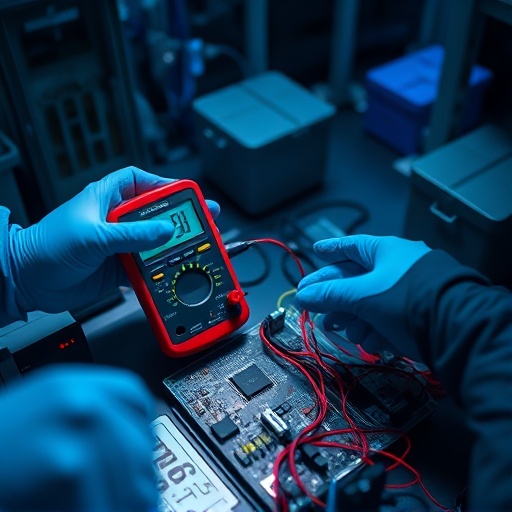
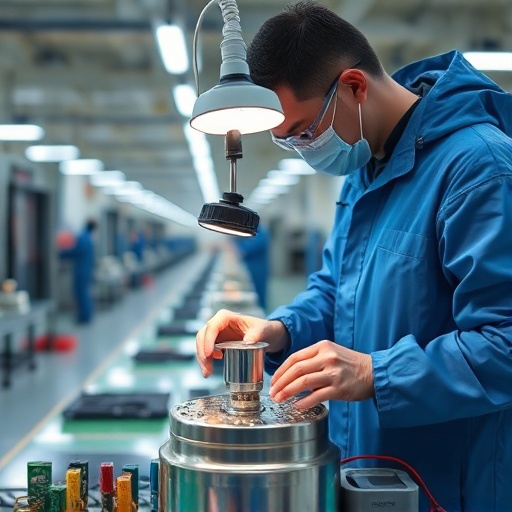
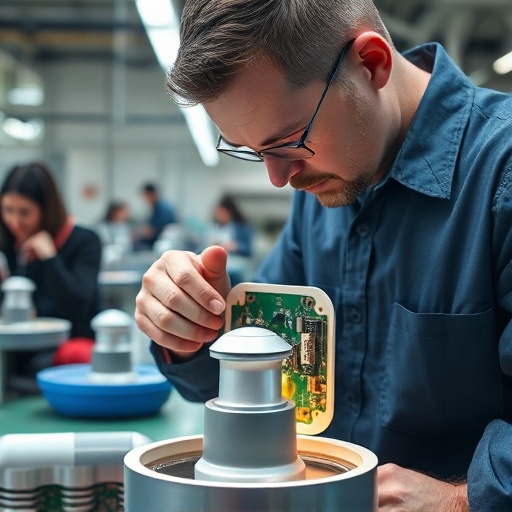
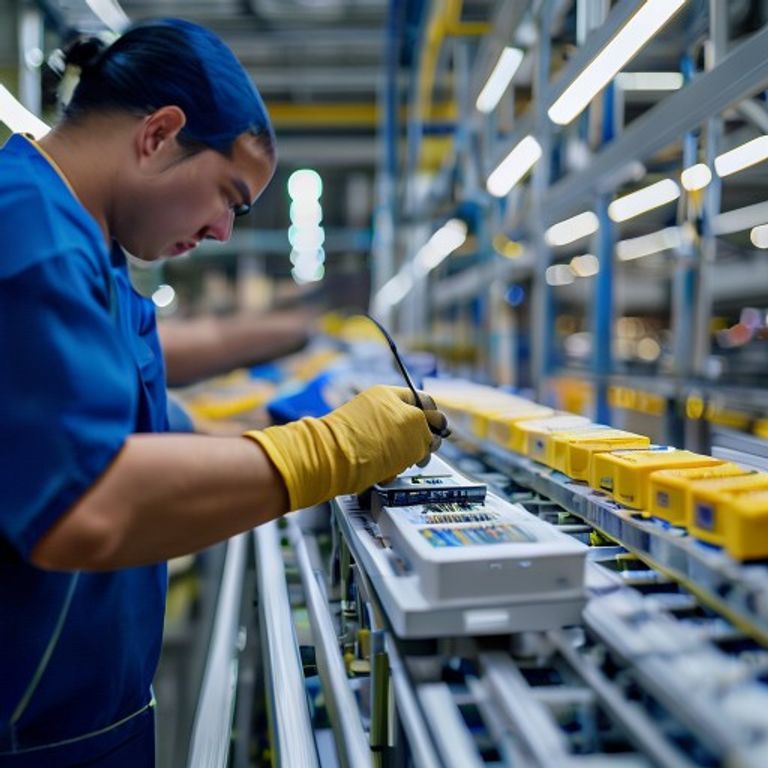
Step onto the production floor of a tier-one manufacturer in Zhejiang or Guangdong, and the environment tells the real story. You do not smell cheap, burnt plastic. Instead, the air carries the faint, clean scent of isopropyl alcohol and hot solder flux. Pneumatic pick-and-place machines click rhythmically, firing tiny ESP32 microchips onto green circuit boards with microscopic precision. In the testing bay, a bank of 200 fully assembled feeders undergoes a continuous 72-hour dry-run cycle. Each unit drops exactly 10 grams of kibble every hour, the sound of plastic pellets hitting stainless steel bowls creating a constant, metallic rain. This is where quality is forged, not in a glossy PDF brochure.
If a factory representative hesitates when you ask for their SMT line capacity, they are likely outsourcing their electronics to a third-party workshop with zero quality control. This is a massive red flag. Let’s break down the technical details you need to demand during your vetting process.
1. Audit the Hardware and Firmware Specs
The most common hardware failure case is a Wi-Fi module failure after 3 months. Cheap chips fail. It is that simple. The cause is almost always a cheap PCB supplier using outdated ESP8266 modules to shave pennies off the bill of materials.
Most sourcing managers focus purely on unit costs, but saving $1.50 on an outdated ESP8266 chip guarantees a 15% return rate when customers’ home mesh networks drop the connection. A reliable partner will use the more robust ESP32 module, which handles dual-band network handshakes with ease. In 2023, ESP8266 modules were common but OTA (Over-The-Air) stability was poor, leading to constant disconnects. Ensure your manufacturer has switched to the ESP32 platform.
Connectivity is only half the battle; the firmware must be resilient. A reliable partner will support automatic meal scheduling stored locally on the device’s flash memory, smart weight tracking, and have a clear protocol for firmware rollback during unexpected app updates. If the Wi-Fi drops, the pet must still get fed.
2. Demand Physical Stress Testing and Strict QC
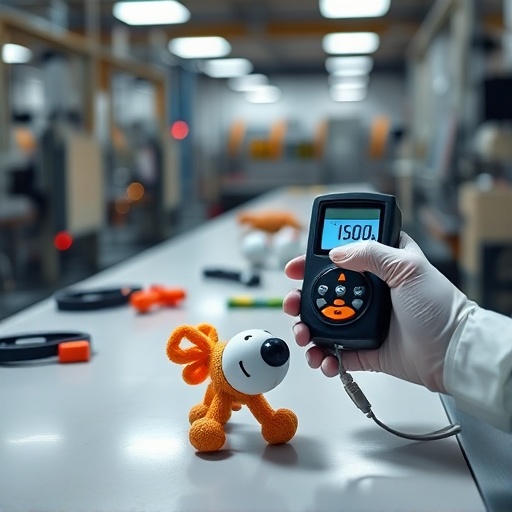
The honest truth is that even ISO-certified factories can have inconsistent QC between production batches. Do not trust video audits or PDF certificates compiled three years ago. You must ask for their factory detail reports and physical stress testing logs.
During drop testing, look at how the lid latch behaves. On cheap models, the lid latch often fails on the third drop, spilling kibble everywhere. A reliable factory will have redesigned this component with a steel pin or reinforced ABS to ensure it survives shipping and pet tampering.
Always demand a strict AQL (Acceptable Quality Limit) sampling workflow of 1.5 or lower for major defects. In my experience, stainless steel bowls are non-negotiable; plastic bowls trap oils, cause feline acne, and destroy your brand’s repeat purchase rate. It is worth the extra cost.
3. Verify Food-Grade Safety and Sensor Tech
Ensure the factory utilizes high-precision infrared sensors to prevent food jams. Cheap feeders use basic mechanical switches that wear out or fail when kibble dust accumulates. Infrared sensors detect blockages before the motor burns out, reversing the impeller automatically to clear the path.
Switching to a supplier that integrates these sensors and offers genuine FDA and CE certifications results in around a 21.2% to 41.4% improvement in consumer return rates. Ask for the chemical migration test reports for the specific batch of ABS plastic used in your production run. If they cannot produce these within 48 hours, they are likely using recycled plastics that do not meet food-grade safety standards.
Personally, I believe Tuya integration is a double-edged sword. It is incredibly fast to deploy and gets your product to market quickly. However, it limits your brand equity if you want to build a proprietary ecosystem later. Ensure your supplier can support both Tuya white-label setups and custom API/SDK development for future-proofing.
Motor torque and gear material are often overlooked during the initial sample evaluation. Cheap factories use loud, grinding plastic gear motors that strip their teeth the moment a larger freeze-dried kibble gets wedged in the impeller. A reliable supplier utilizes high-torque, silent motors paired with metal gears or reinforced nylon. When you visit the factory, listen to the assembly line. A high-quality feeder should emit a soft, low-frequency hum during dispensing, not a high-pitched whine that frightens pets away from their food.
If you want to save yourself the headache of bad reviews, Explore DDPark Smart Pet Product Catalog to see what retail-ready quality looks like. You can also review DDPark 10+ Years Manufacturing Expertise to learn more about our process, or Request a Free OEM Quote from DDPark today.
Partnering with a supplier that treats hardware engineering with the same seriousness as a medical device manufacturer is the only way to scale your pet brand sustainably. Stop chasing the lowest unit price and start sourcing for reliability.
Frequently Asked Questions
Q: How do I verify a pet feeder factory’s quality?
A: Request valid FDA and CE certifications, ask for an AQL sampling plan, and verify if they use modern ESP32 modules instead of outdated chips.
Q: What is the most common failure point in smart pet feeders?
A: Cheap Wi-Fi modules causing offline issues, and fragile plastic lid latches that break during shipping or pet tampering.
Work with DDPark
Partner with DDPark for industry-leading smart pet products manufactured using food-grade BPA-free materials. We offer custom logo and packaging solutions, Matter protocol ready hardware, and anti-jam infrared detection to ensure your brand stands out in the market.
Ready to Start Your OEM Order?
Contact our B2B team today for pricing, MOQ, and custom branding options.