The biggest lie in pet tech sourcing is that you can launch a reliable smart feeder on a ten-dollar Bill of Materials (BOM). If you want to know how much does it cost to make a pet feeder in China, the hard truth is that direct unit costs run from $8 to $18 USD for basic electronic models, and jump to $18 to $45 USD for smart, Wi-Fi-enabled IoT pet feeders. That is before you drop $12,000 to $30,000 USD on injection molding tooling for the plastic chassis. Anyone promising you a retail-ready, smart-app-connected feeder for under ten bucks is likely selling you a high-return-rate nightmare waiting to happen.
Before signing a manufacturing agreement, you need to look past the shiny golden samples. Factories are businesses of razor-thin margins, and if you squeeze them too hard on unit price, they will quietly recoup their margins where you cannot see—until the containers land in your warehouse. Evaluating these projects requires looking at five critical cost drivers that dictate your actual landed cost.
- IoT Connectivity and Modules: The choice of wireless chipset dictates both unit cost and firmware stability. In 2023, cheap ESP8266 modules were common, but their over-the-air (OTA) update failure rates were atrocious. Upgrading to robust chips compatible with the Tuya Smart Ecosystem adds $1.50 to $3.00 per unit but secures connection reliability.
- Drive Motor Reliability: The internal auger motor must handle torque changes as kibble sizes vary. Opting for a cheap motor increases your factory rework ratio during testing.
- Dosing Sensor Accuracy: High-end feeders require an integrated load cell to weigh food portions accurately. Sub-gram accuracy sensors add $2.00 to $4.50 to the BOM.
- Compliance Certifications: Standard electrical safety is not enough. You must budget for FCC (for wireless components) and LFGB (for food-contact plastics) testing. Not all CE certificates are equal—some are self-declared without lab testing.
- AQL Inspection and Quality Control: The MOQ negotiation matters less than whether the factory actually runs QC. Budgeting 3% to 5% of your total production cost for third-party inspections prevents importing defective batches.
The Real Cost of Component Shortcuts
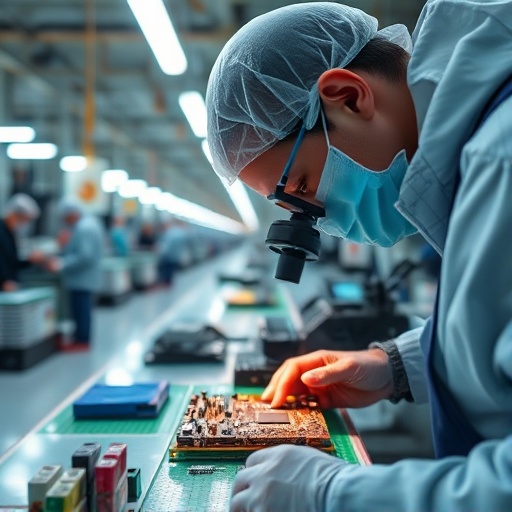
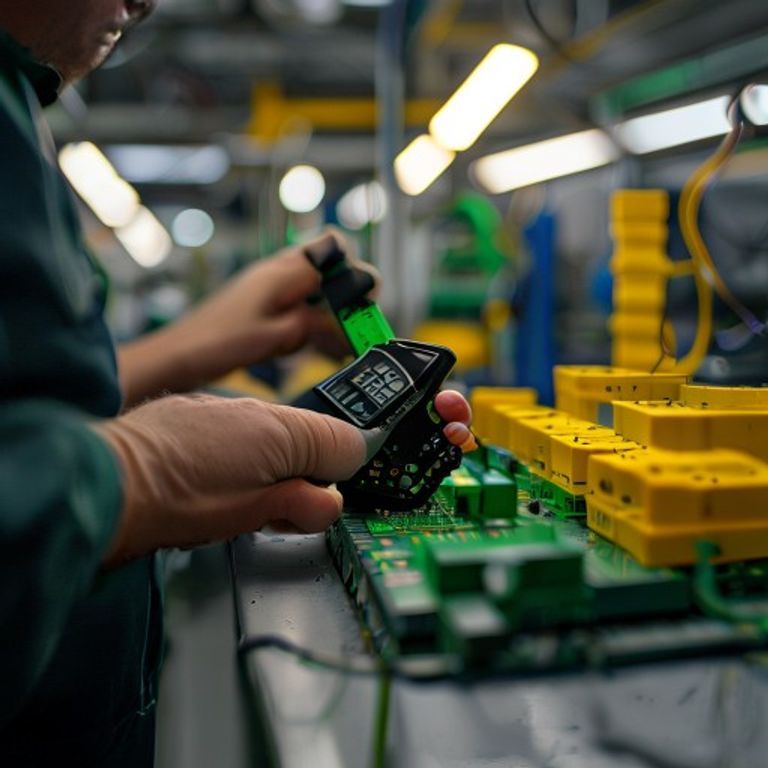
Walk down any assembly line in Bao’an or Dongguan, and you will see where the corners get cut. The sharp, sweet tang of burning rosin flux hits your nose first. Under the white glare of LED strips, raw green circuit boards slide down a worn rubber conveyor belt. If a factory is rushing, workers hand-solder the main power distribution joints instead of running them through a wave soldering machine. This creates cold solder joints—microscopic cracks that look fine during a five-second bench test but snap under the constant vibration of sea freight or a pet bumping the machine. Spending an extra $1.20 per unit on automated optical inspection (AOI) and wave soldering reduces this failure rate significantly.
Plastic resin selection is another silent margin killer. I’ve seen suppliers substitute virgin food-grade ABS with recycled regrind to shave 15% off their raw material costs. Recycled plastic looks identical to the naked eye once it is injected into the mold. However, it lacks structural integrity, degrades quickly under UV light, and can leach harmful chemicals into the pet’s kibble. Insisting on authentic, LFGB-certified ABS or PP resins adds roughly 15% to 25% to the plastic cost, but it guarantees your shipment won’t get seized by customs or trigger a toxic substance lawsuit.
Resolving the Food Jam Failure Mode
The most common customer complaint in the automatic pet feeder category is a failure to dispense. This issue typically traces back to a food jam due to impeller design. When a factory uses a generic impeller with an insufficient anti-clog gap, varied kibble shapes easily wedge themselves between the rotating blades and the housing, burning out the auger motor. In my twelve years of walking these assembly lines, I’ve realized that the cheapest motor is always the most expensive mistake you can make.
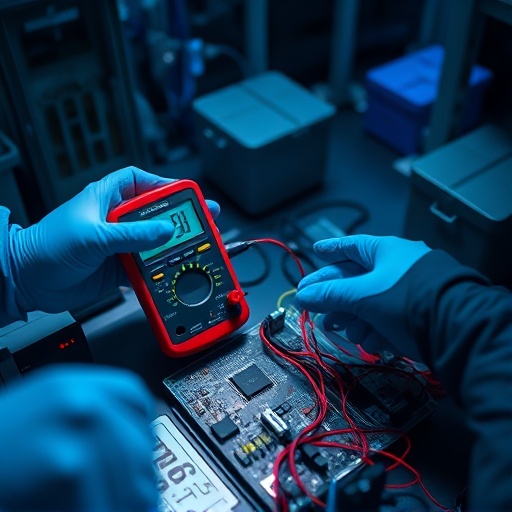
Fixing this requires a redesigned anti-jam infrared detection system. During a recent production run, a QC engineer spent 20 minutes recalibrating the infrared sensor gap on the assembly line to align the emitter and receiver perfectly. This mechanical and firmware optimization yields an approximately 24.7%-39.5% improvement in dispensing reliability across diverse kibble shapes compared to uncalibrated generic models. It is a tedious, manual step that cheap factories skip, but it saves thousands in customer returns.
Firmware Integration and Automatic Meal Scheduling
Building a custom application to manage automatic meal scheduling is expensive, often exceeding $50,000 in software development costs. Most brands lower their entry costs by sourcing hardware designed for the Tuya Smart Ecosystem. This integration provides a ready-made companion app, secure cloud hosting, and stable firmware updates out of the box, reducing your software engineering overhead to near zero. It allows you to focus your budget on hardware refinements and outer aesthetics.
Prior to signing off on a bulk run, request a golden sample to test how the device behaves when Wi-Fi drops. My contrarian insight here: everyone obsesses over app features, but the real test of a feeder is what it does when it is *offline*. Reliable units must retain their scheduled meal times locally on the physical PCB memory, ensuring pets are fed even during internet outages.
Ready to source reliable pet hardware? Explore DDPark Smart Pet Product Catalog to view our compliant designs, or Request a Free OEM Quote from DDPark based on your custom specifications. Learn more about our manufacturing standards by visiting our DDPark 10+ Years Manufacturing Expertise page.
Frequently Asked Questions
Q: What is the main cause of smart pet feeder recalls?
A: The primary causes are unstable Wi-Fi disconnects that disrupt automatic meal scheduling and mechanical jams in the impeller. Ensuring your factory performs rigorous AQL inspection on motor torque and infrared sensor alignment reduces these risks.
Q: How can I verify if a factory’s food-contact certifications are legitimate?
A: Always request the raw test reports from accredited third-party labs (such as SGS, TÜV, or Intertek) rather than accepting a simple sheet certificate. Cross-reference the report number directly on the testing agency’s database to verify its authenticity.
Work with DDPark
DDPark delivers high-performance smart pet feeders engineered for global compliance. Our products feature stable Tuya connectivity, redesigned anti-jam infrared detection, and whisper-quiet dispensing pumps operating under 30dB. With built-in overheat protection and strict AQL inspection standards, we help brands scale without high return rates.
Ready to Start Your OEM Order?
Contact our B2B team today for pricing, MOQ, and custom branding options.