How to Build a Private Label Smart Litter Box Brand from Scratch: The Brutal Truth
Eighty percent of new pet tech brands fail within the first eighteen months. Most founders assume the hardest part is marketing, but the reality is colder: they get crushed by their own supply chain. If you want to know how to build a private label smart litter box brand from scratch, you first need to accept that you aren’t just selling a convenience item—you are selling a piece of mission-critical home infrastructure.
If the product fails, the customer doesn’t just return it; they leave a scathing review that kills your Amazon ranking overnight. I have spent 12 years walking the production lines of the Pearl River Delta, and I have seen the same mistakes repeat like clockwork. You don’t need a massive marketing budget to start; you need a manufacturing partner who treats your brand with the same rigor they apply to their own.
The “Don’t-Go-Broke” Checklist for Brand Founders
Before you commit to a mold, put your potential factory through a stress test. If they hesitate on these technical points, walk away.
1. Firmware Autonomy: Can you perform a remote firmware rollback? If their OTA (Over-the-Air) system fails, you are looking at a living room full of plastic bricks.
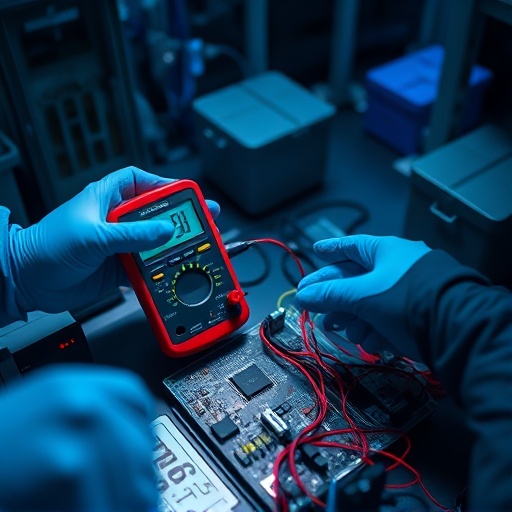
2. Environmental Hardening: Do they conduct aging tests in high-humidity chambers? Cheap Tuya modules oxidize and fail in the ammonia-rich air of a cat’s litter area within months.
3. Motor Torque Calibration: Does the motor use high-grade copper winding? I’ve seen motors overheat and seize during continuous cycles because the factory cut costs on internal wiring.
4. Sensor Redundancy: Are they using high-precision infrared arrays, or are they relying on cheap mechanical switches that get clogged with dust?
5. App Logic: Is the app a generic re-skin, or do you own the data architecture? You want a partner like DDPark that understands the importance of custom UI/UX.
The Reality of Smart Pet Tech Manufacturing
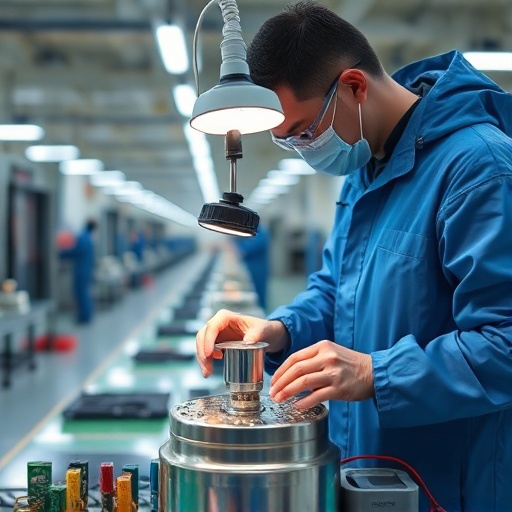
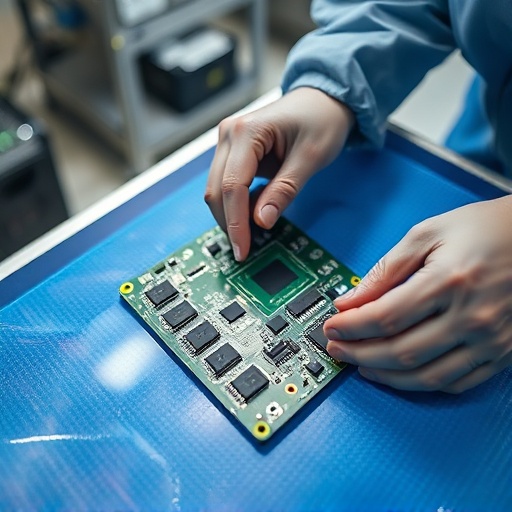
Stepping onto a production floor in Guangdong is a sensory overload. You smell the sharp tang of ozone from the soldering stations and hear the rhythmic, hypnotic click-clack of injection molding machines. It is a world of extreme efficiency, but it is also a place where “good enough” is the enemy of your profit margins.
Many distributors get blinded by the speed of production. They see a prototype that works perfectly on the showroom floor and assume the mass-produced units will be identical. They aren’t. Without rigorous, per-unit aging tests, you are playing Russian roulette with your return rate. I personally believe that the “smart” in smart litter box is a liability if the hardware underneath isn’t over-engineered to handle the unpredictable nature of cat behavior.
The Failure Case: A Lesson in Copper
I once watched a client try to shave $3 off their unit cost by switching to a lower-grade motor. On paper, the specs looked identical. In the field, the motor couldn’t handle the load of clumping litter, leading to gear stripping after 40 cycles. The cost of those warranty claims was ten times the original savings. You cannot “fix” a bad motor once it is sitting in a customer’s home. This is why we prioritize zero-defect manufacturing—you build for the worst-case scenario, not the best.
Understanding the Market Opportunity
The global smart pet care market is projected to grow at over 15% CAGR through 2028. Why? Because pet parents are moving away from manual maintenance. However, the market is becoming saturated with “disposable” smart boxes. The real opportunity lies in the premium segment. Customers are desperate for reliability, health tracking, and genuine app-based peace of mind. If your box doesn’t alert them to a jam before they find a mess on their floor, your brand won’t survive the first quarter.
Explore DDPark’s professional-grade lineup to see how we bridge the gap between high-end performance and manufacturing efficiency.
Choosing the Right Factory
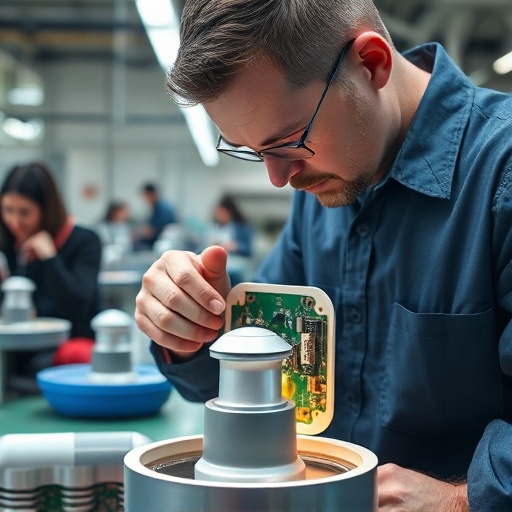
DDPark has operated in the heart of this industry for over a decade. We have learned that scaling from a few units to thousands requires more than just machinery; it requires a culture of inspection. Most factories spot-check one in every fifty units. We implement a multi-stage quality gate system. If a unit fails our anti-jam stress test, it doesn’t move to packaging. Period.
The Hardware that Matters
Stop obsessing over the color of the plastic. Start obsessing over the internals.
* Load Cells: High-precision weighing is non-negotiable for monitoring cat health.
* Anti-Jam Detection: This is the single biggest driver of customer satisfaction.
* Materials: I am a firm believer that stainless steel components are the future. They resist odors and are significantly easier to sanitize than cheap, porous plastics.
Comparison Table: The Manufacturing Landscape
| Feature | Standard OEM | DDPark Premium OEM |
| :— | :— | :— |
| Firmware | Generic/Unstable | Custom/Stable (OTA ready) |
| Material | Standard Plastic | BPA-free/Stainless Steel |
| Testing | Visual Only | 48hr Aging/Stress Test |
| App | Re-skinned Generic | Fully Custom/Brand Aligned |
| Support | Limited | Full Technical/FBA Prep |
Checklist for Supermarket Importer Buyers
If you are moving volume, consistency is your only currency.
1. **Certifications:** Demand proof of BSCI and CE compliance.
2. **Firmware Ownership:** Ensure you aren’t locked into a factory’s global Tuya account.
3. **Packaging:** Is it FBA-ready? We pre-package units to save you days of labor at the warehouse.
4. **Maintenance:** Is there a clear path for firmware rollbacks?
5. **Quality Control:** Ask for third-party inspection reports for every batch.
Request a Free OEM Quote from DDPark and see how our flexible MOQs can help you launch your brand safely without the usual startup headaches.
The DDPark Advantage
We’ve helped countless startups navigate the transition from a concept on a napkin to a product on a shelf. Our 100+ employees in Guangdong are focused on one objective: protecting your brand’s reputation. We handle the technical heavy lifting—from custom logo placement to app UI design—so you can focus on building the community that will drive your sales.
Frequently Asked Questions
Q: What is the most common cause of failure for smart litter box brands?
A: Most brands fail due to firmware instability and sensor malfunctions. Cheap components that cannot withstand the humid, ammonia-rich environment of a litter box lead to high return rates and brand erosion.
Q: How important is the choice of microcontroller for my litter box?
A: It is critical. Using outdated modules leads to poor OTA (Over-the-Air) update stability. We recommend ESP32-based architectures for better connectivity and reliable firmware management.
Q: Do I need a high MOQ to start my own brand?
A: Not necessarily. While traditional factories demand massive orders, modern manufacturers like DDPark offer flexible MOQs, allowing startups and distributors to test the market without excessive capital risk.
Q: What certifications should I look for in a manufacturer?
A: Ensure your partner holds BSCI and CE certifications. These indicate that the factory meets international labor standards and product safety requirements necessary for selling in the EU and US.
Q: How can I differentiate my brand in a saturated market?
A: Focus on app customization and hardware quality—like stainless steel components and anti-jam infrared sensors—rather than just price. Value-added features drive customer loyalty.
Work with DDPark
Ready to build a brand that doesn’t fail? We specialize in low-noise motor systems, custom logo and packaging, aging test before shipment, and anti-jam infrared detection.
Ready to Start Your OEM Order?
Contact our B2B team today for pricing, MOQ, and custom branding options.