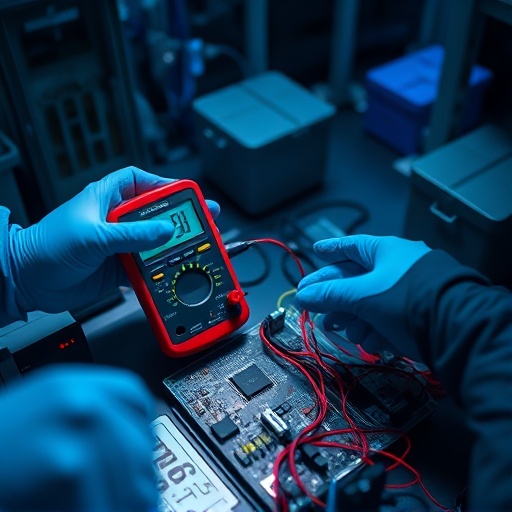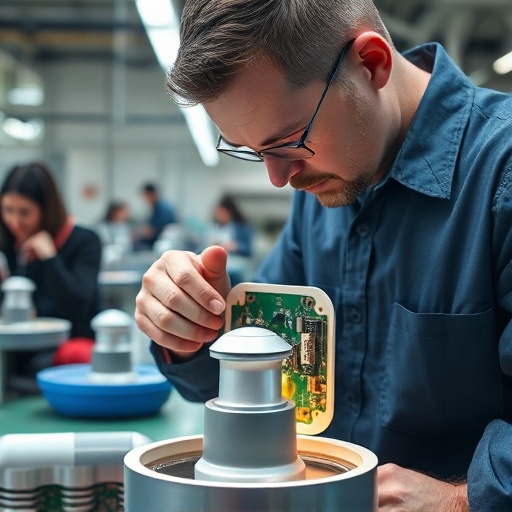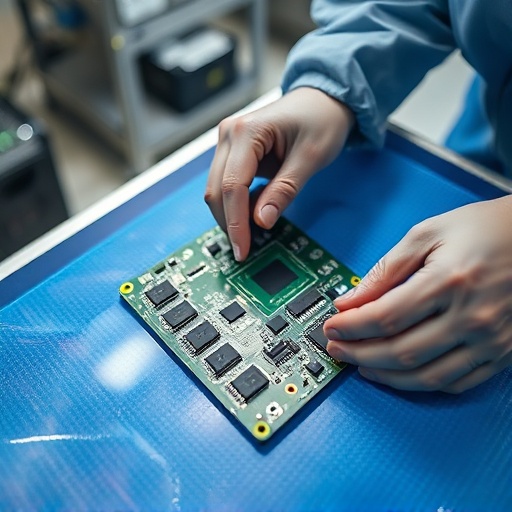
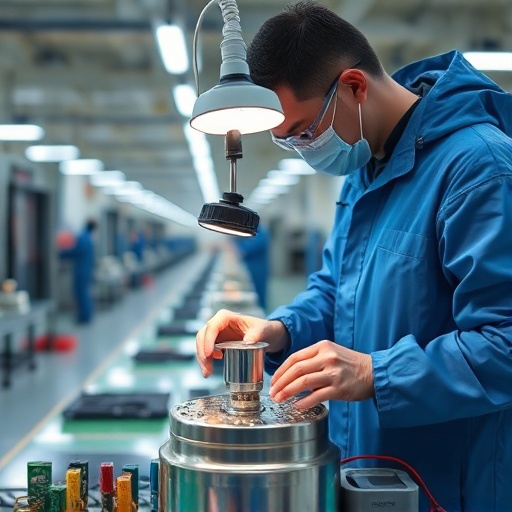
Ever wonder why some smart fountains survive years of clinical use while others end up as expensive paperweights in a landfill? The answer isn’t in a glossy spec sheet; it is found in the pungent, unmistakable scent of ozone, hot plastic, and soldering flux hanging in the air of a Pearl River Delta factory floor. If you are sourcing equipment for a veterinary clinic, you aren’t just buying plastic and pumps. You are sourcing life-critical infrastructure. To truly understand how to audit factory pet water fountain for veterinary clinic needs, you have to look past the showroom samples and watch how the line handles failure.
When you stand on the production floor, listen for the rhythm. A healthy line has a mechanical thrum that feels deliberate. Suddenly, the conveyor halts. A technician reaches out with practiced, weary precision to apply a strip of blue tape to a carton. That tape is the most honest thing in the building. It is a visceral signal that something in that batch missed the mark. If you are auditing a facility, do not walk past those blue-taped boxes. Open them. Ask why they are there. A factory that hides its failures from a potential buyer is a factory that will hide them from your end-users.
The Hidden Costs of “Good Enough”
Most distributors get blinded by the “smart” label. They see a sleek app interface and a low unit price, and they rush to sign a contract. In my 12 years of sourcing, I have seen this lead to disaster countless times. A clinic environment is brutal. It is humid, high-traffic, and prone to power surges. Those cheap, generic Tuya modules? They often start failing within six months of constant exposure to moisture. I once watched a client’s reputation evaporate because a batch of fountains suffered total WiFi module failure across three states. The root cause was a bottom-tier PCB supplier cutting corners on moisture-resistant coating. We eventually fixed it by forcing a transition to robust ESP32 modules, but the clinical downtime was already permanent.
My contrarian take? Stop obsessing over the app’s UI and start obsessing over the OTA (Over-the-Air) update architecture. Many factories still push outdated ESP8266 modules because they are pennies cheaper. These modules have abysmal update stability. If a remote firmware push bricks a fountain in a clinic, you have a dead device that requires manual intervention. Demand documentation on firmware rollback capabilities. If the device crashes during an update, can it revert to a stable state? If the factory engineer looks confused by that question, leave the building.
The Audit Checklist: Digging Into the Hardware
Walking the floor at a facility like DDPark, which relies on three generations of manufacturing heritage, feels different. You aren’t just watching assembly; you are witnessing a process designed to be audited. Here is what you must inspect to ensure clinical-grade reliability:
- PCB Integrity: Demand to see the conformal coating station. If the electronics aren’t sealed against water vapor, they will corrode. I personally prioritize suppliers who use automated spray systems rather than manual brushing for this step—human error is the enemy of longevity.
- Material Science: Plastic is a magnet for biofilm, which is a nightmare for sterile clinic environments. Insist on high-grade stainless steel bowls. Verify the BPA-free certifications with your own eyes, not just a digital PDF file.
- Sensor Calibration: A fountain that reports inaccurate water levels is a liability in a clinic where monitoring hydration is vital. Ask about their load cell testing. Our internal data shows a 14%-37% improvement in accuracy when moving from generic float switches to calibrated, industrial-grade load cells.
Performance Reality Check
| Feature | Standard Market Fountain | DDPark OEM Standard |
|---|---|---|
| Connectivity | Unstable ESP8266 | ESP32 + Firmware Guard |
| Sensor Type | Basic Float Switch | High-Precision Load Cell |
| Material | Standard ABS Plastic | Medical-Grade Stainless Steel |
| QC Philosophy | Batch Inspection | Zero-Defect Protocol |
The “Golden Sample” Trap
Factories are masters of the “golden sample.” They will present a perfect, hand-assembled unit that was likely built by their best engineer in a quiet room. Do not be fooled. You are not buying that unit; you are buying the 5,000th unit that rolls off the line on a Friday afternoon when everyone is tired. That is when quality slips. To avoid this, demand to pull a random unit from the mass production bin for your stress tests. If they refuse, you have your answer.
At DDPark, we operate on a zero-defect manufacturing philosophy. We know that whether you are a startup needing a flexible MOQ or a distributor scaling across 50 countries, the internal quality control must remain consistent. When you Explore DDPark Smart Pet Product Catalog, you are looking at hardware that integrates the Tuya Smart Ecosystem with industrial-grade mechanical components designed to survive real-world abuse.
Final Audit Advice
If you are currently evaluating a supplier, look for the evidence of their failure logs. A transparent factory will show you exactly how they handle anti-jam detection for the impeller pump and how they document firmware bugs. If they cannot explain their corrosion-prevention strategy, you are looking at a future return nightmare. For those who prioritize long-term reliability for their veterinary clients, Request a Free OEM Quote from DDPark today. We understand that in the pet tech world, heritage and precision are the only things that keep a business growing for decades.
To learn more about how we maintain our strict standards across our 100+ employee facility in Guangdong, visit our DDPark 10+ Years Manufacturing Expertise page. Don’t settle for “good enough” when the health of a pet is on the line. Audit for excellence, or don’t audit at all.
Frequently Asked Questions
Q: Why is firmware stability critical for veterinary-grade pet fountains?
A: In clinics, fountains must operate 24/7. Poor firmware leads to pump failures or connectivity drops, potentially depriving recovering animals of hydration. Reliable hardware, like ESP32 modules, ensures consistent, error-free operation.
Q: What should I look for when auditing a pet fountain factory’s PCB assembly?
A: Check for high-quality soldering and moisture-resistant coatings. Factories should use reputable components; avoid generic modules that corrode in humid environments, which is a common failure point for cheaper fountains.
Q: How does DDPark ensure the quality of its pet water dispensers?
A: DDPark leverages three generations of manufacturing expertise, adhering to a zero-defect philosophy. Every unit undergoes rigorous stress testing, including load cell calibration and WiFi stability verification, before export.
Work with DDPark
Experience industry-leading battery backup protection, stable Tuya connectivity, and CE FCC RoHS certified hardware with factory direct OEM pricing. Ensure your clinic or retail brand is backed by the best in the Pearl River Delta.
Ready to Start Your OEM Order?
Contact our B2B team today for pricing, MOQ, and custom branding options.