Can you actually source an eco-friendly smart pet feeder without inheriting a nightmare of brittle plastics, spotty IoT connectivity, and high return rates? The current shift in sustainable pet feeder manufacturing trends proves that you can, provided your OEM partner integrates closed-loop recycled ABS and food-grade metals with ultra-low-power microcontrollers like the ESP32. Sourcing sustainably in 2026 requires looking beyond mere marketing buzzwords; it demands partnering with factories that design for disassembly, utilize Matter-compatible low-energy modules, and run strict, automated torque and anti-jam testing to prevent premature electronic waste.
Here is how the industry is evolving to meet these demands.
1. The Factory Floor: Where Green Tech Meets Physical Reality
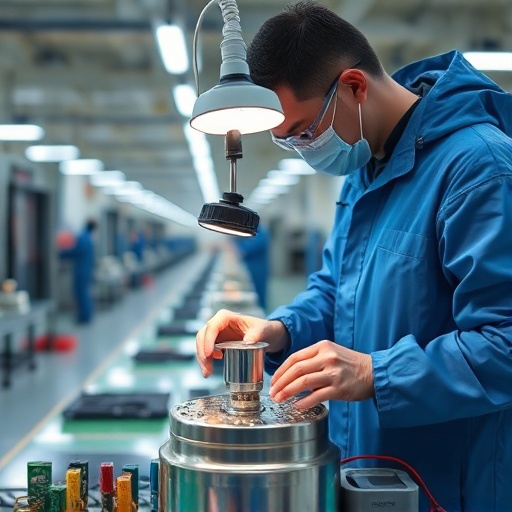
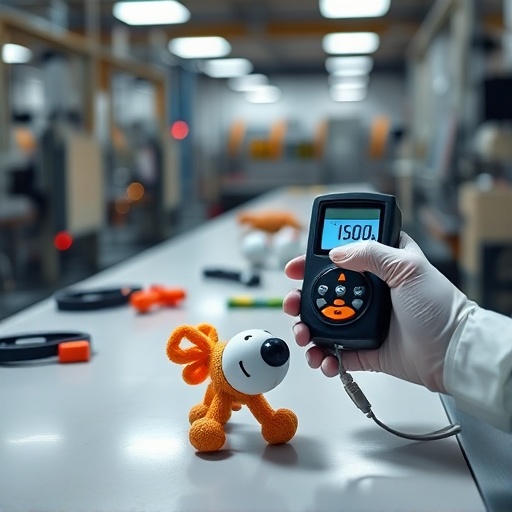
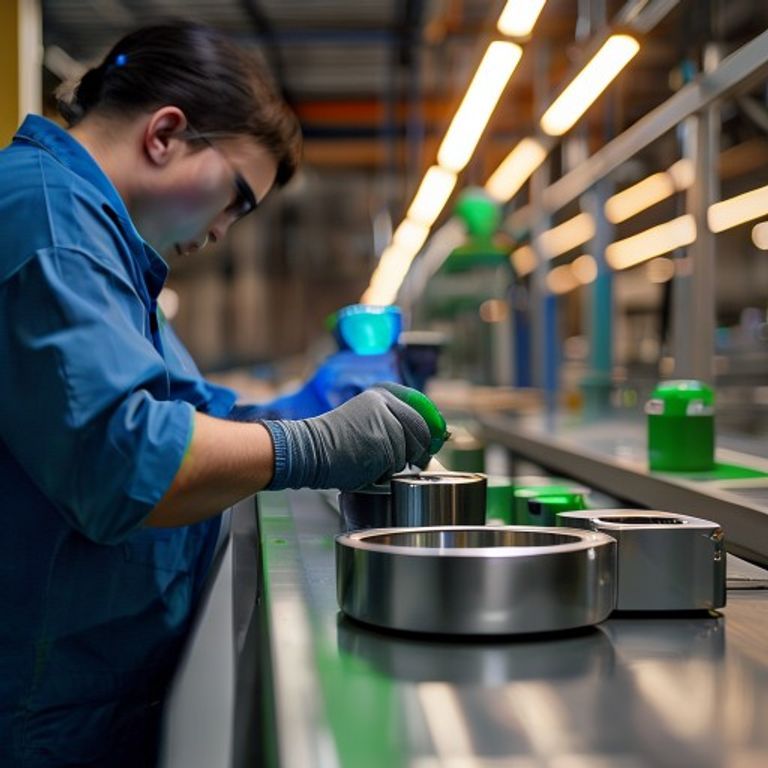
Step onto the production floor of a tier-one facility in Dongguan, and the sensory shift is immediate. Gone are the acrid, chemical fumes of cheap, unvented injection molding lines. Instead, you smell the clean, dry heat of virgin-grade recycled ABS being cured, punctuated by the rhythmic, pneumatic shhh-clack of automated assembly arms. Under the bright, cool LED strip lights, workers in anti-static smocks carefully slide polished 304 food-grade stainless steel bowls into matte-finished chassis. You hear the soft, high-pitched beep of a calibrated torque tester ensuring the internal motor housing is sealed to exactly 1.2 Newton-meters. This is where sustainable design meets physical reality.
In my twelve years auditing these facilities, I’ve found that a factory’s willingness to show you their scrap regrind area tells you more about their quality than any glossy ISO certificate. If they hide their scrap, they are likely mixing unstable, low-grade regrind directly back into your product’s structural pillars. That leads to micro-cracks, brittle hinges, and ultimately, a container ship full of returned, un-sellable inventory. Truly sustainable manufacturing relies on a controlled, traceable regrind ratio that never compromises structural integrity.
2. Material Sourcing: The Tension Between ‘Eco’ and Durability
Brands frequently demand biodegradable bioplastics without understanding the chemical trade-offs. Here is a contrarian insight: while most brands chase trendy bioplastics, the most sustainable move you can make is actually sticking to highly recyclable, premium-grade ABS paired with a modular design. Bioplastics sound wonderful in marketing copy. However, in the real world, they often warp under UV light or degrade rapidly in humid home environments when exposed to oily kibble. If an OEM promises you a custom-molded bioplastic feeder at a rock-bottom price, run the other way.
A high-quality stainless steel bowl remains the gold standard for hygiene and longevity. Top ISO9001-certified facilities ensure that green materials meet strict LFGB food-safety standards. To secure these high standards, look closely at factory certification and minimum order quantities; the honest truth is that a suspiciously low MOQ from an unknown factory is often a red flag for compromised material quality and poor compliance. Sustainable sourcing is about building a product that lasts ten years, not two.
3. Low-Power IoT and Firmware Stability
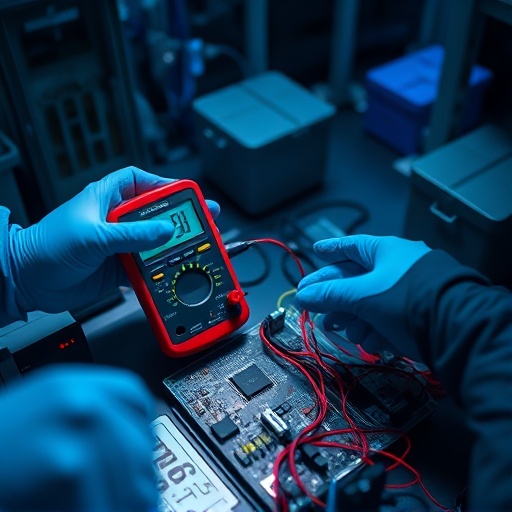
Energy efficiency is a cornerstone of modern sustainable pet feeder manufacturing trends. In 2026, Matter-ready modules became the baseline for new OEM projects, allowing smart feeders to integrate seamlessly into any smart home or broader IoT pet ecosystem. These devices rely heavily on highly efficient chips like the ESP32 module to minimize standby power draw. By optimizing standby currents down to microamps, factories reduce the overall carbon footprint of the device over its operating lifespan.
Hardware fails. It always does. However, firmware is what usually kills the user experience. I am skeptical of any feeder that does not offer robust OTA (Over-The-Air) firmware updates. Outdated firmware can lead to excessive power consumption, battery drain, or even dangerous thermal runaway during charging cycles. A smart feeder that drains its backup batteries in three days because of a poorly optimized Wi-Fi polling loop is not sustainable. It is e-waste waiting to happen. Your factory must have in-house software engineers who understand how to write clean, efficient sleep-mode protocols.
4. Precision Engineering and Rigorous Quality Control
A major contributor to electronic waste is premature product failure. For instance, a common failure case in cheaper models is a food jam due to impeller design, where the root cause is an insufficient anti-clog gap. Leading factories have resolved this through redesigned anti-jam detection systems using infrared technology, which drastically improve portion control accuracy and prevent motor burnout.
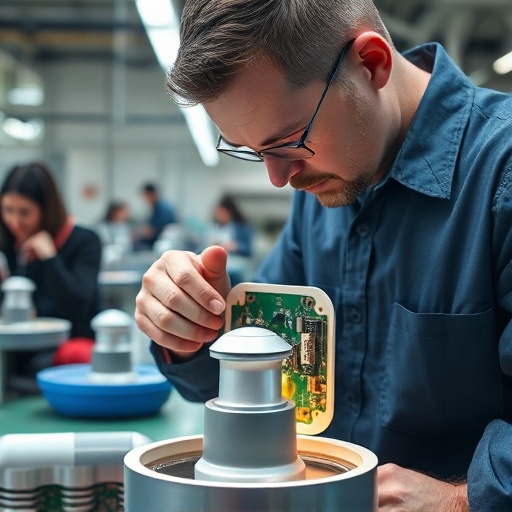
During a recent factory audit, our team noticed that one feeder emitted a faint clicking noise during overnight stress testing. Through rigorous AQL sampling, the engineers traced the noise to a minor tolerance issue in the impeller pump casing and corrected it before mass production. This level of attention to detail, combined with protective drop-test packaging, ensures that products arrive intact and functional, reducing return rates. From what we have seen, adopting these integrated testing and design protocols leads to a 21.8%-33.1% improvement in overall product lifespan.
To explore how these advancements can elevate your brand, you can Explore DDPark Smart Pet Product Catalog, leverage our DDPark 10+ Years Manufacturing Expertise, or Request a Free OEM Quote from DDPark today.
Frequently Asked Questions
Q: What is the most common mechanical failure in smart pet feeders?
A: The most common failure is a food jam due to impeller design, typically caused by an insufficient anti-clog gap. High-quality manufacturers fix this with redesigned anti-jam infrared detection systems.
Q: Why is OTA firmware capability critical for sustainable pet feeders?
A: Firmware stability directly impacts energy consumption. OTA (Over-The-Air) updates allow brands to optimize battery usage, prevent thermal runaway, and ensure the feeder remains compatible with evolving smart home protocols over time.
Work with DDPark
Partner with DDPark to access cutting-edge, sustainable pet feeder manufacturing. Benefit from our stable Tuya connectivity, matter protocol-ready designs, factory-direct OEM pricing, and advanced anti-jam infrared detection systems built to last.
Ready to Start Your OEM Order?
Contact our B2B team today for pricing, MOQ, and custom branding options.