Did you know that over 40% of low-cost automatic pet feeders returned to Amazon are flagged not for software bugs, but because a single $0.15 plastic gear stripped its teeth during a normal kibble jam? Sourcing pet electronics from low-cost suppliers is a high-risk venture. Many brands and distributors learn this lesson too late, losing thousands of dollars in returned inventory, negative customer reviews, and damaged brand equity. When sourcing, understanding the common quality issues in cheap pet feeders is the difference between a profitable product line and a logistical nightmare.
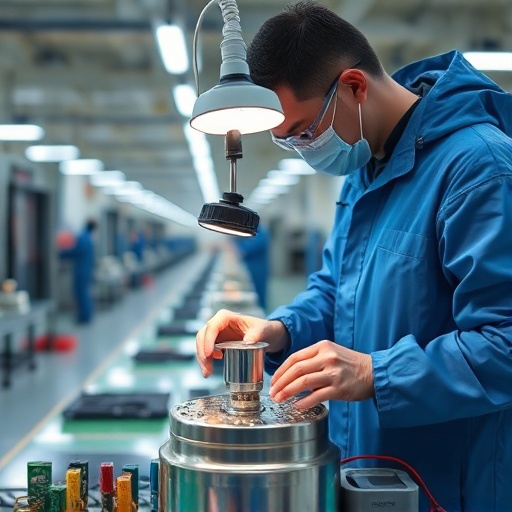
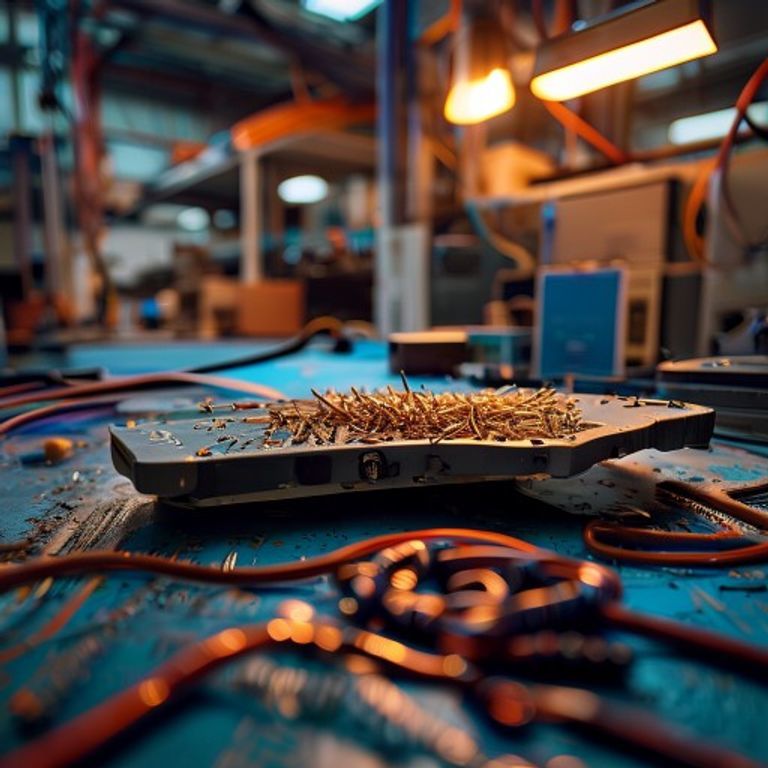
Walk onto the assembly line of a budget manufacturer and you will immediately see why these failures happen. The air smells of cheap, melting plastic and overheated solder. You hear the high-pitched whine of pneumatic screwdrivers set to the wrong torque settings, cracking delicate plastic boss mounts before the product even leaves the building. It is a world away from a high-quality, ISO-certified facility. Don’t trust a factory video showing a clean room unless you’ve physically walked the floor yourself and inspected the components firsthand.
To save your brand from disastrous product recalls, you need to know exactly what to look for before signing a purchase order. Evaluate your prospective factory against this five-point diagnostic checklist:
- Motor Subsystem Integrity: Check if the motor contains pure copper winding and features built-in thermal protection to prevent overheating during food jams.
- Housing and Latch Resilience: Verify the mechanical strength of the lid and hopper latches; cheap plastics will crack under minimal pressure or pet manipulation.
- Wireless Module Grade: Ensure the firmware and Wi-Fi chips are industrial-grade rather than cheap, unbranded consumer modules prone to dropouts.
- Sensor Calibrations: Test the consistency of infrared and weight sensors under varying ambient light and temperature conditions.
- Power Delivery Fail-safes: Confirm the presence of dual power supply auto-switching (battery backup) and overcurrent protection circuits.
Table of Contents
1. Mechanical and Structural Weaknesses in Cheap Feeders
Let’s look at the mechanical core of an automatic pet feeder. This is what determines its operational lifespan. Cheap manufacturers frequently cut corners on the motor assembly and the gear train, which are highly susceptible to mechanical wear. In my 12 years of sourcing pet tech, I firmly believe that the motor gearbox is the absolute soul of the feeder. If the gears strip, the machine is dead.
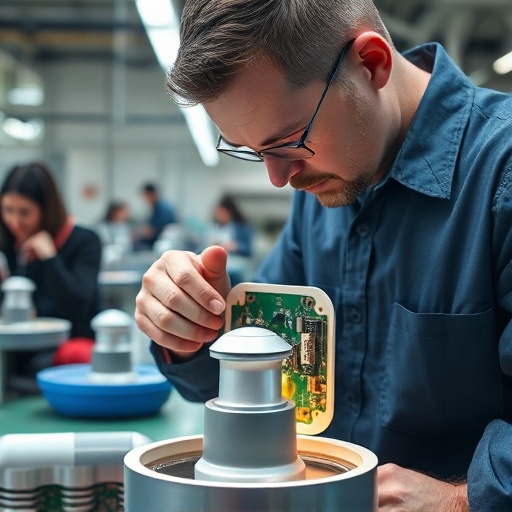
Inside the noisy assembly lines of low-cost factories, workers often press-fit cheap POM (polyoxymethylene) gears onto motor shafts without checking tolerances. A classic failure case involves motor overheating during continuous use. The root cause is almost always the use of low-quality copper winding (or copper-clad aluminum) in the motor stator, which increases electrical resistance and heat generation. Under constant load or during a minor kibble jam, this leads to rapid thermal degradation. The engineering fix requires a complete thermal protection redesign, integrating a thermal fuse or thermistor that cuts power to the motor before it reaches critical temperatures.
We must also talk about the housing. Structural plastics in budget feeders are highly brittle. During drop testing at one factory, the lid latch failed on the third drop; it had to be redesigned with a steel pin to withstand the forces of shipping and persistent pets. If your supplier uses cheap ABS or recycled plastics without reinforcing structural stress points, the feeder housing will fail during transit or standard home use. It is a painful sight to watch a whole pallet of inventory arrive with cracked hoppers.
If you are sourcing advanced liquid-dispensing models, ensure the internal mechanics are thoroughly vetted. For wet food or liquid dispensers, the failure of the impeller pump is another common issue. Without a high-torque, sealed motor, the impeller pump easily clogs, leading to stagnant liquid and motor burnout. To see how professional-grade mechanical designs are executed, you can Explore DDPark Smart Pet Product Catalog.
2. Electronic Components and Connectivity Failures
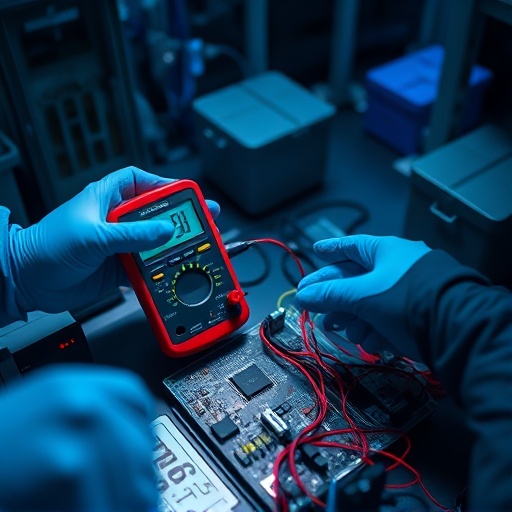
Moving past the gears, the brain of the feeder presents its own set of headaches. Smart pet feeders rely heavily on stable wireless connections to execute automatic meal scheduling. However, cheap wireless modules are notorious for failing under real-world conditions. The honest truth is that cheap Tuya modules still fail in humid warehouse environments after 6 months of storage or usage. These low-cost modules suffer from poor solder joints and weak RF shielding, leading to high failure rates in environments with fluctuating humidity and temperature. I’ve seen workers use hot glue to secure loose Wi-Fi antennas because the plastic snap-fit mold was off by half a millimeter. It is a cheap fix that fails quickly.
The industry actually made progress in addressing this issue. In 2024, ESP32 adoption started, reducing Wi-Fi dropout complaints significantly. By transitioning to ESP32-microcontrollers with integrated Wi-Fi and Bluetooth, factories achieved around 16.1% to 38.8% improvement in connection stability and pairing success rates. If your supplier is still using outdated, unbranded 2.4GHz Wi-Fi modules to save a fraction of a dollar, your customer service team will be overwhelmed with connection-related return requests.
| Component | Cheap Feeder Standard | Professional Grade Standard |
|---|---|---|
| Wi-Fi Module | Legacy, unbranded 2.4GHz modules | ESP32 or certified dual-band modules |
| Power Circuit | Single-channel, no surge protection | Dual-channel (USB + Battery Backup), overcurrent protection |
| Certifications | None or self-declared | Verified CE, FCC, RoHS, and UL-certified adapters |
Additionally, check the electrical certifications. Cheap manufacturers often fake these compliance marks, leaving importers liable for electrical safety issues, including battery thermal runaway in models with integrated lithium backups. To secure your supply chain against these electronic vulnerabilities, you should Request a Free OEM Quote from DDPark.
3. Portion Control, Smart Weight Tracking, and Sensor Inaccuracy
My contrarian insight here is that most brands worry about the companion app crashing, but the real silent killer is actually the unsealed infrared sensor getting blinded by kibble dust. A bad app gets bad reviews; a blind sensor starves a dog and invites a lawsuit. For pet owners managing a pet’s medical diet, portion control accuracy is non-negotiable. Cheap feeders use low-grade microswitches or optical encoders that miscount rotor rotations, leading to highly inconsistent portion sizes.
High-precision infrared sensors are required to detect when the food outlet is blocked or when the hopper is empty. Cheap infrared diodes degrade quickly, especially when exposed to fine kibble dust. Once dust coats the unsealed sensor window, the feeder either stops dispensing entirely or continues to dispense food despite a blocked chute, leading to massive, messy spills. To achieve high-accuracy portion control, a feeder must integrate smart weight tracking using a calibrated load cell. A load cell measures the exact weight of the food in the bowl, providing real-time feedback to the control board. In cheap feeders, these load cells are either absent or uncompensated for temperature drift, resulting in inaccurate readings as room temperatures change.
Kennel operators need feeders that run 24/7. Reliability matters more than flashy features. If a sensor fails in a commercial environment, the consequences extend beyond a single missed meal; it can lead to animal health crises and operational downtime. High-precision, dust-sealed sensors are mandatory for any feeder intended for continuous, professional use. Do not cut corners here.
4. Sourcing Safeguards: Why Factory QC Trumps MOQ Negotiations
When negotiating with overseas suppliers, the MOQ negotiation matters far less than whether the factory actually runs real-time QC on the line. A low price per unit means nothing if 20% of your shipment arrives Dead On Arrival (DOA) or fails within the first 90 days of consumer use. I have seen brands negotiated down to a rock-bottom price, only to be wiped out by a 25% return rate that ate all their margins.
Before signing that purchase order, require your supplier to run a pilot run of 50 to 100 units. This allows you to evaluate their assembly line consistency, trace component sourcing, and test the drop-test packaging. A proper factory drop test ensures that the packaging design protects the fragile internal load cells and plastic gears from high-impact shocks during international transit. If the factory refuses a pilot run, walk away immediately.
Partnering with a manufacturer like DDPark 10+ Years Manufacturing Expertise guarantees that your products undergo rigorous validation protocols, avoiding the common quality issues in cheap pet feeders that destroy retail margins. Relying on companies with deep engineering roots ensures that common design flaws are caught in the prototyping phase rather than the retail market.
If you are planning to launch or upgrade an automatic pet feeder line, do not compromise on the internal bill of materials. To discuss your specifications and obtain a reliable, factory-vetted design, reach out directly to the engineering team and Request a Free OEM Quote from DDPark today.
Ready to Start Your OEM Order?
Contact our B2B team today for pricing, MOQ, and custom branding options.
Frequently Asked Questions
Q: What are the main indicators of a low-quality motor in a pet feeder?
A: High noise levels, excessive heat production during operation, and frequent food jamming are clear indicators of a low-quality motor. These motors typically lack thermal protection and use cheap aluminum windings instead of pure copper, leading to premature burnout.
Q: How does dust affect the sensors of cheap pet feeders?
A: Kibble dust easily enters unsealed sensor housings in cheap feeders. This dust blocks the high-precision infrared sensors, causing false empty warnings or failing to detect food blockages, which ultimately disrupts automatic meal scheduling.
Q: Why is dual power supply auto-switching critical?
A: If a feeder relies solely on a USB wall adapter without a reliable battery backup, a power outage will wipe out the automatic meal scheduling and leave pets without food. Cheap feeders often have faulty switching circuits that fail to transition to battery power seamlessly.