
ARTICLE_START
Let’s be completely honest: most of what you read online about the china pet supply chain guide for importers is absolute garbage written by dropshipping gurus or superficial sourcing agencies that have never stepped foot on a factory floor in Zhejiang or Guangdong. They make it sound as simple as clicking a few buttons on Alibaba, importing a container of cheap plastic bowls, and watching the profits roll in.
But if you are a professional distributor, a scaling Amazon seller, a startup founder, or a commercial kennel operator, you know the reality is far more punishing. You have likely dealt with delayed shipments that missed critical Q4 sales windows, component substitutions that turned a once-reliable smart feeder into a fire hazard, or “factory direct” partners who turned out to be three-person trading companies operating out of a residential apartment in Shenzhen.
The pet product market is undergoing a massive shift. In 2025, many OEMs moved to dual-core ESP32 with better power management to support advanced IoT features, and the expectation for build quality has skyrocketed. If your smart pet feeder fails because of a cheap motor, or if your water fountain pump breaks down after three weeks of continuous use, you won’t just get a return—you will get a 1-star review that permanently damages your brand’s digital footprint.
This comprehensive guide is designed to cut through the noise. We will analyze the hard data of the Chinese pet supply chain, map out the geographic clusters of manufacturing, break down the engineering realities of high-quality hardware, and provide you with a bulletproof blueprint to secure a reliable, high-yield supply chain.
Table of Contents
- 1. Sourcing Pathways: A Direct Comparison
- 2. Global Pet Tech Market Data & B2B Context
- 3. Mapping the Chinese Pet Supply Chain Geography
- 4. Sourcing Traps, Failures, and Quality Control Realities
- 5. Persona-Specific Sourcing Frameworks
- 6. Regulatory Compliance, Certifications & ESG Trends
- 7. The 7-Step Private Label Sourcing Checklist
1. Sourcing Pathways: A Direct Comparison
Before you send a single inquiry, you must understand exactly who you are dealing with on the other side of the screen. The Chinese pet supply chain is layered with intermediaries, each claiming to be the “ultimate source.” Let’s compare the four primary sourcing pathways available to global importers.
| Sourcing Pathway | Average Pricing Markup | MOQ Requirements | Customization Capability (OEM/ODM) | Quality Control Risk | Best Suited For |
|---|---|---|---|---|---|
| Direct to Specialized OEM Factory | Baseline (0% markup) | Medium to High (500–2,000 pcs) | Excellent (Full hardware & software control) | Low (Direct auditing, standard QA processes) | Established brands, distributors, high-volume Amazon sellers |
| Sourcing Agent / Broker | 3% to 10% commission | Flexible (Depends on factory partner) | Moderate (Agent acts as translator) | Medium (Highly dependent on agent’s honesty) | Startups, mid-sized brands lacking local Chinese teams |
| Trading Company (Middleman) | 15% to 35% markup | Low (Often sells open-market stock) | Very Poor (Can only change logo prints) | High (No control over factory-floor changes) | Low-budget startups testing proof of concept |
| Wholesaler / Liquidator | 40%+ markup | Very Low (10–50 pcs) | None (Off-the-shelf unbranded items) | Very High (Leftover stock, older revisions) | Small local retail shops, hobbyist sellers |
When evaluating smart pet technology specifically, the differences become even more stark. Cheap off-the-shelf products often cut corners on the microprocessors, plastic housing, and internal motors. Below is a structural and component-level comparison between standard, premium, and DDPark OEM smart feeders.
| Technical Specification | Standard Cheap Feeder (Trading Co) | Premium Off-the-Shelf Feeder | DDPark OEM Custom Solution |
|---|---|---|---|
| Microcontroller Unit (MCU) | Single-core 8-bit chip (prone to freezing) | Standard ESP32 (Single-core, basic Wi-Fi) | Dual-core ESP32 with advanced power management |
| Smart Integration | Proprietary, unstable standalone app | Tuya Smart Ecosystem (Standard) | Tuya Smart Ecosystem & native Matter protocol support |
| Dispensing Mechanism | Plastic paddle with weak brush motor | Standard DC motor with plastic gear | High-torque metal gear auger motor with auto-reverse |
| Sensor Suite | None (runs blindly on timer) | Basic photoelectric sensor | High-precision infrared sensors (anti-jam, low-food) |
| Material Composition | Recycled ABS plastic (non-BPA free) | Standard ABS plastic, plastic bowl | Food-grade BPA-free materials & 304 Stainless steel bowl |
| Noise Level | > 55 dB during operation | 40–45 dB (noticeable hum) | Whisper-quiet pump & motor system under 30 dB |
If you are looking for a partner that bridges the gap between raw manufacturing capability and high-end engineering, you should analyze the hardware catalog of specialized producers. Explore DDPark Smart Pet Product Catalog to see how industrial-grade hardware is built.
2. Global Pet Tech Market Data & B2B Context
Importers must make inventory decisions based on cold, hard market data, not emotional trends. The global pet care market has shown incredible resilience to economic downturns, transitioning from a luxury-driven market to an essential consumer goods category.
According to recent industry reports, the global pet tech market size was valued at approximately USD 7.4 billion in 2024 and is projected to expand at a compound annual growth rate (CAGR) of over 15.3% from 2025 to 2032. The primary driver of this growth is the “humanization of pets,” combined with the return of pet owners to physical offices, which creates a critical demand for automated care systems.
B2B Sourcing Insight: The Smart Segment Dominance
- Smart Feeders & Water Fountains: Account for over 42% of the overall pet technology market share. Importers focusing on this segment experience faster inventory turns but face higher technical scrutiny from buyers.
- Geographic Demand: North America and Western Europe account for 65% of global imports, meaning your products must strictly comply with FCC, CE, and FDA regulations to access these high-margin markets.
- The Cost of Quality: While a standard plastic bowl might yield a 20% gross margin, smart pet products often yield 50% to 120% markup potential when positioned correctly as high-end, reliable appliances.
However, entering this market requires a deep understanding of where these products are actually made. You cannot buy smart IoT feeders from the same factory that weaves nylon dog leashes. The supply chain is highly segmented by region.
3. Mapping the Chinese Pet Supply Chain Geography
One of the most common mistakes importers make is trying to source all their pet products from a single region. China’s industrial strategy is built on highly localized manufacturing clusters. Each province, and often individual cities, specializes in very specific categories of pet supplies.
Zhejiang Province: The Hardware and Textile Powerhouse
Zhejiang is the undisputed heart of the traditional pet supply chain. If you are looking for pet beds, collars, leashes, harnesses, cat trees, or basic plastic grooming tools, this is where you must look.
- Wenzhou (Pingyang County): Known as the “Pet Town” of China. Pingyang specializes heavily in pet leather products, dog chews, nylon leashes, and basic pet toys. They host massive, highly automated weaving factories that can produce millions of harnesses per month.
- Ningbo and Hangzhou: These coastal cities combine traditional manufacturing with advanced logistics. Ningbo is home to some of the world’s largest deep-water ports, making it the ideal sourcing hub for heavy, high-volume items like wooden cat trees, metal cages, and large plastic kennels. Over the last decade, Ningbo has also developed robust electronics capabilities, producing high-quality smart pet feeders and water fountains.
Guangdong Province: The Silicon Valley of Smart Pet Tech
If your product line contains a printed circuit board (PCB), a Wi-Fi module, high-precision infrared sensors, or companion mobile apps, you should focus your sourcing efforts almost exclusively on Guangdong.
- Shenzhen and Dongguan: This is the global epicenter of electronics manufacturing. The local supply chain is incredibly tight; a factory in Dongguan can source microcontrollers, plastic injection molds, custom-wound motors, and packaging materials within a 15-mile radius. If you want to develop a custom smart pet device utilizing the Matter protocol or advanced camera tracking, the engineering talent and component ecosystem live here.
- Zhongshan and Foshan: Excellent for small household appliances, including pet water fountains, grooming blowers, and heated pet beds. These cities excel at high-volume, cost-efficient plastic injection molding and motor assembly.
Shandong Province: The Food and Treat Capital
If you are importing dog food, freeze-dried cat treats, or organic pet snacks, do not look in the electronics hubs of the south. Shandong is China’s agricultural powerhouse and the center of the pet food export industry.
- Qingdao and Yantai: Home to some of the largest pet food processing facilities in the world. These factories are highly certified (USDA, FDA, BRC, IFS) because they process massive quantities of agricultural goods for export to Japan, the US, and Europe.
Understanding these geographic divisions allows you to target your factory audits and avoid trading companies that pretend to own factories but are actually cross-purchasing across provinces, adding massive logistics costs and markups to your unit price.
For brands looking to bypass the headache of managing multiple fragmented suppliers, working with an established partner with deep roots in these manufacturing hubs is critical. Consider leveraging the DDPark 10+ Years Manufacturing Expertise to streamline your product development and production cycles.
4. Sourcing Traps, Failures, and Quality Control Realities
This is where most importers lose their shirts. They get a golden sample from a Chinese supplier, approve the production run, pay the 70% balance, and receive a container full of defective merchandise. Let’s look at the real engineering failures that happen on the factory floor and how to prevent them.
The Anatomy of a Failure: Smart Feeder Motor Overheating
A classic failure case we see repeatedly involves the auger motor inside automatic pet feeders. During continuous use—especially when dispensing larger, oily kibble—the motor overheats, melts the surrounding plastic gears, and causes the device to freeze.
Failure Case Analysis:
Symptom: The smart feeder stops dispensing food after 2-3 weeks of customer use. The companion app displays a “Motor Jammed” error, but no physical blockage is present in the food chute.
Root Cause: To save $0.80 per unit, a low-quality factory substituted a high-torque pure copper winding motor with an aluminum winding motor with a thin copper wash. Under continuous load, the aluminum winding overheated, degraded the internal insulation, and caused a short circuit.
The Fix: The motor assembly must be redesigned to include a high-torque, pure copper wire motor combined with a thermal protection circuit breaker. If the temperature of the motor housing exceeds 75°C, the power is cut automatically, preventing permanent damage and fire hazards.
The AOI Camera and PCB Assembly Realities
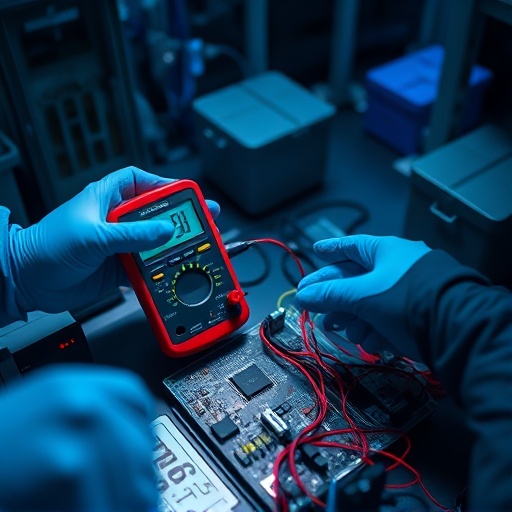
When you source smart pet electronics, the reliability of the device lives and dies on the printed circuit board assembly (PCBA). Many cheap factories skip automated testing to save time and labor costs.
In a high-quality manufacturing facility, every single PCB passes through an Automated Optical Inspection (AOI) machine. During a recent production run at a premium facility, the AOI camera flagged uneven solder brightness on three boards out of a batch of five hundred. A lesser factory would have shipped those boards anyway. Within six months of environmental humidity exposure, those uneven solder joints would have oxidized, cracked, and caused a complete device failure.
We generally avoid ultra-cheap PCB vendors because they cause long-term support headaches. Saving a dollar on a control board is never worth the 15% return rate you will experience when those boards fail in your customers’ living rooms.
Are you tired of dealing with low-quality pet electronics?
Work with an engineering-first manufacturer that implements strict AOI testing and uses premium componentry. Get a factory-direct quote that protects your brand’s reputation.
Sensors and the “False-Positive” Trap
Another common hardware issue is the false-positive sensor trigger. Smart feeders rely on an infrared sensor across the dispensing chute to detect when the food bowl is full. If the factory uses cheap, uncalibrated sensors, ambient sunlight streaming through a living room window can blind the sensor, tricking the device into thinking the bowl is full when it is completely empty.
To prevent this, high-precision infrared sensors must be physically recessed within the chassis and paired with a software algorithm that filters out high-frequency ambient light fluctuations. This level of calibration is something a standard trading company cannot specify or troubleshoot—it requires direct interaction with the factory’s software engineering team.
5. Persona-Specific Sourcing Frameworks
An importer’s sourcing strategy must align with their business model. A startup with $15,000 in seed capital has completely different operational requirements than a commercial kennel operator who needs heavy-duty equipment for a multi-location facility.
The Startup Private Labeler
You have limited capital, high growth ambitions, and zero brand equity. Your primary risk is committing too much capital to unsold inventory.
The honest truth: A suspiciously low MOQ from an unknown factory is often a red flag. It usually means they are clearing out old, rejected inventory or using sub-par materials from a canceled production run.
- Strategy: Focus on off-the-shelf designs with high-quality core components. Do not try to develop a custom plastic mold (which can cost $15,000 to $50,000 in tooling fees). Instead, negotiate a lower MOQ (e.g., 500 units) by accepting standard product colors but investing heavily in customized, high-end packaging and a localized, professional user manual.
- Key Metric: Landed cost vs. customer acquisition cost (CAC). Ensure your margins are at least 4x your landed cost to absorb ad spend.
The High-Volume Amazon Seller
Your business is built on high velocity, tight margins, and flawless review management. A single critical product defect can trigger an Amazon listing suspension, destroying your business overnight.
- Strategy: You must mandate a strict pre-shipment inspection by an independent third-party agency (like QIMA or SGS). Never allow a factory to ship goods without an approved inspection report. Switch from standard models to customized OEM designs to avoid competing in a race-to-the-bottom price war on the exact same product listings.
- Key Metric: Return rate. Your target return rate for electronics must be under 2%. Anything higher will eat your margins and trigger Amazon’s high-return warnings.
The Established B2B Distributor
You supply regional retail chains, pet specialty stores, or veterinary clinics. Your clients expect consistent packaging, reliable delivery schedules, and stable pricing year-over-year.
- Strategy: Build relationships with large-scale OEMs that have robust financial standing. Secure exclusive regional distribution rights in exchange for guaranteed annual purchasing volumes. Implement dual-sourcing strategies for your top-selling SKUs to mitigate geopolitical or logistical disruptions.
- Key Metric: On-Time In-Full (OTIF) delivery rate and container space utilization.
The Commercial Kennel Operator
Kennel operators need feeders that run 24/7 – reliability matters more than features. You are not buying these products to resell them; you are buying them to run your business operations.
- Strategy: Bypass the consumer-grade market entirely. Look for industrial-grade, heavy-duty automatic feeders with stainless steel bowls, tamper-proof metal locking lids, and thick, bite-proof power cables. Your primary focus is physical durability and ease of sanitization.
- Key Metric: Mean Time Between Failures (MTBF). You need equipment that can withstand daily sanitization with harsh chemical disinfectants without degrading the plastics or rusting the metal components.
6. Regulatory Compliance, Certifications & ESG Trends
Customs officials do not care about your marketing campaigns. If your imported smart pet feeders do not carry the correct paperwork, your entire shipment can be seized at the border, or worse, you could face massive liability lawsuits if a product causes property damage.
The Essential Certification Checklist
When importing pet electronics, you are importing two things: an electrical appliance and a food-contact device. This means you must comply with two distinct sets of regulations.
- FCC (Federal Communications Commission): Mandatory for the US market for any device containing wireless transmitters (Wi-Fi, Bluetooth). Your supplier must provide an FCC ID that can be verified on the official FCC database. Do not accept a simple “Certificate of Conformity” from an unaccredited lab.
- CE (Conformité Européenne): Mandatory for the European Economic Area. This includes compliance with the Low Voltage Directive (LVD), Electromagnetic Compatibility (EMC) Directive, and the Radio Equipment Directive (RED).
- FDA (Food and Drug Administration) Compliance: Any part of the feeder that touches pet food or water must be made from food-grade, non-toxic materials. Ensure the factory provides certified test reports showing that all plastics are BPA-free materials and any metal components are true 304 food-grade stainless steel.
- RoHS & REACH: Restricts the use of hazardous substances in electrical and electronic equipment. This is critical for European compliance and is increasingly being adopted by major US retailers.
The Impact of ESG on the Supply Chain
ESG (Environmental, Social, and Governance) requirements from large retailers are pushing manufacturers toward sustainable materials. This is no longer just a marketing gimmick; it is a hard procurement requirement for major retailers like Target, Walmart, and Fressnapf.
Practically, this means that over the next few years, importers who cannot prove their supply chain’s environmental