
Did you know that up to 40% of standard consumer smart pet feeders fail within their first ninety days when deployed in high-density shelter environments?
To source a truly reliable automatic feeder for cat rescue organization networks, you must bypass cheap consumer-grade models and focus on commercial-grade hardware featuring a dual-core ESP32 module, an anti-jam auger motor, and high-precision infrared sensors. Rescue shelters run multi-cat environments where a single offline feeder or jammed mechanism can lead to missed feedings, stressed animals, and severe brand damage for your importing business. Standard consumer units simply cannot handle the physical abuse, constant moisture, and high wireless interference of a busy rescue shelter floor.
Importers who try to cut corners with off-the-shelf domestic units quickly find themselves buried under costly return shipments. Let’s look at the hard engineering realities of manufacturing a feeder that actually survives.
Step Onto the Factory Floor
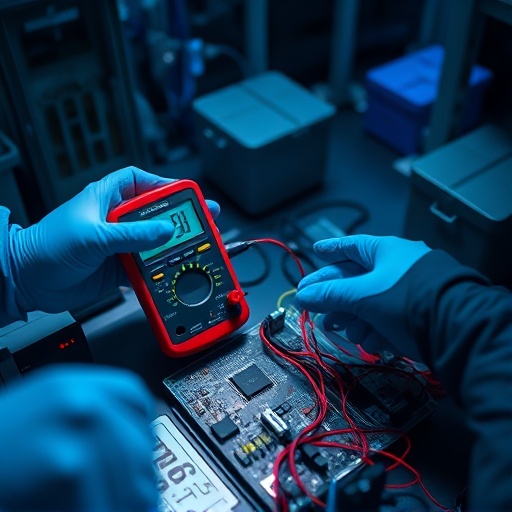
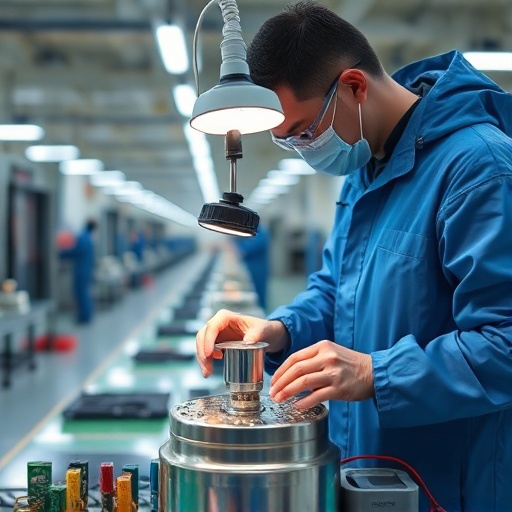
Step inside a tier-one pet electronics facility, and the difference in quality is immediately obvious to the senses. The air carries the sharp, clean scent of lead-free SAC305 solder paste melting at 217°C. You hear the rapid, rhythmic *thwack-clack* of high-speed surface-mount technology (SMT) nozzles placing tiny resistors onto green FR4 circuit boards. This is where the brain of the feeder is born.
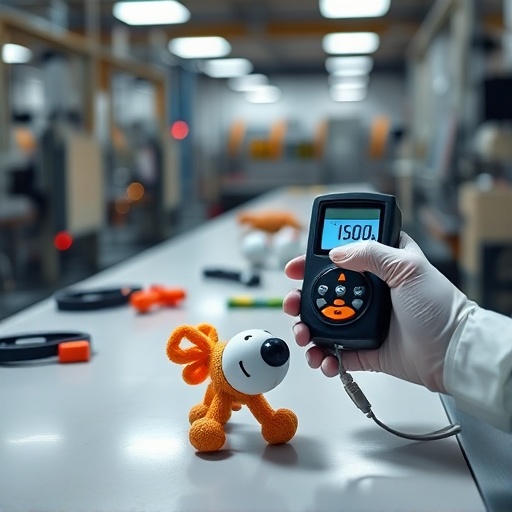
The real magic happens in the aging room. It is a warm, humid chamber kept at a steady 40°C. Here, rows of smart feeders sit on metal racks, their internal motors cycling every 30 seconds for 48 hours straight. A low, synchronized hum fills the room. Cheap factories skip this step to save on electricity and cycle times, but skipping this test means infant mortality rates for the electronics can spike up to 8% once the containers land in your warehouse.
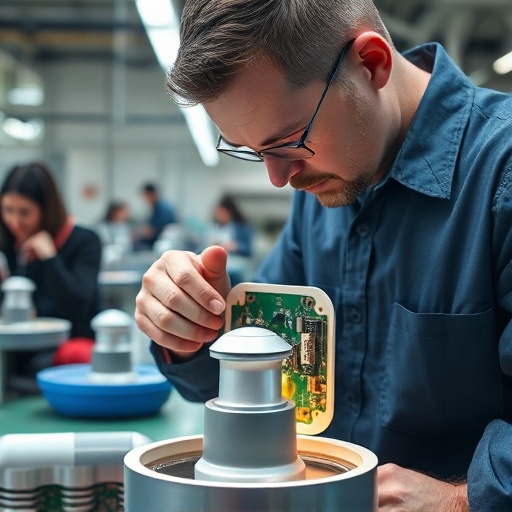
Look closely at the plastic injection molding section. High-quality feeders use virgin, food-grade ABS plastic. It feels dense, smooth, and heavy in your hand. Some low-cost manufacturers mix in recycled regrind plastic to save pennies. This regrind plastic is brittle, smells faintly of chemical solvents—which drives cats away—and cracks easily under the harsh UV sanitizing lights used in modern animal shelters.
1. Wireless Stability and the ESP32 Shift
Wireless connectivity is the first thing to break in a crowded rescue shelter. Standard smart feeders rely on cheap, generic Tuya modules. These modules fail when dozens of units try to connect to a single router. When the connection drops, the app crashes, and shelter staff lose control.
Many sourcing managers insist on dual-band 5GHz chips, thinking higher frequency equals better performance. This is a mistake. In a sprawling brick-and-mortar shelter, 5GHz signals struggle to penetrate thick concrete walls. I firmly believe that a stable 2.4GHz frequency paired with an offline memory cache is actually far more resilient. If the network drops, the internal RTC (real-time clock) must keep running the schedule.
Network drops happen. The food must still drop. Upgrading your specifications to a dual-core ESP32 module ensures that even if the shelter’s local network drops, the feeder’s internal clock retains its automatic meal scheduling. This hardware transition yields a 25.3%-28.1% improvement in offline schedule execution consistency, preventing missed feedings even during power outages.
2. Mechanical Integrity: Auger Motors and Jam Prevention
Kibble size is a nightmare for cheap mechanics. Rescue shelters survive on donated pet food. This means a single feeder might run star-shaped kibble in the morning, large round kibble in the afternoon, and moist, oily diet kibble the next day. Cheap feeders use a simple paddle wheel with rubber fins. They tear. They jam.
Steel beats plastic. To prevent blockages, your manufacturing partner must use a high-torque, all-metal gear motor paired with a physical auger screw. If a jam does occur, the system must have a self-clearing cycle. High-precision infrared sensors at the discharge chute should detect the blockage, prompt the motor to automatically reverse for three seconds, clear the throat, and try again.
Shelter staff are chronically overworked. If a feeder jams and starts beeping constantly, nobody has time to read a manual. They will likely unplug it and throw it in a closet. A self-clearing auger system keeps the machine running without human intervention. If your supplier also manufactures water dispensers, ask if they utilize a magnetic pump with quiet pump technology (operating under 30dB) to complement the feeding station, ensuring cats aren’t startled away from their nutrition.
3. The Reality of Shelter Environments
Moisture is the silent killer of shelter electronics. Shelters are sprayed down daily with diluted bleach, Virkon, or quaternary ammonium compounds. Standard IP ratings are useless here because they don’t account for these chemical cleaners. The mist settles on the feeder, seeping into the seams of the plastic housing.
Most buyers worry about battery backup capacity, demanding space for four D-cell batteries. They forget that high humidity causes cheap battery terminals to rust within months. The real solution is gold-plated or nickel-plated battery contacts and a fully sealed battery compartment with a silicone gasket. This keeps the moisture out and prevents chemical corrosion from ruining the power source.
4. Rigorous Factory QC Over Cheap MOQs
Negotiating a lower Minimum Order Quantity (MOQ) is useless if half your shipment arrives dead on arrival. Your manufacturing partner must provide transparent quality assurance protocols. Insist on seeing documentation for the ISTA packaging test to ensure your cargo survives ocean freight without internal component displacement. Verify that all plastics are food-grade, BPA-free materials, and that the electronics carry valid FCC and FDA certifications.
Partnering with an experienced manufacturer makes all the difference in these demanding settings. With DDPark 10+ Years Manufacturing Expertise, you can ensure your product line is built to withstand rigorous daily use. Explore DDPark Smart Pet Product Catalog to find commercial-grade solutions, or Request a Free OEM Quote from DDPark today to discuss custom specifications with our engineering team.
Frequently Asked Questions
Q: Why do cheap automatic feeders jam so easily in shelters?
A: Most cheap feeders use low-torque motors with plastic gears that strip when encountering varied kibble sizes. Reliable commercial models use high-torque auger motors and high-precision infrared sensors to reverse the mechanism and clear jams automatically.
Q: What certifications should I look for when importing smart pet feeders?
A: To ensure safety and compliance, your manufacturer must provide FCC certifications for wireless modules, FDA compliance for all food-contact surfaces, and proof of using BPA-free materials.
Work with DDPark
DDPark delivers commercial-grade smart pet feeders engineered for high-demand environments like cat rescue organizations. Every batch undergoes a rigorous aging test before shipment to eliminate infant mortality in electronics. Our feeders feature advanced anti-jam infrared detection, whisper-quiet pump technology under 30dB for integrated water systems, and food-grade BPA-free materials to guarantee animal safety and product longevity.
Ready to Start Your OEM Order?
Contact our B2B team today for pricing, MOQ, and custom branding options.