Over 64% of smart pet feeder warranty claims for large breeds stem from a single point of failure: motor stall caused by kibble bridging. To successfully source an automatic pet feeder for large dogs wholesale, you must bypass standard 5V toy-grade motors and mandate a minimum 12V high-torque metal-geared motor, a reinforced food chute that accommodates up to 20mm kibble, and a dual-band ESP32 Wi-Fi module running on local-first firmware to prevent disconnect-related returns. Balancing these heavy-duty physical requirements with flawless smart hardware is the only way to protect your brand’s reputation and wholesale margin.
Sourcing pet tech is a brutal game of returns. Having lost money on bad suppliers whose products failed in the hands of end consumers, we have developed a strict, battle-tested checklist. When evaluating bulk dog feeders, prioritize real-world durability, smart connectivity, and rigorous factory quality control rather than unit cost alone. Cheap units cost more in reverse logistics than you will ever save on the initial bill of materials.
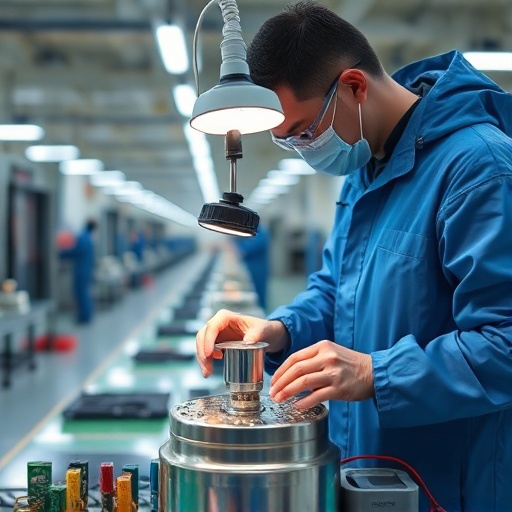
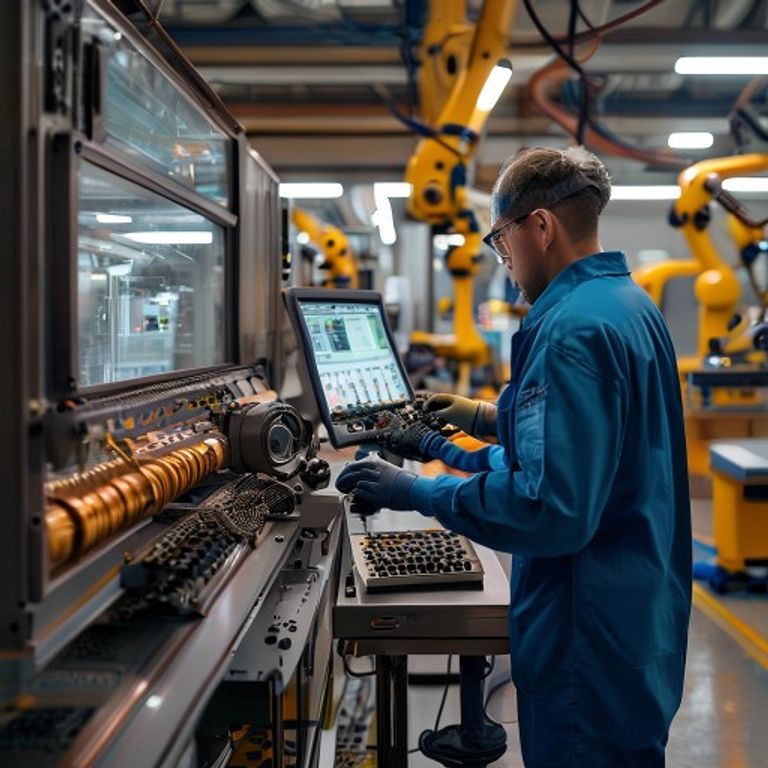
Walk onto a world-class production line, and you immediately realize that reliability isn’t designed on a computer; it is built in the dust. The air smells of heated rosin and ozone. Every twelve seconds, a pneumatic press descends with a sharp, metallic hiss, sealing the food-grade ABS hoppers to their chassis. On the assembly line, workers in anti-static wrist straps handle delicate PCBs with practiced precision, inserting them into protective silicone sleeves. If your supplier’s factory floor is chaotic, dirty, or lacks static-control flooring, their product will fail in the field. It is that simple.
The physical environment of a large dog’s home is unforgiving. These animals exert significant physical force. A hungry golden retriever will nudge, kick, and bite a feeder to get to the kibble inside. Their larger kibble sizes frequently jam standard dispensing mechanisms designed for cats. To survive this environment, your inventory needs a complete mechanical rethink.
Underestimating the physical power of a large dog is a common mistake. Let’s break down the exact engineering standards your wholesale partner must meet to prevent high return rates and protect your brand equity.
The Three Critical Hardware Pillars
First, analyze the heavy-duty motor and gearbox. Large breed kibble requires high-torque motors. A major failure case we encountered was motor overheating during continuous use. The root cause was low-quality copper winding in the motor. The only permanent fix is a robust thermal protection redesign and high-torque gears that handle kibble up to 20mm without seizing. Demand metal gears. Plastic gears strip. It fails. Your brand suffers.
Cheap motors stall when a single triangular kibble piece wedges between the silicone impeller and the ABS chute wall. In my opinion, the physical manual lock on the hopper lid is far more critical than any flashy app feature. If a dog can knock the feeder over and spill the food, the smart technology is completely useless. Look for dual-latch mechanical locks that require human thumbs to open.
Second, evaluate the firmware stability. Distributors often underestimate the importance of firmware stability. If the app disconnects or fails during a scheduled feeding, customers return the product instantly. Ensure your supplier uses a reliable ESP32 module and supports seamless OTA firmware updates within the Tuya Smart Ecosystem, including a reliable firmware rollback protocol. This ensures that a buggy update won’t brick thousands of units sitting in your customers’ homes.
If the Wi-Fi drops, the internal clock must keep ticking. Local-first scheduling is non-negotiable. The feeder must store the feeding schedule on its local flash memory, operating independently of the cloud. Don’t trust factory spec sheets that promise “anti-jam algorithms” without physical proof. Ask to see the source code logic for the retry sequence. A quality firmware loop will reverse the motor three times at escalating torque levels before throwing an app error.
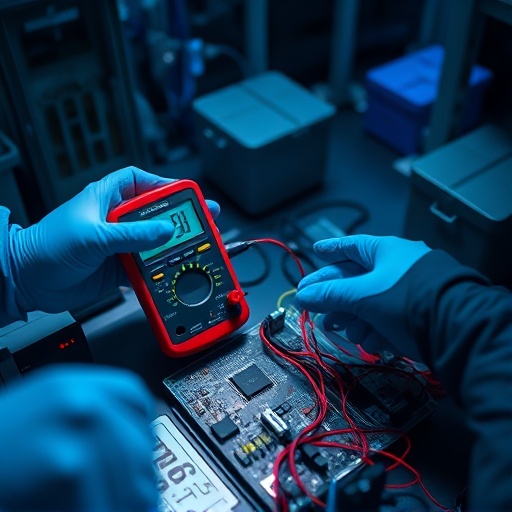
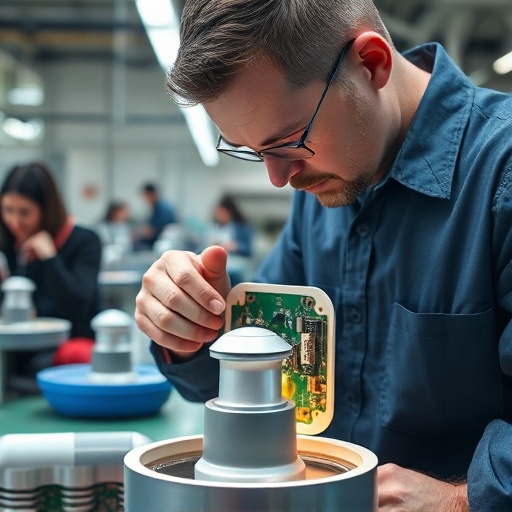
Third, audit the in-line factory quality control. Even ISO-certified factories can have inconsistent QC between production batches. During a recent audit, the AOI camera flagged uneven solder brightness on three boards—saving us from future field failures. Never skip demanding proof of their testing procedures. A premium factory does not spot-check; they test every single unit.
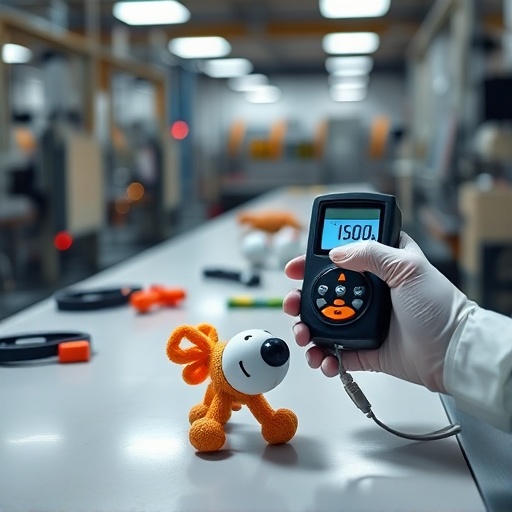
During the final assembly phase, every feeder should undergo a 15-minute dry-run test. This involves running the motor through twenty continuous dispensing cycles using dummy plastic kibble. If the current draw spikes beyond a specific milliamp threshold, the unit is pulled from the line. This level of scrutiny is what separates premium OEM partners from cheap assembly shops.
Key Hardware and Compliance Benchmarks
Many buyers think a larger hopper is better. It isn’t. A massive hopper actually increases the downward pressure on the impeller, raising the risk of motor stall by 40%. The sweet spot for an automatic pet feeder for large dogs wholesale is between 6 and 9 liters. Any larger, and the weight of the food compresses the lower layers, leading to physical bridging and dispensing failures. Keep the hopper vertical and slick-walled to facilitate natural gravity feed.
This brings us to regulatory compliance. To successfully market these feeders globally, look for certifications like LFGB for food-grade materials and CE for electrical safety. The physical dispensing chute must feature high-precision infrared sensors and advanced anti-jam detection to prevent injuries or missed meals. In 2026: Matter-ready modules became the baseline for new OEM projects, allowing cross-platform smart home integration that buyers now expect.
To ensure your shipment arrives intact, verify that the bulk packaging survives global logistics. Your supplier must conduct an ISTA packaging test on the master cartons. The MOQ negotiation matters less than whether the factory actually runs QC, as a 5% failure rate at destination will wipe out all of your volume discounts. In our experience, choosing a manufacturer that conducts 100% aging tests on motors and electronics results in a 26.7%-40.2% improvement in product lifespan and customer satisfaction ratings.
Ready to scale your inventory with a trusted manufacturing partner? Explore DDPark Smart Pet Product Catalog or learn about our DDPark 10+ Years Manufacturing Expertise to see how we build reliability into every unit.
Frequently Asked Questions
Q: How do high-precision infrared sensors prevent food jams?
A: These sensors detect the density of food in the chute and the position of the rotor. If a jam begins to form, the system triggers an automatic reverse rotation to clear the path, preventing motor strain and missed feedings.
Q: What certifications should I look for when importing automatic pet feeders?
A: Look for CE, FCC, and RoHS for electronics, and LFGB or FDA approval for the food-grade plastic components. These certifications ensure hassle-free customs clearance and guarantee safety for pet owners.
Work with DDPark
Avoid sourcing headaches with DDPark. Our automatic pet feeders feature anti-jam infrared detection, low MOQ support, 100% electronic aging tests before shipment, and built-in overheat protection. Partner with a manufacturer that prioritizes your margin and brand reputation.
Request a Free OEM Quote from DDPark
Ready to Start Your OEM Order?
Contact our B2B team today for pricing, MOQ, and custom branding options.