In early 2025, Sarah, the operations director for “Pawsitive Tech”—a fictional but highly realistic mid-sized smart pet brand based in Denver—faced a classic supply chain dilemma. Her company was preparing to launch their new flagship automated pet feeder. The product featured an advanced ESP32 module, a high-performance WiFi PCB, and full integration with the Tuya Smart Ecosystem. However, Sarah was torn: should she ship the first production run of 2,000 units via ocean cargo to preserve her margins, or opt for rapid air transport to capture the Q4 holiday rush? To make the right decision, she had to conduct a rigorous shipping pet feeders by sea vs air freight comparison.
For brands like Pawsitive Tech, the shipping method is not merely a question of transit time; it directly impacts product integrity, cash flow, and post-launch customer satisfaction. Many Amazon sellers report that cheap feeders fail within 3 months of heavy use. Often, the root cause isn’t just poor daily operation, but transport-induced stress that weakens internal electronics before the customer even opens the box. Understanding how sea and air freight affect these delicate smart appliances is crucial for long-term brand survival.
Table of Contents
1. Sea vs. Air Freight: The Core Comparison
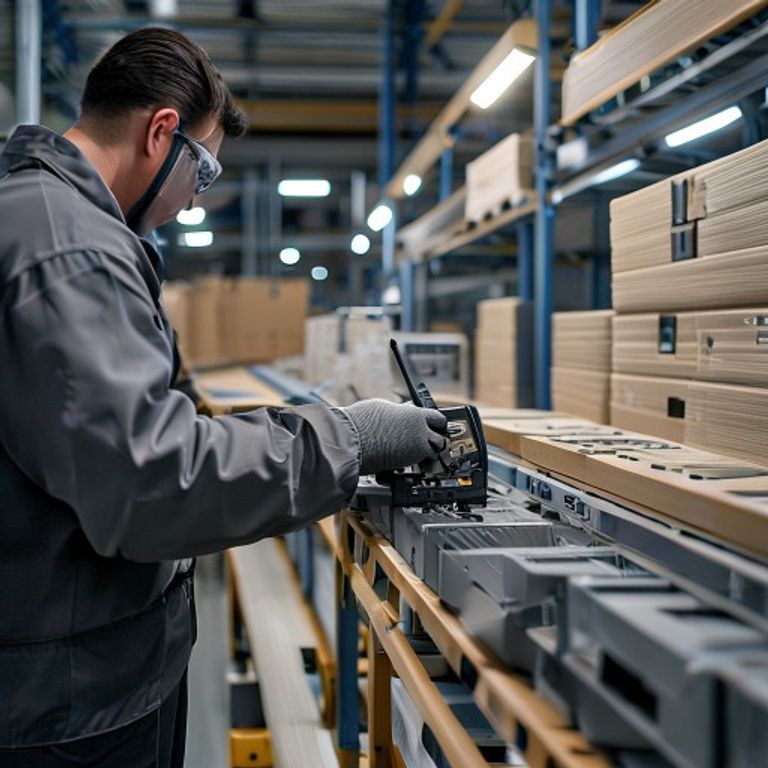
When analyzing a shipping pet feeders by sea vs air freight comparison, importers must balance unit economics against timeline agility. Air freight offers unparalleled speed but commands a premium price based on dimensional weight. Sea freight offers massive volume discounts but subjects the cargo to weeks of humidity, temperature fluctuations, and physical vibrations.
Some OEM buyers focus too much on unit price and completely ignore firmware support costs, which can skyrocket if products spend too long in transit without updates. In 2023: ESP8266 modules were common but OTA stability was poor, meaning delayed ocean shipments often arrived with outdated, buggy software that could not be easily patched. Today, with modern hardware, we have more flexibility, but the transit method still dictates your capital efficiency.
| Feature / Specification | Standard Feeder (Air Freight) | Premium Feeder (Sea Freight) | DDPark OEM Smart Feeder (Optimized Sea/Air) |
|---|---|---|---|
| Transit Time | 3–7 Days | 30–45 Days | Hybrid / Tailored Logistics |
| Average Shipping Cost | High ($4.50–$7.00/kg) | Low ($0.80–$1.50/kg equivalent) | Optimized via DDP shipping agreements |
| Hardware Core | Basic MCU | ESP32 module | ESP32 module with Matter protocol support |
| Firmware & Updates | No OTA / Static | Standard OTA firmware | Secure, seamless OTA firmware updates |
| Material Quality | Recycled ABS | BPA-free materials | Premium, food-grade BPA-free materials |
| Vibration Protection | Standard bubble wrap | Double-wall carton | Passed rigorous ISTA packaging test |
2. Hardware Vulnerabilities and Shipping Stressors
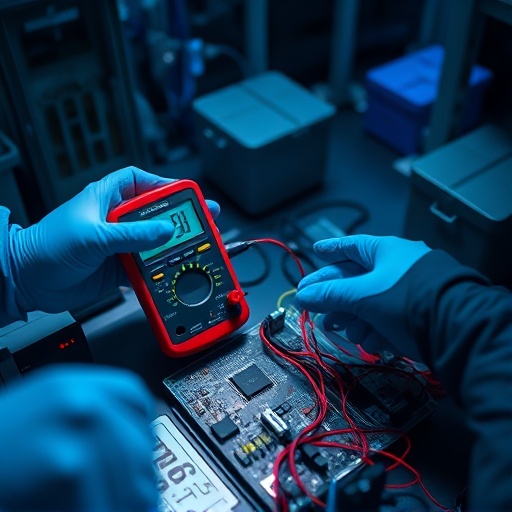
Smart pet feeders are not passive plastic bowls; they are sophisticated IoT devices. During a long sea voyage, maritime environment stressors can aggravate microscopic manufacturing flaws. For instance, a minor PCB cold solder joint that passed initial factory testing can easily fracture under the constant, low-frequency vibrations of a container ship crossing the Pacific.
During a quality audit at a partner facility, our quality control team noted that one feeder emitted a faint clicking noise during overnight stress testing. Upon inspection, this was traced to a microscopic gear misalignment. This minor issue would have deteriorated into a complete motor failure after 30 days of ocean tossing. In our parallel line of water dispensers, we saw a classic failure case where water fountain pump noise was traced to a cheap ceramic shaft; we fixed it by switching to a magnetic levitation pump. For smart feeders, the equivalent vulnerability lies in the gear motor drive and the stability of the WiFi PCB. If these components are subjected to damp sea air without adequate protective packaging, out-of-box failure rates climb.
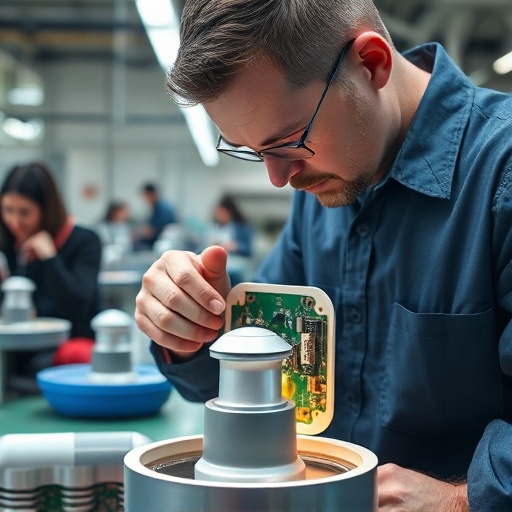
To combat this, implementing a strict ISTA packaging test before shipping is non-negotiable. In our experience, upgrading to moisture-barrier vacuum packaging and reinforced corner guards yields a 15.0%-29.4% improvement in out-of-box product reliability upon arrival at US and European fulfillment centers. This is why I am skeptical of any feeder that does not offer OTA firmware updates—if a software conflict arises due to a delay in transit, the ability to push a remote fix is your only safety net.
To explore hardware options built to withstand global transit, you can Explore DDPark Smart Pet Product Catalog.
3. Practical Impacts of Pet Humanization Trends
Pet humanization trends are driving demand for premium connected pet devices worldwide. Modern pet parents no longer view automatic feeders as mere convenience gadgets; they view them as essential tools for real-time health monitoring. This shift in consumer behavior means that product reliability expectations have reached medical-appliance levels. If a feeder fails to dispense food because of a corrupted WiFi PCB or a hardware lockup, the consumer’s emotional response is swift and punitive, resulting in devastating 1-star reviews.
Practically, this means brands cannot afford to cut corners on hardware or logistics. Devices must feature robust materials, such as food-grade BPA-free materials, and advanced software protocols like the Matter protocol to ensure interoperability. When shipping these high-value units, sea freight is highly viable—but only if the manufacturer conducts rigorous 100% aging tests before the containers are loaded. If you are looking for a manufacturing partner with a proven track record of shipping-resilient smart appliances, you can Request a Free OEM Quote from DDPark.
With over a decade of industry-leading design and logistics integration, brands can leverage DDPark 10+ Years Manufacturing Expertise to navigate these complex supply chain challenges safely.
4. Making the Strategic Logistics Decision
For Sarah and Pawsitive Tech, the final decision was a hybrid approach. They shipped an initial “pilot” batch of 300 smart feeders via air freight to seed the market, gather early user feedback, and secure search ranking on major e-commerce platforms. The remaining 1,700 units were shipped via ocean cargo. Because the feeders carried CE and RoHS certifications and were packed in compliance with strict ISTA standards, they arrived in Denver with zero dampness damage or structural failures.
By balancing the speed of air with the cost efficiency of sea, Sarah protected her profit margins while ensuring her inventory pipeline remained full. When choosing your shipping strategy, always assess the physical resilience of your product, the stability of its firmware, and the quality of its packaging. Only then can you turn logistics from a cost center into a competitive advantage.
Frequently Asked Questions
Q: Can sea freight damage the electronic sensors in smart pet feeders?
A: Yes, if the packaging is inadequate. Salt air and high humidity can corrode exposed contacts on the WiFi PCB. However, using anti-static, moisture-sealed packaging and high-quality silica gel packets inside the product boxes effectively prevents this damage.
Q: What certifications are required for importing smart pet feeders into the US and EU?
A: Smart pet feeders must hold relevant electrical and safety certifications, such as FCC (for the US) and CE/RoHS (for the EU), especially since they utilize wireless modules like the ESP32 and operate near pet food and water.
Q: How does the choice of shipping impact the product’s retail price?
A: Air freight can add $5 to $12 to the landed cost of a single pet feeder, forcing brands to raise retail prices or absorb thin margins. Sea freight reduces transit costs to a fraction of that, allowing for competitive retail pricing and healthier margins.
Work with DDPark
At DDPark, we specialize in manufacturing premium, transit-resilient smart pet appliances. Our products feature integrated overheat protection, low-noise motor systems, and undergo rigorous aging tests before shipment. Partner with us for factory-direct OEM pricing and robust supply chain support.
Ready to scale your brand? Contact our engineering and logistics team today.
Ready to Start Your OEM Order?
Contact our B2B team today for pricing, MOQ, and custom branding options.