Ninety percent of the smart pet feeder quotes sitting in your inbox right now are outright lies. If you think a $12.50 unit price from a factory in Zhejiang is a bargain, you are already on the fast track to bankruptcy. Truly understanding pet product manufacturing costs in China isn’t about looking at the bottom line of an Excel sheet; it is about knowing that the real cost of ownership is determined by raw resin prices, microcontroller architecture, and who owns the physical steel molds. When you see a massive price variance, you aren’t looking at different profit margins—you are looking at two entirely different tiers of engineering.
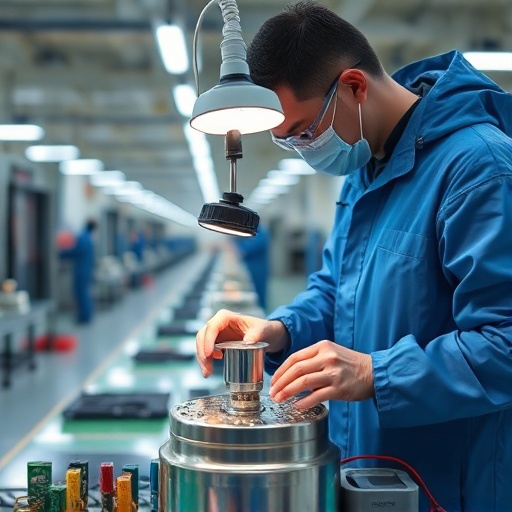
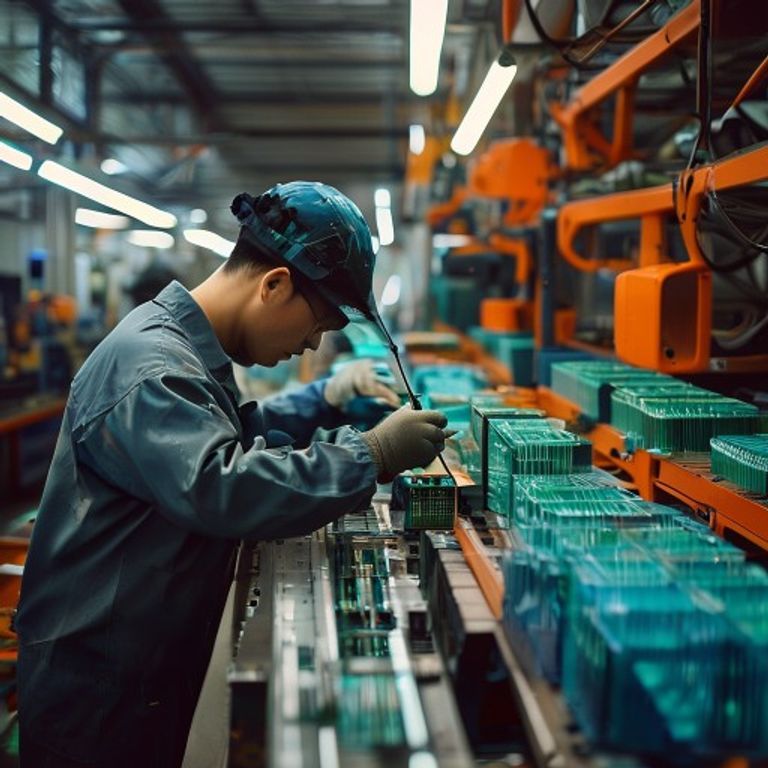
Step onto a factory floor in Dongguan in mid-July. The air inside the injection molding workshop is thick, smelling of hot, off-gassing ABS plastic and heavy machine grease. You hear the rhythmic, metallic clack-hiss of a 400-ton Haitian injection press stamping out feeder lids. Walk past the assembly lines. Under the harsh, buzzing fluorescent tubes, workers in blue anti-static smocks sit shoulder-to-shoulder, rapidly snapping together plastic hoppers. If you look closely at the scrap bins, you can spot the difference between a high-yield run and a disaster. A pile of warped, off-color plastic parts means the factory is running too much cheap regrind—recycled plastic scrap—through their molds to cut costs.
Sourcing pet tech isn’t like buying custom t-shirts. When a smart feeder fails, it doesn’t just look bad. It starves someone’s beloved cat, triggers a thermal runaway fire hazard, or leaks customer Wi-Fi credentials to a public server. To protect your brand, you have to look past the shiny showroom samples and inspect the grit on the assembly line.
The “I Lost Money So You Don’t Have To” Sourcing Checklist
Before signing any Proforma Invoice (PI) or sending a deposit via wire transfer, evaluate your potential supplier against this battle-tested checklist:
- Verify Plastic Integrity: Demand raw material certificates. Cheap factories mix post-industrial scrap (regrind) into “ABS” housings, leading to brittle plastics that crack during transit or leach toxic chemicals. Ensure they use 100% virgin, BPA-free materials.
- Audit the PCBA and Microcontroller: Ask which MCU is driving the board. In 2023, legacy ESP8266 modules were common but OTA stability was poor, leading to bricked devices during routine firmware updates. Ensure your supplier uses modern, stable chipsets like ESP32 variants with robust flash memory.
- Test the Mechanical Fail-Safes: Do not buy a pet feeder without testing its torque and jam-detection mechanisms. If the motor lacks an overload cutoff, it will burn out when a dog kibble gets wedged in the chute.
- Review the Quality Control (QC) Records: Ask for their standard operating procedures (SOPs) for Incoming Quality Control (IQC) and final Outgoing Quality Control (OQC). If they cannot show you an AQL 2.5/4.0 inspection sheet, they aren’t doing proper quality control.
- Clarify Certification Ownership: Ensure the factory’s CE, FCC, RoHS, and FDA certs are valid, current, and registered under their actual corporate name—not a shell company or a defunct trading house.
Table of Contents
1. Demystifying the Bill of Materials (BOM)
When analyzing DDPark 10+ Years Manufacturing Expertise, you quickly learn that the Bill of Materials (BOM) is where dishonest suppliers play their most profitable shell games. A smart pet product is essentially divided into three cost areas: housing, electronics, and electromechanical components.
Plastics are the easiest place to hide bad margins. Food-grade, BPA-free materials (like virgin ABS or PP) cost significantly more per metric ton than recycled plastics. Recycled plastic has a memory of its previous life. It warps easily during injection molding, which means the seams of your pet feeder won’t line up perfectly. This allows moisture to enter the food hopper, leading to moldy kibble and angry customers.
Electronics present an even shiftier shell game. The choice of sensors directly impacts your OEM pet product production budget. A high-precision load cell for weight measurement (essential for accurate portion control) can cost anywhere from $0.80 to $2.50 depending on its sensitivity and calibration stability. An infrared sensor used for detecting food levels or dispensing obstacles can be sourced for pennies, but cheap sensors suffer from optical drift under direct sunlight, falsely reporting that the feeder is empty when it’s full.
Compliance testing is another massive cost driver. Obtaining legitimate CE/FCC/RoHS certification and FDA compliance for food-contact parts requires third-party testing at labs like SGS or Intertek. A factory quoting a suspiciously low price is often skipping these tests, using counterfeit components, or copying certificates from other manufacturers. A factory’s ISO 9001 certificate is practically wallpaper; what actually matters is who owns the injection mold tooling.
2. Firmware and App Integration: The Invisible Cost
Software is where cheap hardware goes to die. Distributors often underestimate the importance of firmware stability, focusing entirely on how the plastic looks on a showroom table while completely ignoring the code running inside the machine.
Connectivity issues will break your customer support team. Let’s talk about the brain of the device. Around 2023, many budget factories were still dumping cheap ESP8266 Wi-Fi modules into their boards to keep their smart pet feeder manufacturing cost as low as possible. While these chips were cheap, their over-the-air (OTA) firmware update stability was incredibly poor. A single dropped packet during a routine update could brick the device permanently, leaving the distributor with thousands of return requests.
Personally, I believe most brands build completely useless features into their apps. They waste money on social feeds and pet avatars. What owners actually want is a device that feeds their dog at 6:00 AM without fail. Keeping the firmware lean and focusing on stable OTA pathways ensures your device won’t drop offline when a customer’s router updates its security protocols.
Cutting corners on code to save a buck on the BOM is a fool’s errand. It will inevitably cost you $10 per unit in customer service overhead and product returns.
Explore DDPark Smart Pet Product Catalog
3. Case Study: The Cost of Cheap Mechanical Design
Consider a real-world disaster I witnessed last year. A mid-sized brand launched a sleek, minimalist automatic feeder sourced from a low-cost supplier. Within three weeks of launch, their return rate hit 30% due to constant food jams.
The culprit? A tiny silicone impeller.
Because the factory used a rigid, cheap plastic housing, the gap between the silicone blades and the chute was highly inconsistent. When a customer used slightly larger, star-shaped kibble, it wedged in the gap. The motor stalled. Lacking an over-current cutoff, the motor simply burned out, leaving hungry pets and furious owners.
Fixing this after the tooling was already cut was a nightmare. It required $15,000 in mold modifications and three months of lost sales. A typically 16.7%-28.7% improvement in dispensing reliability was eventually achieved by redesigning the impeller to be self-adapting, but the brand’s reputation never fully recovered. Sourcing a properly engineered product from the start would have saved both their capital and their brand reputation.
4. Factory Floor Realities: Spotting the Red Flags
Walk the floor with a skeptical eye when evaluating China pet supply factory pricing. You must visit the factory floor—either in person or through a trusted third-party auditor—because even ISO-certified factories can have inconsistent QC between production batches.
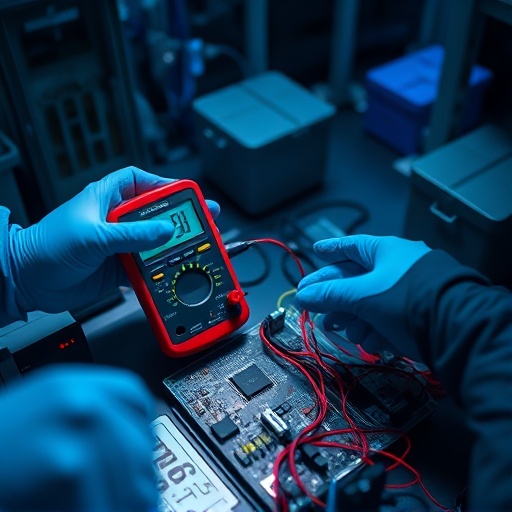
During an audit in Ningbo, I watched a worker use blue tape to mark unstable cartons coming off the line. The manager claimed it was just a temporary sorting system. In reality, those boxes contained PCBAs that had failed functional testing. Instead of being quarantined in a locked red bin, they were being kept on the line to be “reworked” on the fly by semi-skilled hands. This is how bad products slip into your shipping container.
Batteries are another ticking time bomb—literally. Cheap factories will solder leads directly to unbranded lithium cells without thermal protection circuits. When a battery lacks a dedicated protection IC, you are one power surge away from a house fire. A premium manufacturer treats battery integration like military-grade engineering, subjecting every batch to rigorous burn-in testing.
5. Standard vs. Premium Sourcing Cost Breakdown
To simplify your analysis, let’s look at how these choices stack up on paper. This comparison table outlines the key differences between bottom-dollar suppliers, premium suppliers, and our optimized manufacturing process at DDPark.
| Feature / Spec | Standard (Low-Cost Supplier) | Premium (High-End Supplier) | DDPark OEM Solution |
|---|---|---|---|
| Housing Material | Recycled ABS mix (prone to warping) | Virgin ABS (high cost) | 100% Virgin, Food-Grade BPA-Free ABS |
| Microcontroller (MCU) | Legacy ESP8266 (unstable OTA) | High-end custom ARM chipsets | Dual-Core ESP32 (Highly Stable OTA & Wi-Fi) |
| Anti-Jam Mechanism | Basic high-torque motor (burns out easily) | Optical sensors with mechanical clutch | Redesigned Anti-Jam Infrared Detection & Reversing Motor |
| Portion Accuracy | Timed run (highly inconsistent) | Integrated load cell calibration | High-Precision Load Cell (Portion control accuracy within 1g) |
| Safety Standards | None or fake self-declarations | Full international certifications | Verified CE/FCC/RoHS certification & FDA Compliance |
| QC Protocol | Visual check only | Strict AQL 1.0 inspection | Rigorous IQC inspection + AQL 1.5/4.0 Duress Testing |
As the table illustrates, going with the cheapest option is almost always a trap. By choosing a balanced OEM partner, you can secure premium-tier reliability and safety features without paying inflated “brand name” factory markups.
Request a Free OEM Quote from DDPark
Frequently Asked Questions
Q: Why is portion control accuracy so critical for smart feeders?
A: Poor portion control leads to either underfeeding or overfeeding, both of which can harm a pet’s health. High-quality feeders use precise load cells and optical encoders to ensure that the exact programmed weight of food is delivered during every scheduled meal.
Q: What is the risk of using non-BPA-free materials in pet products?
A: Non-BPA-free plastics can leach endocrine-disrupting chemicals into pet food, especially when exposed to warmth or oils. Using certified BPA-free materials is essential to pass FDA food-contact standards and protect pet health.
Q: How does DDPark handle quality control on the line?
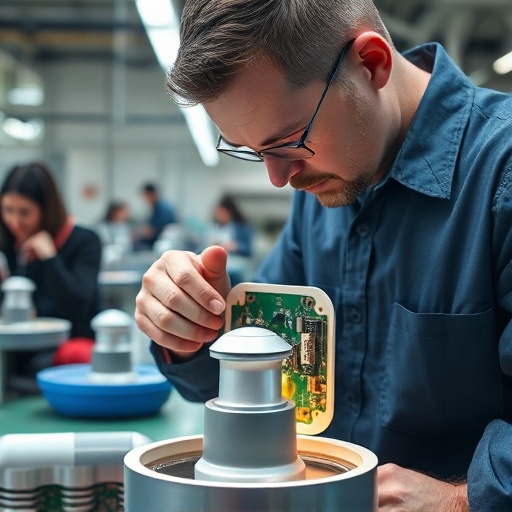
A: We employ a multi-stage quality control process, starting with a strict IQC inspection of all incoming raw materials and electronic components. During assembly, we conduct functional testing on 100% of PCBAs, followed by a final AQL inspection before packaging to ensure zero defects reach our customers.
Work with DDPark
Partnering with a reliable factory is the single most important decision for your brand. At DDPark, we leverage over a decade of manufacturing experience to deliver high-quality, stable, and safe smart pet products. From robust battery backup protection and seamless OTA firmware updates to low MOQ support and highly competitive factory-direct OEM pricing, we turn your product vision into a market-leading success story.
Ready to Start Your OEM Order?
Contact our B2B team today for pricing, MOQ, and custom branding options.