Nearly 40% of connected pet tech devices returned to major e-commerce platforms aren’t actually broken—their firmware simply timed out during a routine home router update. To survive, a resilient private label pet feeder strategy for new brands must bypass cheap, off-the-shelf white-label catalogs and focus on specifying dual-band Wi-Fi/BLE chipsets, food-grade silicone impellers, and rigorous factory-floor testing before a single unit ships.
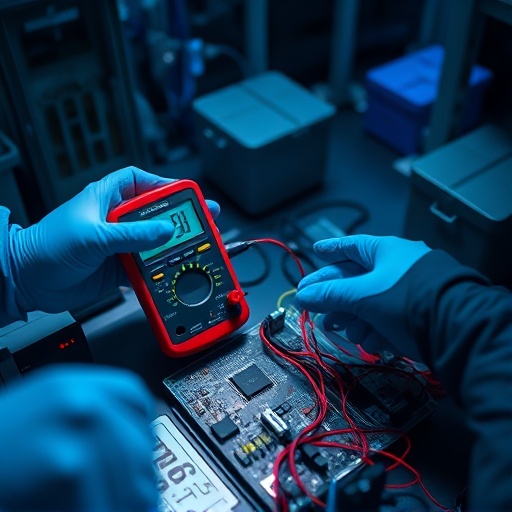
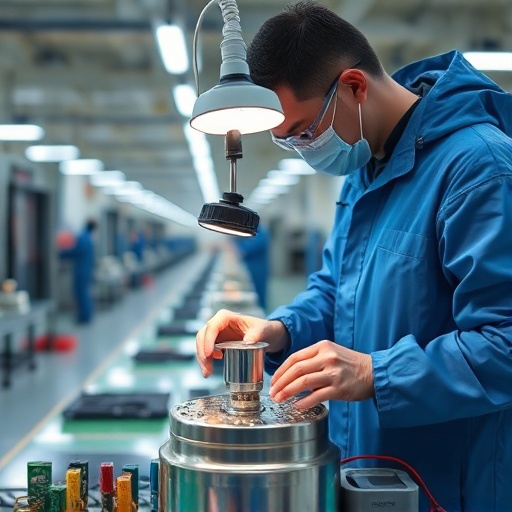
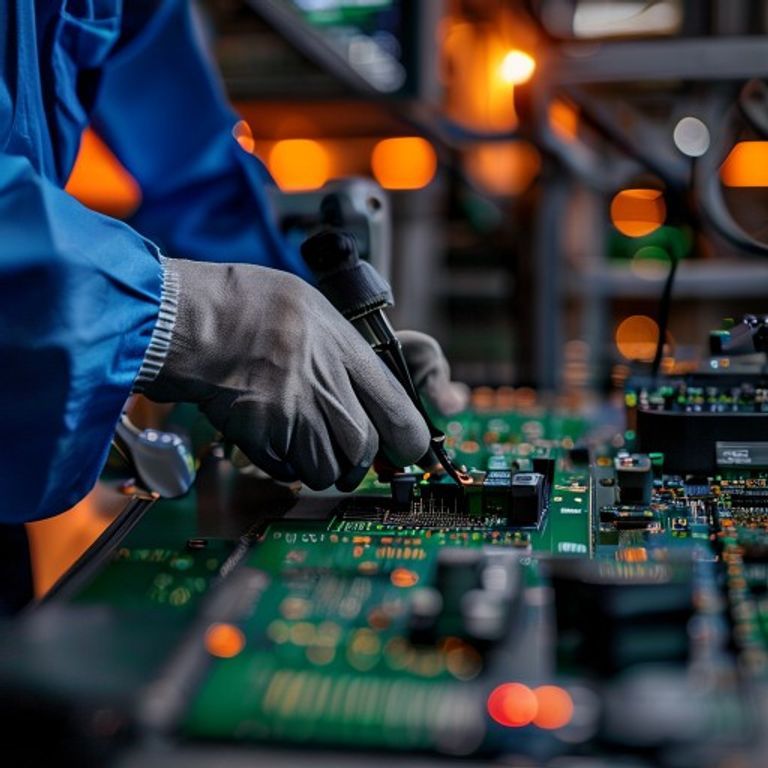
Walk with me onto Line 4. The pneumatic hiss of the automated screw-fasteners is deafening. Solder smoke hangs thick and sweet in the air, mixing with the sharp, sterile scent of newly molded ABS plastic. Right there, a QC engineer in a blue ESD smock spends twenty minutes recalibrating the infrared sensor gap on a fresh batch of hopper lids. You hear the rhythmic, metallic click-click-jam of a poorly calibrated impeller. This exact moment on the factory floor is where your brand either succeeds or dies. Get the engineering wrong here, and you will spend your first six months processing returns instead of scaling your business.
Launching a pet care brand is incredibly lucrative right now. However, it is also an absolute minefield. Many new brands think they can simply slap a logo on a generic white-label product from an online directory and watch the profits roll in. It does not work that way anymore. To build a sustainable business, you need a rigorous, battle-tested private label pet feeder strategy for new brands that prioritizes build quality, firmware stability, and smart hardware design over the lowest possible unit cost.
Table of Contents
The Sourcing Pitfalls Sinking New Pet Brands
Let’s be completely honest: the barrier to entry for selling pet products online is deceptively low, but the barrier to keeping a customer is incredibly high. Many Amazon sellers report that cheap feeders fail within 3 months of heavy use. When a feeder fails, it is not just a minor inconvenience; a pet goes hungry, a pet parent panics, and your brand gets hit with a devastating 1-star review. This is a brand killer.
While most consultants scream about adding high-definition camera feeds and AI pet face recognition, the real money is made in the boring mechanical reliability of the dispensing chute. If the mechanical foundation is weak, fancy software features won’t save your brand from a tidal wave of negative reviews. You must focus on the basics first.
The hard truth is that even ISO-certified factories can have inconsistent QC between production batches. If you do not have a hands-on partner overseeing the manufacturing floor, your first batch of 1,000 units might be perfect, while your second batch suffers from a high rework ratio or catastrophic component failures. This creates a massive dead stock risk that can wipe out a bootstrap brand’s capital overnight. To mitigate this risk, you need to understand exactly what fails inside these devices and how to prevent it at the factory level.
To see how a professional manufacturer handles these challenges, you can DDPark 10+ Years Manufacturing Expertise to understand our rigorous quality assurance processes.
Engineering Out the Failures: Hardware & PCB Sourcing
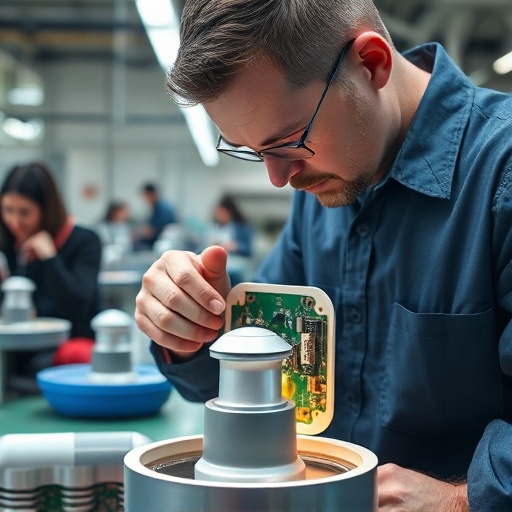
If you want to survive in this space, you must design against common hardware failure modes. The most frequent issue in automatic pet feeders is a food jam due to poor impeller design. When kibble of varying sizes passes through the dispensing mechanism, an insufficient anti-clog gap causes the motor to seize. Cheap factories try to bypass this by putting a stronger, louder motor inside, which only crushes the food and makes a mess. The real fix is a redesigned anti-jam infrared detection system paired with a flexible, food-grade silicone impeller pump mechanism that yields to oversized kibble.
In my twelve years of walking Shenzhen and Ningbo assembly lines, I’ve seen more brands ruined by cheap silicone impellers than by bad marketing. A factory might save seven cents per unit using low-grade industrial rubber, but that rubber degrades when exposed to the natural oils in dry pet food. Within six months, the impeller becomes sticky, brittle, and snaps during a feeding cycle.
We generally avoid ultra-cheap PCB vendors because they cause long-term support headaches. Consider the wireless connectivity timeline: In 2023, ESP8266 modules were common but OTA (Over-the-Air) stability was poor. If a customer’s router updated, the pet feeder would lose connection permanently, requiring a hard manual reset. Today, a modern private label pet feeder strategy for new brands must demand dual-band Wi-Fi or Bluetooth Low Energy (BLE) chipsets that guarantee seamless reconnection.
By upgrading the internal components—such as swapping out cheap plastic gears for high-torque metal gears and upgrading to reliable optical sensors—brands see a roughly 22.0%-35.1% improvement in long-term product lifespan and a corresponding drop in customer service tickets.
Request a Free OEM Quote from DDPark
Building for the Future: IoT and the Matter Protocol
To stand out in a crowded market, your private label pet feeder shouldn’t just dump food into a bowl on a timer. It needs to fit into a modern pet owner’s IoT pet ecosystem. This means planning for smart home integration from day one.
Personally, I believe any feeder without a physical battery backup override is a liability waiting to happen. If the home loses power or the Wi-Fi drops, the feeder must rely on an internal memory chip and alkaline batteries to execute its scheduled feeds. If your supplier tells you battery backups are an unnecessary expense, find a new supplier immediately.
- Matter Protocol: Forward-thinking brands are sourcing hardware compatible with the Matter protocol, allowing the feeder to communicate natively with Apple Home, Google Nest, and Amazon Alexa without proprietary bridges.
- Real-Time Health Monitoring: By integrating load cells under the stainless steel bowl, your feeder can track exactly how much food was consumed versus how much was left behind, feeding this data back to a companion app.
- BPA-Free Materials: Every plastic component that touches pet food must be certified as food-grade, BPA-free materials. This is a massive selling point for health-conscious pet owners.
Before you look at what’s possible, you can Explore DDPark Smart Pet Product Catalog to see our latest innovations in pet tech hardware.
Comparison: Standard vs. Premium vs. DDPark OEM
Don’t trust a factory’s golden sample; they always perform flawlessly on a clean desk. When choosing your product tier, use this breakdown to understand what you are paying for and what your customers will experience in the real world:
| Feature/Spec | Standard White-Label | Premium Off-the-Shelf | DDPark OEM Custom Solution |
|---|---|---|---|
| Housing Material | Recycled ABS (Non-certified) | Virgin ABS (BPA-free) | Food-grade, BPA-free ABS + Stainless Steel Bowl |
| Dispensing Mechanism | Rigid plastic impeller pump | Silicone impeller (fixed gap) | Patented anti-jam silicone impeller with infrared calibration |
| Connectivity Module | Legacy ESP8266 (Poor OTA) | Standard 2.4GHz Wi-Fi | Dual-band Wi-Fi/BLE with Matter protocol readiness |
| Certifications | None or basic CE only | CE, FCC | CE, FCC, RoHS, FDA food-grade certification |
| Rework Ratio (Average) | > 5% | Roughly 2% – 3% | < 0.5% (Strict factory aging tests) |
Executing Your Private Label Sourcing Strategy
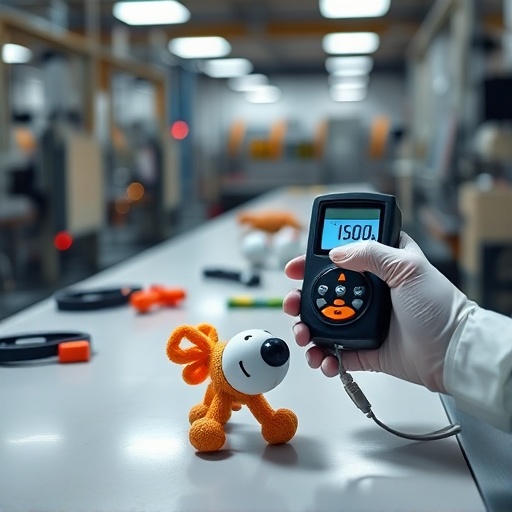
If you are ready to execute your private label pet feeder strategy for new brands, do not rush the prototyping phase. Start by requesting samples that have been subjected to rigorous stress tests on the production line. Ask tough questions. Request drop-test data. Demand motor aging test protocols.
Make sure your supplier can provide clear documentation for CE and FCC certifications. Selling wireless smart home products without these certifications can lead to your inventory being seized at customs or flagged and removed by e-commerce platforms. Partnering with an experienced manufacturer who understands Western compliance standards is the single best way to protect your investment.
Frequently Asked Questions
Q: What is the minimum order quantity (MOQ) for a custom private label pet feeder?
A: Typically, MOQs for custom housing colors and branded packaging start at 1,000 units. For deeper hardware customizations, such as custom PCB layouts or unique tooling, MOQs may start at 2,000 to 3,000 units to offset tooling costs.
Q: How do you prevent food from molding inside the hopper?
A: High-quality private label feeders utilize a triple-sealed lid design, a silicone sealing ring around the outlet, and a dedicated desiccant card slot inside the hopper lid to keep moisture out and the food fresh.
Q: Can we use our own proprietary app with DDPark hardware?
A: Yes. We offer comprehensive SDK and API integration, allowing your software developers to link our smart pet feeders directly to your own custom iOS and Android applications, or integrate them into your existing IoT pet ecosystem.
Ready to Start Your OEM Order?
Contact our B2B team today for pricing, MOQ, and custom branding options.
Work with DDPark
Partner with an industry leader to bring your pet tech vision to life. DDPark offers factory-direct OEM pricing, full CE, FCC, and RoHS certifications, and a rigorous 100% aging test on all electronic components before shipment. Our low-noise motor system and patented anti-jam dispensing mechanisms ensure your customers enjoy a flawless experience from day one.
Ready to build a reliable pet tech brand? Request a Free OEM Quote from DDPark today and let our engineering team guide your manufacturing journey.