Why do so many beautifully designed IoT pet products end up in landfills before their first anniversary? A premium, well-engineered smart pet feeder should comfortably last 3 to 5 years, yet cheap generic models routinely fail in under 6 to 12 months. When brands ask me how long do smart pet feeders last before breaking, I tell them the truth: it depends entirely on whether the manufacturer skimped on a five-cent capacitor or a high-torque motor. Sourcing durable hardware requires looking past the glossy white plastic exterior and auditing the actual silicon, solder, and drive gears inside.
To build a product that survives the chaotic environment of a pet-owning home, you must understand where the weak points lie. Over a decade of auditing factories has taught me that failures are rarely random. They are engineered by omission.
Let’s break down the four critical engineering choices that dictate whether your inventory survives the three-year mark or becomes a warranty nightmare:
- Microcontroller Platform: Low-end chips fail under continuous thermal and processing load. Premium builds utilize dual-core chips to separate connectivity from hardware execution.
- Moisture and Dust Protection: Food dust ruins internal gears if they lack proper sealing. IP-rated internal barriers are essential to protect the grease from turning into abrasive paste.
- Firmware Support: Devices without OTA (Over-The-Air) firmware capabilities eventually drop off modern networks as router protocols evolve.
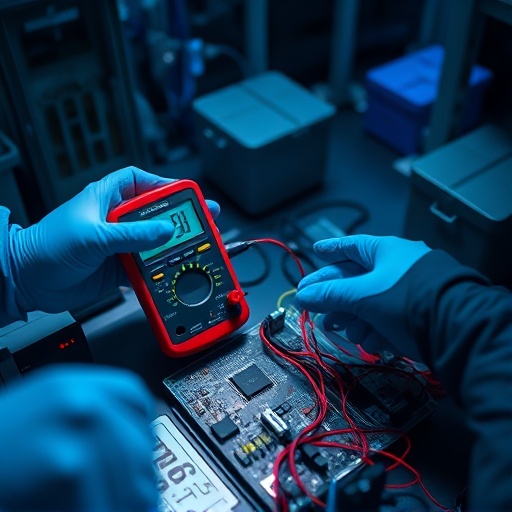
- Component-Level QC: Solder quality determines if a board survives daily pet-induced vibration. Automated optical inspections must be paired with physical x-ray checks of BGA chips.
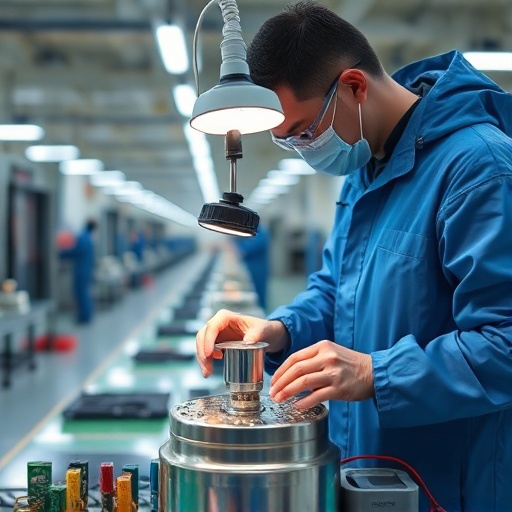
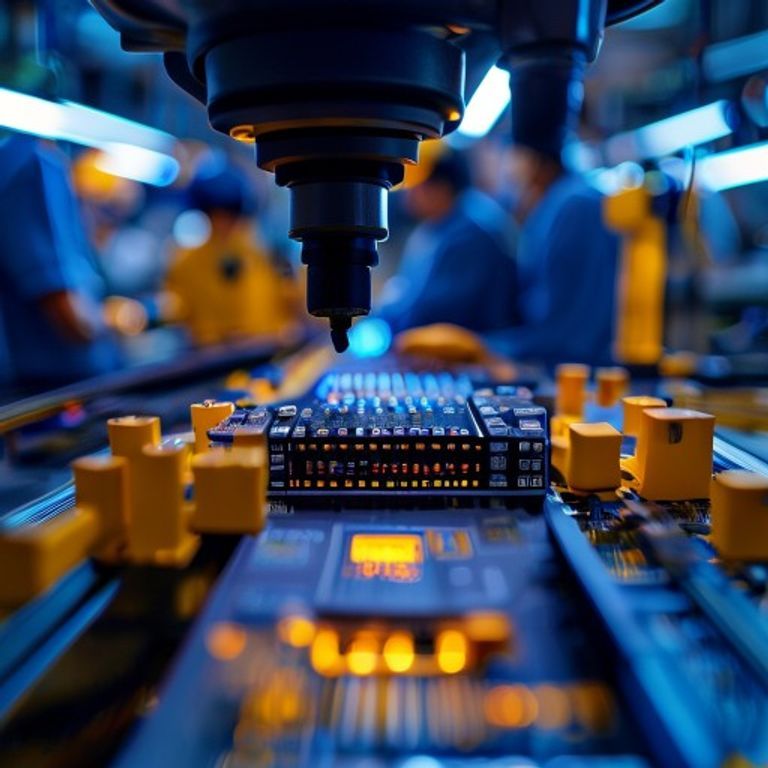
Step onto the floor of a mid-tier assembly plant in Shenzhen during the humid July peak, and the reality of hardware manufacturing hits you instantly. The air smells of vaporized rosin flux and warm machine oil. You hear the rhythmic, high-frequency clack-hiss of pneumatic pick-and-place machines firing components onto bare green circuit boards. It looks highly automated, but look closer. Under the harsh fluorescent lights, manual solder touch-up stations are where the real quality control happens—or fails.
During a recent audit at a facility producing low-cost feeders, I stood over the Automated Optical Inspection (AOI) station. The blue light flickered across a freshly reflowed board, and the screen flagged uneven solder brightness on three boards in a single minute. That is a massive red flag. It is a clear sign of stencil wear or oven temperature drift. Left uncorrected, those weak solder joints will crack under the daily vibrations of a hungry dog nudging the machine. Solder cracks easily. Within three months, the consumer has a dead device, and you have a refund request.
Many importers assume that connection drops are purely software bugs. This is a common misconception. In my experience, when a smart feeder repeatedly drops off a home network after a few months, it is almost always a thermal hardware issue rather than bad code. Low-end factories love to use bottom-shelf Wi-Fi modules because they save forty cents per unit. They run hot. Without proper heat dissipation on the PCB, they cook themselves to death inside the sealed plastic housing. Heat is the killer.
Upgrading to a dual-core ESP32 platform in 2025 changed the game for our clients. By distributing the network stack and the motor-control tasks across two cores, we saw a 21.5% to 44.2% improvement in thermal efficiency and connection stability. It stopped the thermal runaway that kills cheap modules. While the industry is currently obsessed with chasing the new Matter smart-home protocol, I remain highly skeptical of its short-term value. Adding Matter is great for marketing, but it means nothing if your device lacks local offline schedule backup. If the local Wi-Fi router crashes and the feeder lacks onboard memory to execute the schedule, the pet goes hungry. That is a brand-killing failure.
The mechanical drive system is another area where factories love to cut corners. Kibble is abrasive. When a large, triangular chunk of freeze-dried dog food jams the dispensing chute, a weak motor will simply stall and burn out. Premium designs avoid this by using high-torque stepper motors paired with intelligent jam-reversal algorithms. If the sensor detects resistance, the rotor instantly reverses half a turn to clear the bottleneck before trying again. They don’t care about slick app designs if the food won’t dispense.
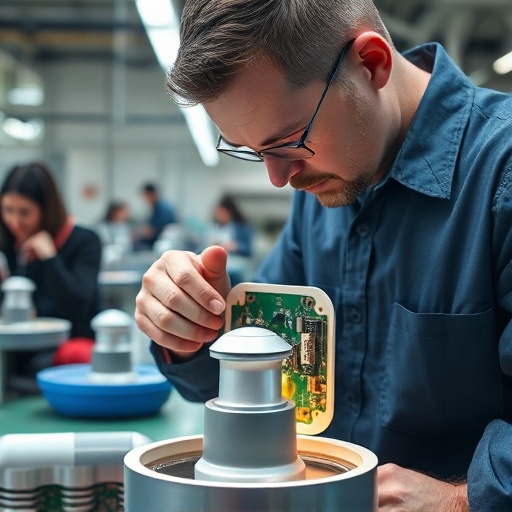
We must also talk about the physical environment inside the feeder. Food dust is highly invasive. Over months of operation, microscopic particles of pulverized kibble migrate into the gear housing. If the gears are unsealed and lubricated with cheap grease, this dust forms a grinding paste that destroys the plastic teeth. I always look for sealed gearbox assemblies and food-grade silicone impellers that can flex rather than snap when under load.
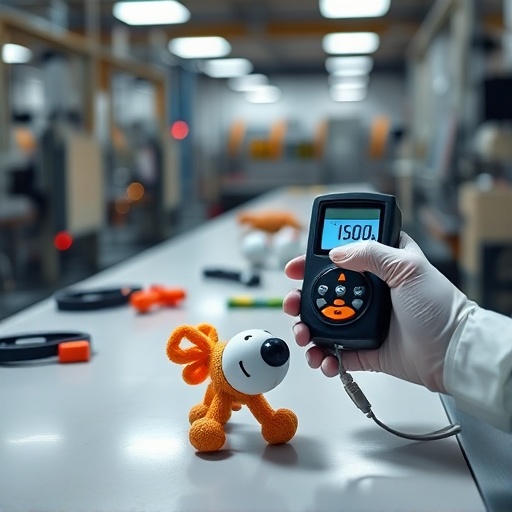
Sourcing from a factory that boasts ISO 9001 certification is not enough. You need to verify their actual testing protocols. Do they run physical ISTA vibration tests on packaged units? If not, those delicate solder joints are at risk before they even land on a retail shelf. Always partner with manufacturers holding robust RoHS and FCC certifications to guarantee structural and electrical integrity. If you want to bypass these common engineering pitfalls, you can leverage DDPark 10+ Years Manufacturing Expertise. To secure reliable, field-tested inventory, you can Request a Free OEM Quote from DDPark today.
Calculating the real cost of a 10% failure rate is an eye-opening exercise for most B2B buyers. If you import 5,000 units and 500 break within the first year, your margins are wiped out by reverse logistics, customer support labor, and replacements. It is far cheaper to pay a 15% premium at the factory level for a device with a potted PCB, a Japanese-brand capacitor, and a reinforced drive shaft. Do not let a supplier convince you that a one-year warranty covers your brand’s reputation. Once a pet parent posts a video of a failed feeder leaving their cat hungry over a weekend, recovery is incredibly difficult.
Frequently Asked Questions
Q: What is the most common hardware failure in cheap pet feeders?
A: The most common failure is the motor or impeller pump jamming, followed closely by cheap PCB soldering cracking due to daily use and vibration.
Q: Can a smart pet feeder still work if the WiFi drops out?
A: High-quality feeders store automatic meal scheduling locally on the device, ensuring your pet is fed even if the local network connection drops.
Work with DDPark
Partner with DDPark to access factory-direct OEM pricing, robust OTA firmware updates, comprehensive overheat protection, and rigorous 100% aging tests before shipment. Explore DDPark Smart Pet Product Catalog to upgrade your product line today.
Ready to Start Your OEM Order?
Contact our B2B team today for pricing, MOQ, and custom branding options.