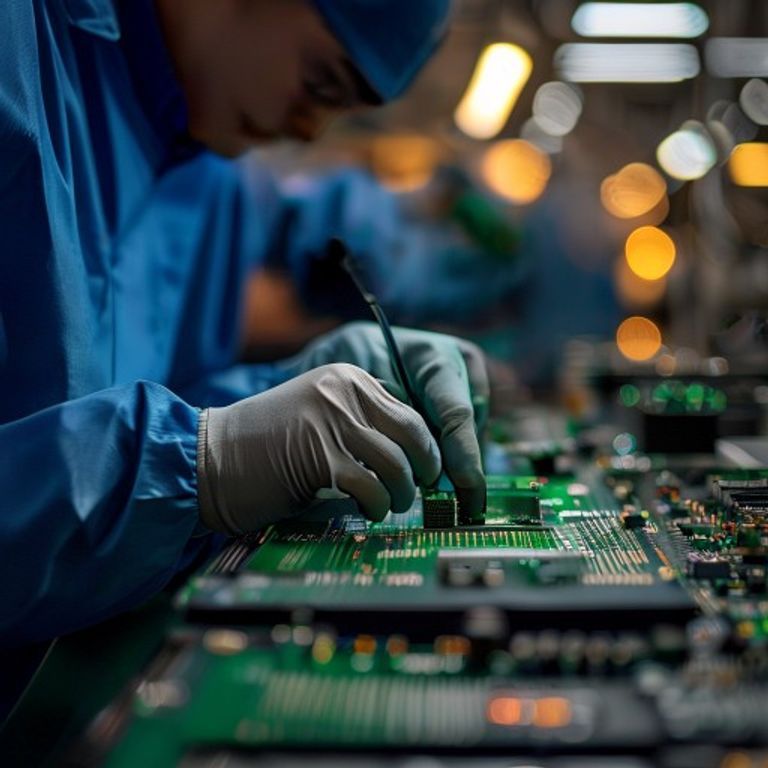
Ninety percent of smart pet feeders on the market today are ticking customer-service time bombs, built in facilities that treat IoT electronics like cheap plastic toys. If you want to survive this cutthroat market, you must understand that the ultimate green flag for smart pet feeder manufacturers is a dedicated RF isolation chamber for testing WiFi modules, while the fatal red flag is the use of unbranded, single-core microcontrollers that drop offline after three months. Spotting these differences requires looking past the glossy brochures.
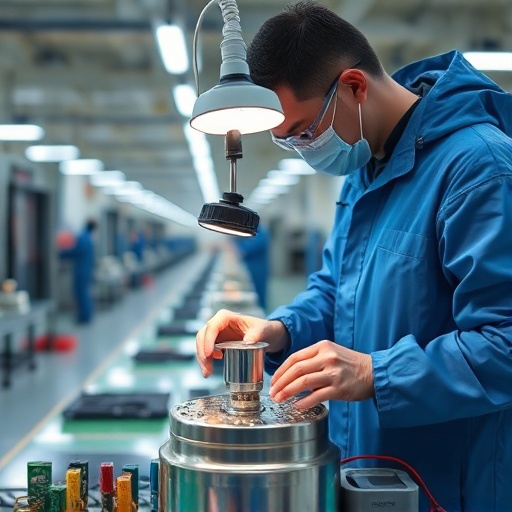
Step onto the factory floor and listen. The high-pitched whine of an ultrasonic plastic welder fills the room, accompanied by the faint, metallic scent of heated solder. Down on Line 3 of a bustling manufacturing facility, a technician in an ESD smock carefully calibrates the infrared dispensing sensors of a newly assembled smart feeder. Just a few feet away, a worker uses blue tape to mark unstable cartons on the line, pulling them aside for a rigorous drop-test packaging assessment. In the world of hardware production, these tiny, real-time interventions are the thin line between a highly successful product launch and a catastrophic wave of retail returns.
Sourcing products for the rapidly expanding IoT pet ecosystem is a minefield. Distinguishing between world-class factories and subpar assembly shops is a high-stakes challenge that most buyers fail on their first attempt. Understanding the subtle nuances of smart pet feeder manufacturers red flags and green flags will save your brand thousands of dollars in warranty claims and protect your hard-earned reputation. Whether you are an established brand or an emerging pet tech startup, navigating these manufacturing indicators is essential for long-term commercial success.
Table of Contents
1. Red Flags on the Factory Floor: Hardware and QC Pitfalls
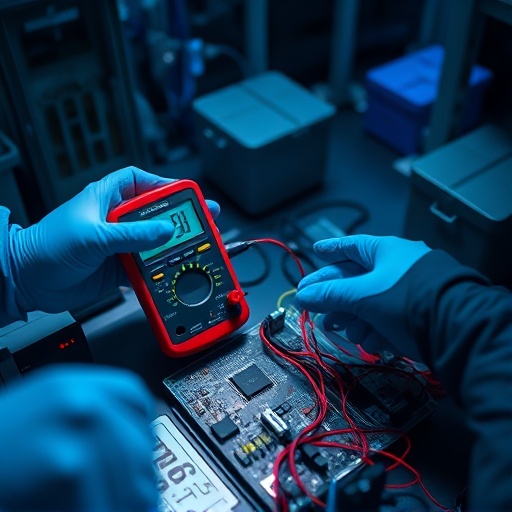
Hardware shortcuts are easy to hide under a sleek plastic casing. In smart hardware manufacturing, cheap components yield temporary savings but long-term failure. A classic failure case in the industry involved a brand experiencing widespread WiFi module failure after 3 months. The root cause was traced back to a cheap PCB supplier selected by the factory to shave pennies off the Bill of Materials (BOM). The ultimate fix required a complete production halt and a switch to a high-quality ESP32 module to ensure stable, long-term cloud connectivity.
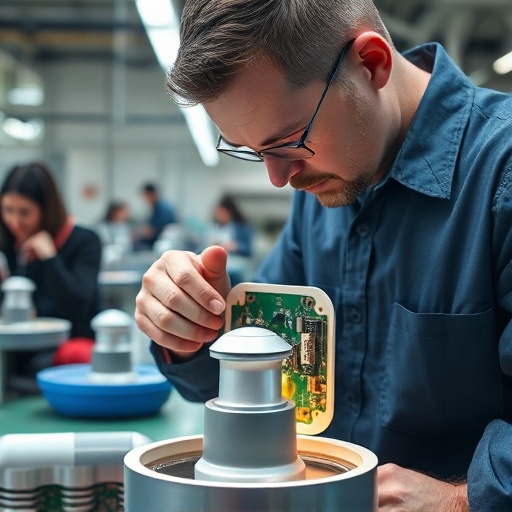
Look closely at the testing stations. Another major warning sign is a high rate of false-positive sensor triggers during the IQC inspection (Incoming Quality Control) stage. If a factory’s quality control standards allow loose tolerances, pet owners will soon complain that the automatic meal scheduling system fails because the sensors mistakenly detect blockages. If you see workers manually pressing down on dispensing impellers to check resistance instead of using digital torque gauges, walk away. A manufacturer’s inability or unwillingness to provide verifiable BSCI and ISO9001 certifications is an immediate red flag, signaling a lack of standardized manufacturing processes and ethical labor practices.
Cheap tooling is another classic red flag. When a factory uses worn-out injection molds, you will notice flashing—excess plastic along the seams—and uneven gaps where the components meet. This isn’t just an aesthetic issue. In a smart pet feeder, uneven gaps allow moisture to seep into the internal electronic compartments during cleaning, leading to short circuits. If the factory floor is cluttered with unsorted regrind plastic (recycled scrap), your final product will be brittle and prone to cracking during shipping.
To avoid these pitfalls, brands must partner with manufacturers that prioritize component integrity over cheap, unbranded hardware. You can Explore DDPark Smart Pet Product Catalog to see how premium component sourcing translates into reliable, market-ready designs.
2. Green Flags: Engineering Excellence and Compliance
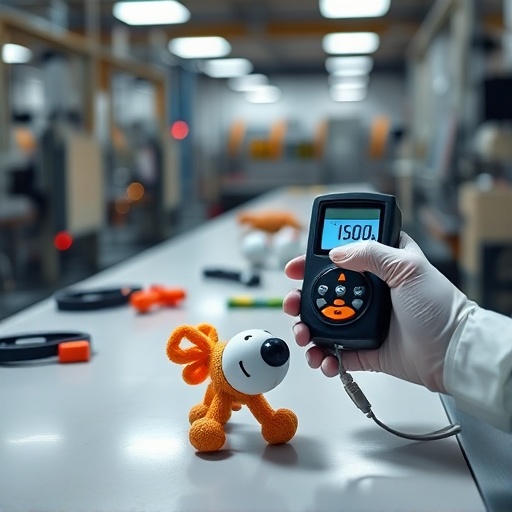
Walk into a world-class facility, and the green flags are obvious through transparency and rigorous testing standards. A reliable factory will gladly showcase their laboratory, where they conduct drop-test packaging procedures, high-temperature environmental exposure tests, and continuous motor life-cycle runs. They prioritize safety and durability, utilizing certified BPA-free materials for all food-contact zones and integrating robust hardware such as a magnetic pump for wet-food variants or heavy-duty, anti-jamming gear motors for dry kibble dispensers.
In my experience, stainless steel bowls are worth the extra cost. They prevent feline acne caused by bacteria buildup on plastic surfaces, are significantly easier to sanitize, and elevate the premium feel of your product line in the eyes of discerning consumers.
Software stability is the silent green flag. A premier manufacturer won’t just hand you a finished hardware shell; they will have a dedicated firmware team that understands Over-The-Air (OTA) updates. If a factory cannot demonstrate how they push secure firmware patches to resolve connection bugs post-launch, your brand will be left holding the bag when the next iOS or Android update breaks your app’s Bluetooth pairing sequence.
Forward-thinking factories also demonstrate a commitment to continuous hardware iteration. For example, in 2025: Many OEMs moved to dual-core ESP32 with better power management. This upgrade yielded around 15.4%-40.7% improvement in standby battery life during power outages, ensuring that pets never miss a scheduled meal even when the home’s primary electrical grid and WiFi network go offline.
3. Buyer Reality vs. Marketing Hype
When selling to commercial clients or high-volume distributors, it is vital to separate marketing gimmicks from functional utility. The buyer reality is clear: Kennel operators need feeders that run 24/7 – reliability matters more than features. If a device fails to dispense food because a complex mobile app is undergoing a server update, the product has failed its primary objective.
The honest truth is that not every smart feeder needs app control—some buyers just want reliability and straightforward, localized automatic meal scheduling. In fact, over-engineering the app is often a cover for poor physical assembly. By offering a balanced product line that includes both ultra-reliable, offline-programmable models and advanced IoT-connected units, you can capture a wider demographic of pet owners and commercial facilities.
If you are ready to develop a product line tailored to these diverse market needs, you can Request a Free OEM Quote from DDPark to consult with our engineering team on the ideal feature set for your target audience.
4. Manufacturing Specifications Comparison
Benchmarking potential partners requires hard data. To help you evaluate candidates, the table below outlines the structural differences between standard, premium, and DDPark OEM production standards:
| Feature / Spec | Standard Factory (Red Flags) | Premium Factory (Green Flags) | DDPark OEM Standard |
|---|---|---|---|
| WiFi PCB Module | Unbranded, low-cost single-core chip | Standard ESP32 or Tuya module | Dual-core ESP32 / Matter-ready module |
| Food Bowl Material | Basic ABS plastic (non-certified) | BPA-free plastic or standard stainless steel | Food-grade SUS304 stainless steel |
| Dispensing Mechanism | Low-torque motor, prone to jamming | High-torque motor with basic anti-jam | Self-reversing silicone impeller (zero jam) |
| Certifications | None or self-declared only | ISO9001, CE, FCC | ISO9001, BSCI, CE, FCC, RoHS |
| Power Backup System | Alkaline batteries only (fast drain) | Dual-power supply switchover | Dual-power with optimized ESP32 deep sleep |
5. Future Trends: AI-Powered Pet Health Monitoring
Pet tech is moving beyond simple scheduling. Today, AI-powered pet health monitoring is becoming a key differentiator in the premium segment. But what does this mean practically for brands and developers? Many brands rush to slap ‘AI’ on their packaging without actual hardware support.
True innovation lies in the physical sensors. Instead of merely dispensing kibble, next-generation smart feeders utilize high-precision weight sensors and optical cameras to track eating speed, consumption volume, and behavioral anomalies. By integrating these sensors into a broader IoT pet ecosystem, the feeder can flag potential health issues—such as sudden loss of appetite or rapid eating—and send real-time health monitoring alerts to the pet owner’s smartphone. Aligning with a manufacturer capable of integrating these complex software-hardware arrays ensures your brand remains highly competitive as the market evolves.
Partnering with an experienced manufacturer is the most direct path to bringing these advanced technologies to market. With DDPark 10+ Years Manufacturing Expertise, you gain access to a seasoned R&D team capable of translating complex AI algorithms into reliable consumer electronics.
Frequently Asked Questions
Q: What is the most common hardware failure in cheap smart pet feeders?
A: The most common failure is a WiFi module failure after 3 months, usually caused by a cheap PCB supplier. Upgrading to a dual-core ESP32 module resolves this connectivity issue.
Q: Why are stainless steel bowls preferred over plastic ones in smart feeders?
A: Stainless steel bowls are highly durable, hygienic, prevent feline acne, and are much easier to clean, making them well worth the extra manufacturing cost.
Q: What certifications should a reliable smart pet feeder manufacturer hold?
A: A reputable manufacturer should hold internationally recognized certifications, including ISO9001 for quality management systems and BSCI for social compliance.
Work with DDPark
Accelerate your pet tech brand with a manufacturing partner built on engineering excellence. DDPark offers Matter-protocol ready hardware, custom logo and packaging options, stable Tuya cloud connectivity, and flexible low-MOQ support to help you scale seamlessly. Contact us today to discuss your smart pet product roadmap.
Ready to Start Your OEM Order?
Contact our B2B team today for pricing, MOQ, and custom branding options.