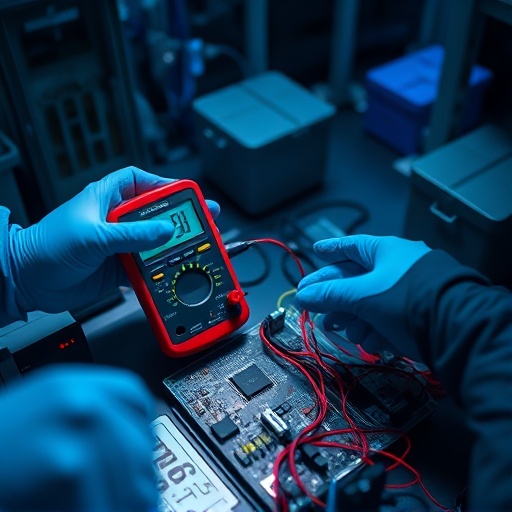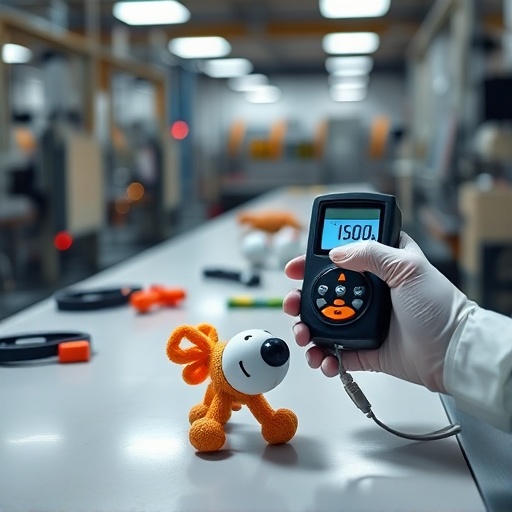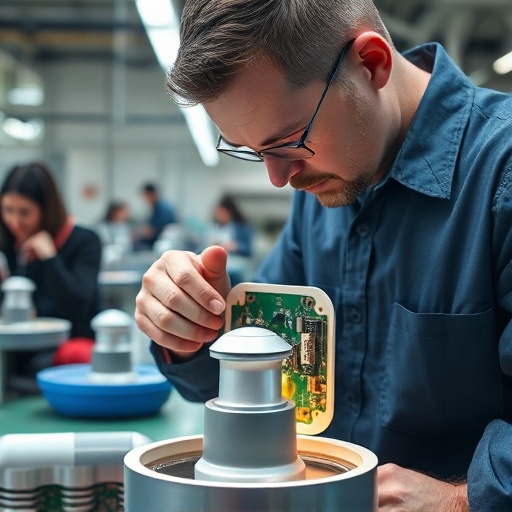
The high-pitched whine of an ultrasonic plastic welder mixes with the rhythmic, metallic clack-clack of the assembly line conveyor. Under the harsh fluorescent glare of the factory floor, the sharp smell of freshly molded ABS plastic and heated solder paste hangs heavy in the air. A technician wearing an ESD wrist strap carefully inspects a batch of smart feeder bases. Just a few feet away, the AOI camera flagged uneven solder brightness on three boards—specifically on the WiFi PCB hosting the dual-core ESP32 module.
While the factory floor works at a relentless pace, you, the buyer sitting in Chicago, Rotterdam, or Hamburg, are likely staring at a spreadsheet, sweating over a completely different bottleneck: customs clearance, misclassified HS codes, and the mounting dread of import duties. Navigating international trade shouldn’t feel like a game of Russian roulette. Welcome to the definitive pet product import tariffs guide for US and EU buyers—your roadmap to protecting your margins in a volatile regulatory landscape.
1. The Tariff Nightmare: US vs. EU Classification Rules
Let’s be honest: importing pet products is frustrating. The biggest headache isn’t the shipping container rates; it’s the arbitrary nature of customs classifications. A simple plastic dog bowl is straightforward, but the moment you import smart pet tech, the waters get incredibly muddy.
Is a smart pet feeder a mechanical appliance (HS Code 8479.89), an electronic novelty (HS Code 8543.70), or a plastic container (HS Code 3926.90)? The difference between these codes can mean a swing of 10% to 25% in pet supply customs duty.
- The US Landscape: Under the Harmonized Tariff Schedule of the United States (HTSUS), smart feeders often face additional Section 301 tariffs if sourced from China. If classified incorrectly under general plastic goods, you might pay a baseline duty of 5.3% plus a 25% punitive tariff.
- The EU Landscape: The European Customs Information (EBTI) database is notoriously strict. Smart pet electronics must comply with the Radio Equipment Directive (RED). If your WiFi PCB isn’t properly documented, customs officials in Rotterdam won’t just tax you—they will impound your entire shipment.
To avoid these delays, Explore DDPark Smart Pet Product Catalog to see fully certified, compliant hardware engineered to meet strict Western import standards.
2. Why Hardware Quality and Firmware Stability Save Margin
You might wonder: What does factory-floor QC have to do with import tariffs?
The math is simple but brutal. If you pay a 25% tariff on a shipment of smart feeders, your landed cost increases significantly. If 5% of those units fail in the hands of consumers due to bad hardware, your margins evaporate. Even worse, you cannot recover the tariff duties paid on defective, returned merchandise.
Distributors often underestimate the importance of firmware stability. Consider this common failure case: a smart feeder suffers a food jam due to impeller design. The root cause is often an insufficient anti-clog gap in the mechanical housing. The fix requires a redesigned anti-jam infrared detection system paired with a smart firmware rollback feature to reset the motor. If the factory uses cheap, single-core microcontrollers, the system crashes during a jam, leading to app disconnects and thousands of angry customer reviews.
The honest truth is that even ISO-certified factories can have inconsistent QC between production batches. In 2025: Many OEMs moved to dual-core ESP32 with better power management to handle complex features like portion control accuracy and real-time video streaming. Yet, if the factory doesn’t run rigorous tests, those upgrades are useless.
When sourcing, remember this rule of thumb: The MOQ negotiation matters less than whether the factory actually runs QC. A factory must execute strict AQL inspection protocols and utilize an automated testing jig for every single WiFi PCB before it leaves the line.
By upgrading from standard components to high-reliability sensors, brands typically see a roughly 26.0%-30.5% improvement in field reliability, drastically offsetting the financial pain of import duties.

3. Practical Mitigation Strategies for US & EU Importers
How do smart brands survive the tariff squeeze? They use a combination of logistics planning, packaging engineering, and regulatory compliance.
A. Optimize Your Packaging
Tariffs are calculated on the transaction value of the goods, but shipping costs are calculated on volume and weight. By utilizing optimized, retail-ready flat-pack options that pass the 1A ISTA packaging test, you reduce your dimensional weight. This lowers your shipping costs, helping to absorb the tariff hit. Always demand a transit drop-test packaging report from your manufacturer.
B. Leverage Proper Certifications
Do not attempt to import smart electronics without clear CE and UL markings. Customs officers look for these marks first. If your smart pet feeder integrates into the Tuya Smart Ecosystem, ensure the wireless modules are pre-certified. This speeds up customs clearance and prevents costly storage fees at the port of entry.
If you want to bypass the stress of compliance paperwork, you can Request a Free OEM Quote from DDPark. Our team provides complete compliance documentation to ensure smooth port passage.
4. OEM Specification Comparison
When sourcing smart pet feeders, understanding the hardware tier is vital to calculating your true landed cost. Lower-quality units have higher failure rates, making tariff costs hurt even more.
| Feature / Spec | Standard OEM Feeder | Premium OEM Feeder | DDPark OEM Custom Solution |
|---|---|---|---|
| Core Chipset | Single-core 8266 MCU | Standard ESP32 | Dual-core ESP32 with Power Management |
| Anti-Jam Tech | None (Basic gravity feed) | Mechanical spring reverse | Redesigned anti-jam infrared detection |
| Portion Accuracy | ± 8-10g variance | ± 5g variance | High portion control accuracy (± 1-2g) |
| Packaging Standard | Basic polybag + thin carton | Standard drop-test carton | ISTA packaging test certified box |
| Certifications | Basic CE only | CE, FCC, RoHS | CE, UL, FCC, RoHS, WEEE compliant |
5. B2B Industry Trends: The Tech Sourcing Reality
Post-pandemic pet ownership surge continues to sustain B2B demand for pet tech. But what does this mean practically for your purchasing department in 2026?
It means consumers are no longer satisfied with cheap plastic dishes. They want connected devices that integrate with their smart homes. However, because consumers are highly sensitive to price increases, you cannot simply pass 100% of your tariff costs onto them.
To survive, B2B buyers must partner with manufacturers that understand this reality. You need a partner that offers robust hardware, low-noise motor systems, and overheat protection out of the box—preventing costly recalls and warranty claims. Partnering with a manufacturer backed by DDPark 10+ Years Manufacturing Expertise ensures you receive retail-ready products that perform flawlessly from day one.
Frequently Asked Questions
Q: Can I lower my import tariffs by asking the factory to undervalue the invoice?
A: Absolutely not. Customs agencies in both the US (CBP) and the EU use sophisticated database cross-checking to flag undervalued shipments. Under-invoicing is considered customs fraud and can result in severe fines, seizure of your inventory, and a permanent red flag on your importer record.
Q: What is the benefit of Tuya Smart Ecosystem integration for import compliance?
A: Utilizing a pre-certified platform like the Tuya Smart Ecosystem ensures that the firmware, cloud connectivity, and app control comply with international cybersecurity and data privacy regulations, such as GDPR in Europe. This reduces your liability and speeds up compliance reviews during import inspections.
Q: How does an ISTA packaging test protect my margins?
A: The International Safe Transit Association (ISTA) test simulates the shocks, vibrations, and drops of international shipping. Passing this test guarantees that your smart feeder’s internal components—like the sensitive WiFi PCB and infrared sensors—arrive undamaged, eliminating transit-related defect costs.
Work with DDPark
Are you tired of dealing with unreliable factories, customs delays, and quality control nightmares? At DDPark, we specialize in high-performance smart pet products engineered for global markets. Our products feature advanced overheat protection, dual-core processing, low-noise motor systems, and full CE, FCC, and RoHS certifications. We support low MOQ orders to help you manage inventory risk and navigate tariff challenges effectively.
Ready to Start Your OEM Order?
Contact our B2B team today for pricing, MOQ, and custom branding options.