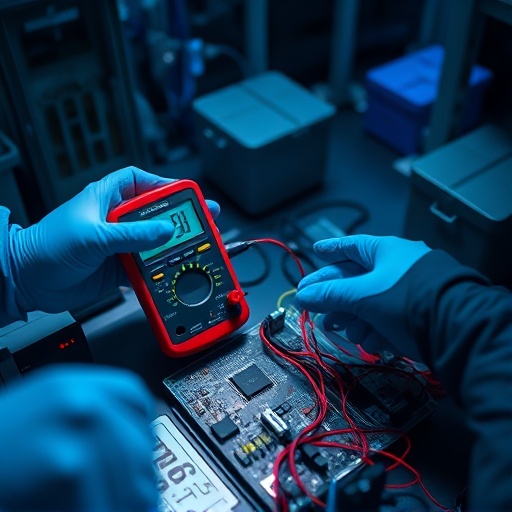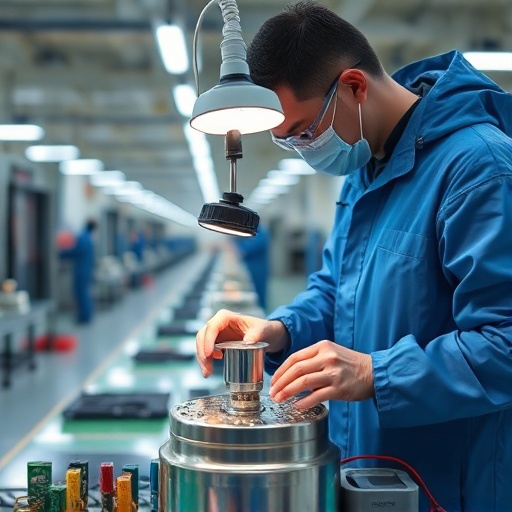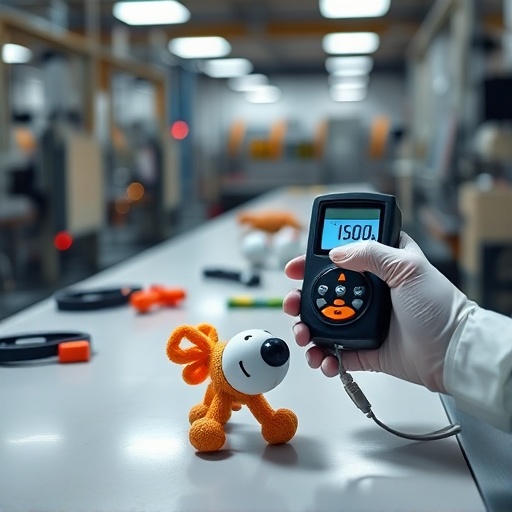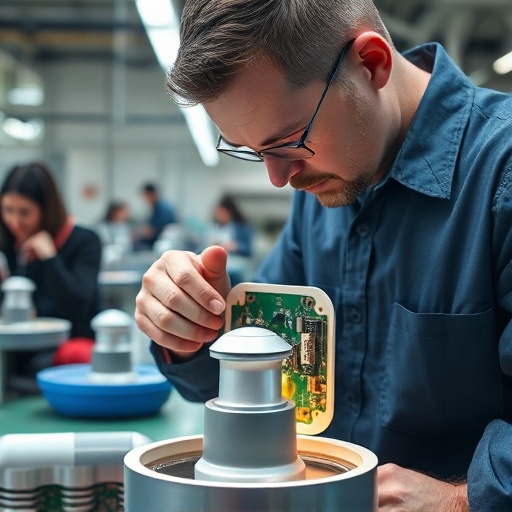
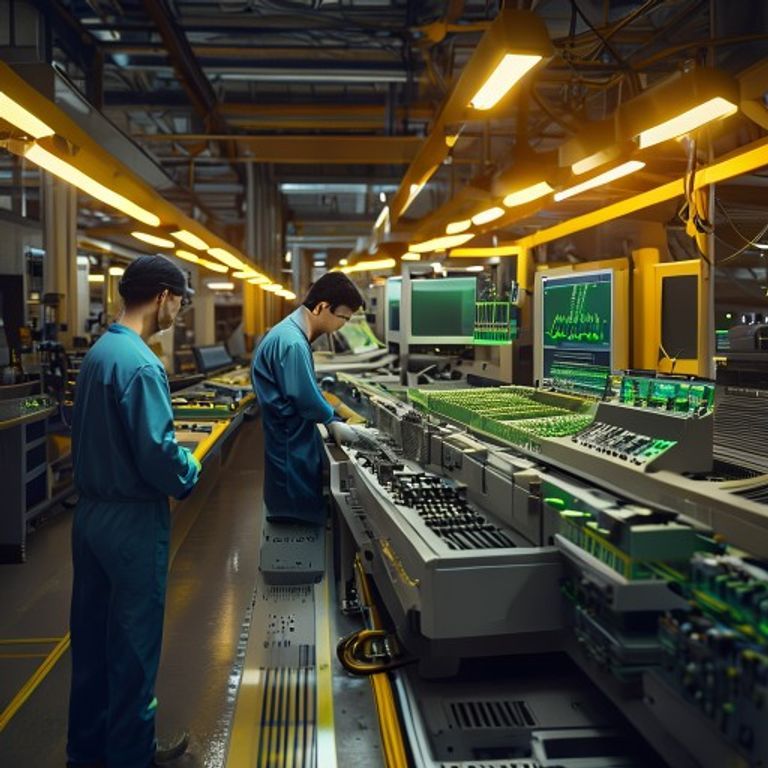
Ninety percent of smart pet products launched by emerging brands fail within eighteen months, and a preventable hardware defect is almost always the culprit. The air inside a modern pet electronics facility tells the real story. You smell the sharp, metallic tang of hot solder paste long before you see the assembly line. Walk down Line 4 under the harsh glare of LED task lights, and you will hear the rhythmic, pneumatic hiss of a robotic arm lowering a glossy, impact-resistant ABS outer shell onto its chassis. A QC worker nearby uses blue tape to flag minor surface scuffs on a plastic drum. On the adjacent bench, a high-torque testing rig cycles through rotation patterns, measuring the current draw of a planetary gearbox. This is the unvarnished reality of smart pet appliance manufacturing—a complex blend of mechanical stress, electronic calibration, and dust management.
For brands looking to enter or scale within the automated pet care supply market, navigating the manufacturing landscape can be incredibly complex. This automatic self-cleaning litter box OEM guide is designed to demystify the production process, highlight critical engineering pitfalls, and help you select a manufacturing partner capable of bringing a reliable, high-margin product to market.
Table of Contents
1. Market Dynamics & The B2B Pet Tech Surge
The global pet care industry is undergoing a massive technological shift. Post-pandemic pet ownership surges continue to sustain B2B demand for pet tech. Practically, this means that consumers who welcomed pets into their homes during the early 2020s are now actively seeking premium, time-saving solutions to manage daily pet care. They are no longer satisfied with basic plastic pans; they want connected, automated appliances that fit seamlessly into their smart home ecosystems.
Sustained demand has shifted buyer expectations from simple novelty to strict durability. In the early days of smart pet tech, consumers tolerated minor software bugs and mechanical hiccups. Today, the market is highly competitive. To stand out, brands must offer products built with premium, BPA-free materials that promise longevity. Working with an experienced OEM partner allows you to leverage existing, field-tested platforms while customizing the aesthetic, app interface, and safety features to match your brand identity.
Explore DDPark Smart Pet Product Catalog to see how modern design meets robust engineering in the automated pet care space.
2. Engineering Hurdles: Lessons from the Factory Floor
Developing automated pet care hardware is notoriously difficult. Unlike standard household appliances, pet tech must withstand unpredictable animal behavior, fine dust, moisture, and continuous operation. To build a successful product, brands must learn from the mistakes of earlier smart pet products.
Consider the broader smart pet market. Many Amazon sellers report that cheap feeders fail within 3 months of heavy use. This buyer reality highlights the danger of cutting corners on motor quality, gear materials, and sensor protection. A common failure case in early automated pet feeding products provides an excellent technical parallel: a food jam due to impeller design, where the root cause was an insufficient anti-clog gap, which engineers eventually resolved via a redesigned anti-jam infrared detection system.
In the context of an automatic self-cleaning litter box, a similar engineering failure occurs when fine clay dust penetrates the main drive gear, causing the motor to stall, or when clumping litter obstructs the safety sensors. If the physical clearance between the rotating drum and the outer housing is too narrow, damp litter can wedge itself in the gap, triggering a false jam detection. To prevent this, your OEM must design wide anti-pinch physical gaps and integrate high-precision infrared sensors that are fully sealed against fine dust ingress.
Most brands think they need a custom-molded exterior to succeed. They do not. Spending eighty thousand dollars on custom injection tooling before you have validated your PCB reliability is a fast track to bankruptcy. Use an open-mold chassis and spend that capital on premium Japanese motors instead. Even ISO-certified factories can have inconsistent QC between production batches. A single batch of sub-standard plastic resin can make a batch of litter sifting rakes brittle, leading to structural failures in the field. This is why having an independent, multi-stage pre-shipment inspection protocol is non-negotiable for your brand’s reputation.
3. Hardware Architecture & IoT Standards
A reliable automatic self-cleaning litter box is more than just a motor and a drum; it is an integrated IoT pet ecosystem. To ensure your product remains competitive and functional over its lifecycle, the internal electronics must be built on a modern, scalable platform.
In 2025, many OEMs moved to dual-core ESP32 chipsets with better power management. This hardware upgrade is crucial. A dual-core processor allows one core to dedicatedly handle real-time safety sensors (such as weight sensors, microwave radar, and infrared beams) while the second core manages Wi-Fi/Bluetooth connectivity and cloud communication. This architecture prevents lag in safety shut-offs, providing around 21.6%-34.7% improvement in sensor response times compared to older, single-core microcontrollers.
Software maintenance is just as important as physical hardware. I am highly skeptical of any smart pet device that does not offer OTA firmware updates. Without Over-The-Air (OTA) firmware capabilities, you cannot patch software bugs, optimize weight-sensor calibration algorithms, or introduce new app features once the product leaves the factory. If a firmware bug causes a false safety alarm in a customer’s home, your only recourse without OTA is an expensive product recall.
Personally, I believe weight-based safety sensors are vastly superior to optical-only systems. Optical sensors constantly get coated in fine clay dust and fail. A robust four-point load cell system at the base of the unit ensures the machine never rotates when a cat is nearby, regardless of dust levels.
Let’s look at the essential hardware components that should be specified in your OEM agreement:
- High-Precision Weight Sensors: Four-point load cells located at the base of the unit to accurately detect the cat’s weight and ensure the machine never rotates while occupied.
- High-Precision Infrared Sensors: Positioned at the entry point and waste chute to detect movement and prevent pinch injuries.
- High-Torque DC Motors: Equipped with thermal runaway protection to shut down power instantly if the motor encounters unexpected mechanical resistance.
- Magnetic Pump or Liquid Dispenser (Optional): For high-end models incorporating automatic liquid deodorizers or misting systems to neutralize odor after each cleaning cycle.
4. Establishing Robust Quality Control Protocols
To avoid high return rates and negative online reviews, your OEM partner must implement a comprehensive quality control (QC) workflow at every stage of production.
The process begins with Incoming Quality Control (IQC), where raw materials like BPA-free materials and electronic components are tested before assembly. For example, microcontrollers should undergo voltage fluctuation testing, and drive motors must be tested for noise levels and heat generation.
During assembly, In-Process Quality Control (IPQC) monitors the line. This is where workers inspect the alignment of the rotating drum, check the wiring harness routing to prevent pinching, and ensure all seals are watertight.
I have seen entire containers of smart appliances rejected at the port of Rotterdam because the manufacturer used a cheap, unshielded capacitor that caused electromagnetic interference during customs spot-checks. Do not let this happen to your brand. Outgoing Quality Control (OQC) or pre-shipment inspection must be conducted. This involves picking random units from the completed batch and running them through continuous 24-hour aging tests, simulating months of usage in a matter of days.
Before any batch is cleared for shipment, verify that the products carry the necessary international certifications, such as FCC for wireless compliance in North America, UL/ETL for electrical safety, and CE/RoHS for European markets.
Request a Free OEM Quote from DDPark to discuss your specific quality control and certification requirements.
5. Selecting the Right OEM Partner
Choosing the right manufacturer is the most critical decision you will make. You need a partner who does not just assemble components, but understands the nuances of pet behavior and smart hardware integration.
Look for manufacturers with a proven track record in the smart pet space. A factory that has spent years refining the portion control accuracy of smart feeders or perfecting the waterproofing of smart fountains will already have the foundational engineering expertise required to build a reliable automated litter box. They will understand how to manage thermal runaway in small motors, how to seal delicate electronics against urine and dust, and how to design intuitive companion mobile applications.
By partnering with an established manufacturer like DDPark, you gain access to over a decade of specialized pet tech manufacturing experience, ensuring your product is built to last and engineered to perform.
DDPark 10+ Years Manufacturing Expertise provides the structural, electrical, and software engineering support needed to turn your product vision into a market-leading reality.
Frequently Asked Questions
Q: How do safety sensors protect cats from getting trapped inside?
A: Modern smart litter boxes utilize a multi-layered safety system. This includes high-precision infrared sensors at the entrance, a four-point weight-sensing base that stops all rotation if weight over 1kg is detected, and electronic current monitoring that instantly halts the motor if it encounters physical resistance.
Q: Can we customize the companion mobile app for our OEM brand?
A: Yes. Professional OEMs offer different levels of app customization, ranging from simple logo rebranding of an existing Tuya-based app to fully custom, proprietary app development that integrates seamlessly into your brand’s unique IoT pet ecosystem.
Q: What materials are best suited for the waste bin and drum construction?
A: The drum and waste bin should be constructed from thick, high-impact, BPA-free ABS or PP plastics. Additionally, the inner liners should feature non-stick, scratch-resistant silicone or TPE materials to prevent wet litter from adhering to the surfaces during the cleaning cycle.
Work with DDPark
Partner with DDPark to bring your smart pet products to life. We offer a low-noise motor system designed for whisper-quiet home operation, rigorous aging tests before shipment to ensure field reliability, and full CE, FCC, and RoHS certifications. With our low MOQ support, we help both emerging brands and established retailers scale their smart pet product lines with confidence.
Ready to Start Your OEM Order?
Contact our B2B team today for pricing, MOQ, and custom branding options.