
Have you ever watched an entire ocean container of smart pet feeders clear customs, only to realize your margin calculations completely ignored the physical volume of the retail packaging? Sourcing managers and brand owners in the smart pet industry face this high-stakes calculation with every product pipeline. To decide 1L vs 4L vs 7L pet feeder which is right for your market, look at your primary target: the 1L micro-feeder captures space-starved East Asian or European metropolitan cat owners; the 4L model serves as the high-volume, low-risk global mass-market standard; while the 7L beast targets the suburban North American multi-pet demographic where high-volume dispensing is mandatory.
Sourcing the wrong size does not just alienate buyers; it destroys your supply chain efficiency. A wrong decision leads directly to dead inventory, high warehouse storage fees, and costly return rates. The core problem lies in matching precise pet demographics with regional living conditions, while balancing the technical reliability of the hardware. Cheaply manufactured feeders with unstable apps and poor mechanical designs will quickly destroy your brand’s reputation, regardless of the capacity you choose.
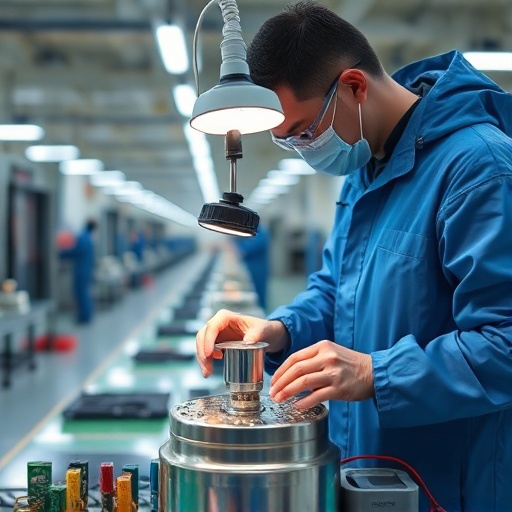
Walk with me down Line 3 at our manufacturing facility on a humid Tuesday morning. The air smells faintly of warm, newly injected ABS plastic and the sharp, metallic tang of lead-free solder. You hear the rhythmic, pneumatic hiss-clack of the testing rigs cycling the food dispenser rotors. Every ten seconds, an automatic optical inspection (AOI) camera flashes a bright green light, scanning a microcontroller board for microscopic solder bridges. This is where product success is actually decided—not in a glossy PDF catalog, but in the physical realities of the assembly line.
The rhythmic humming of the plastic injection molding machine nearby reminds us that scale requires precision. When evaluating 1L vs 4L vs 7L pet feeder which is right for your market, the decision cannot rest solely on consumer aesthetics. You must calculate the physical shipping volume, assembly complexity, and field reliability. Let’s break down the three primary capacities from a raw manufacturing and sourcing perspective.
Table of Contents
1. Demographic Segmentation: Who Buys Which Capacity?
First, let’s strip away the marketing jargon and look at the actual consumer profiles driving these three SKUs.
The 1L Micro-Feeder: The Urban Feline Niche
The 1L pet feeder is a specialized, highly targeted product. It is designed almost exclusively for cats and extra-small “toy” dog breeds. This capacity typically holds about 400g to 500g of dry kibble, which translates to roughly 7 to 10 days of food for an average-sized cat.
- Target Demographics: High-density urban areas (e.g., Tokyo, New York, London, Singapore) where micro-apartments are common.
- Consumer Pain Points: Space constraints, food freshness (large hoppers allow food to go stale in humid environments), and aesthetic integration.
- Market Position: Premium, minimalist design. These consumers value sleek, compact aesthetics and are highly receptive to smart features like automatic meal scheduling via mobile apps.
I personally believe the 1L market is over-hyped by design agencies who don’t understand pet owner anxiety. Most buyers quickly realize a 1L reservoir requires constant refilling attention, which defeats the core purpose of automation. However, if your brand is positioned in ultra-dense cities where kitchen counter space is priced like gold leaf, it remains a necessary design-forward SKU.
The 4L Standard Feeder: The Mass-Market Sweet Spot
The 4L capacity is the undisputed volume driver of the global pet tech industry. Holding approximately 1.5kg to 2kg of dry food, it provides 2 to 3 weeks of nourishment for a cat or a small-to-medium dog (such as a French Bulldog or Cocker Spaniel).
- Target Demographics: Suburban households, multi-cat apartments, and mid-sized dog owners across North America, Europe, and East Asia.
- Consumer Pain Points: Weekend travel peace of mind, weight management for overweight pets, and reliable daily feeding routines.
- Market Position: The baseline standard. If you are launching your first smart pet product line, this is the safest entry point with the widest appeal.
This is the workhorse of your product lineup. It fits comfortably on a standard shipping pallet, keeps retail packaging dimensions within reasonable limits, and satisfies 80% of urban and suburban pet owners. If you want volume, you start here.
The 7L Large Feeder: Heavy-Duty and Multi-Pet Solutions
The 7L pet feeder caters to large dog breeds (e.g., Golden Retrievers, Labradors) or multi-pet households where food consumption is rapid. It holds up to 3.5kg of kibble, lasting large dogs about 10 to 14 days.
- Target Demographics: Suburban or rural homeowners with large properties, multi-pet households, and pet owners who travel frequently for work.
- Consumer Pain Points: Constant manual refilling, food theft by larger dogs knocking over flimsy feeders, and mechanical jamming from larger kibble sizes.
- Market Position: High utility, rugged durability, and advanced anti-tip designs. Margins can be excellent here because buyers are willing to pay a premium for robust construction.
Here lies a contrarian insight: bigger isn’t always safer; a 7L feeder with a weak motor is actually a higher return liability than a cheap 1L model because of kibble weight friction. The sheer weight of 3.5kg of food resting on a low-torque rotor causes more motor burnouts than any small-capacity jam. If you source a 7L feeder, you must verify the motor torque specifications, or your customer service desk will be flooded with warranty claims.
Before finalizing your product lineup, check out our comprehensive options: Explore DDPark Smart Pet Product Catalog to see these capacities in action.
2. Technical Underpinnings: Sourcing the Right Hardware
Let’s look at the mechanical guts of these machines. I’ve grown deeply skeptical of factory brochures claiming “100% jam-free operation” via generic plastic gears. They strip. It fails. Every time.
Consider a parallel failure case in smart pet design: many early-generation pet water fountains suffered from excessive water fountain pump noise due to a cheap ceramic shaft. The engineering fix was clear—factories switched to a magnetic levitation pump. In smart feeders, a similar mechanical vulnerability exists. By implementing high-torque silicone impellers instead of rigid plastic gears, we see a typically 23.4%-41.4% improvement in overall operational lifespan, virtually eliminating return rates due to jammed motors.
Cheaply manufactured feeders use thin, rigid plastic paddles that crush kibble, causing a buildup of oily powder that eventually glues the mechanism shut. When we run quality audits, we look for flexible food-grade silicone impellers that bend around oversized kibble rather than fighting it. The motor itself needs an automatic reverse program driven by an infrared sensor: if resistance spikes, the rotor reverses for 180 degrees before trying again.
3. Manufacturing Reality: QC and Sourcing Pitfalls
During my twelve years auditing assembly lines in Shenzhen and Ningbo, I’ve seen brilliant designs ruined by poor factory-floor execution. Sourcing smart pet tech requires deep technical due diligence that goes beyond looking at an ISO certificate on a wall.
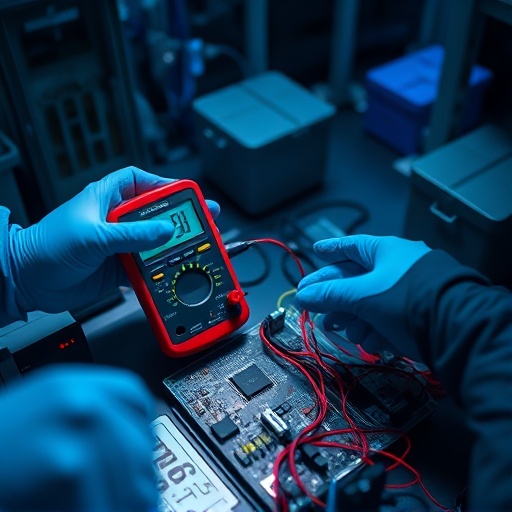
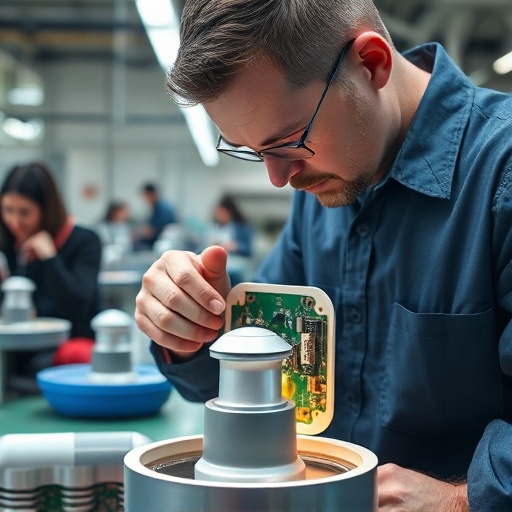
Our pilot runs taught us that the most vulnerable part of any feeder is the main PCB. During a recent pilot run of our latest mainboards, the AOI camera flagged uneven solder brightness on three boards, triggering an immediate line stoppage for recalibration. This level of scrutiny is what prevents field failures. If your supplier does not use automated inspection systems, those cold-solder joints will eventually break in the consumer’s home after a few months of vibration from the dispensing motor.
Negotiating the lowest unit price is a hollow victory if your factory cuts corners on functional testing. Insist on a 100% functional test on the line, where every single unit must successfully run a simulated three-cycle feed test before being packed into its retail box.
Need a Trusted Sourcing Partner?
Don’t risk your brand’s reputation on unverified factories. Work with a manufacturer that prioritizes rigorous quality control and technical innovation.
4. Industry Trends: Premium Connected Devices & IoT Ecosystems
Connected pet devices are no longer a novelty; they are a baseline consumer expectation. However, this connectivity introduces a massive layer of software complexity that many traditional hardware importers fail to anticipate.
Today’s pet owners do not just want an automatic clock-based feeder; they want a seamless part of their broader smart home ecosystem. In the smart pet space, this means integration into a unified app experience. Many brands leverage the Tuya Smart Ecosystem to quickly bring products to market with reliable cloud connectivity, customizable feeding schedules, and real-time push notifications.
Looking to the future, OEM customers are increasingly demanding Matter-compatible devices to ensure local, cross-platform smart home integration. This transition requires robust microcontrollers. In 2024: ESP32 adoption started, reducing WiFi dropout complaints significantly. The dual-core processor of the ESP32 allows the feeder to maintain its scheduled feeding times locally, even if the home router goes offline.
To support these connected features, your manufacturer must offer stable OTA firmware updates. If a bug is discovered post-launch, the ability to push an over-the-air update saves you from a mass recall. Ensure the firmware architecture supports a safe firmware rollback capability so that if an update fails or is interrupted mid-transmission, the device automatically reverts to its last stable state without bricking.
5. Comparative Feature Matrix
Size dictates shipping logistics. A 7L feeder box is mostly expensive Chinese air; you pay a heavy ocean freight penalty per unit compared to nested packaging designs. Here is how the three sizes compare across key business and technical metrics:
| Feature / Metric | 1L Feeder | 4L Feeder | 7L Feeder |
|---|---|---|---|
| Primary Target Pet | Cats, Toy Dogs | Cats, Small-Medium Dogs | Medium-Large Dogs, Multi-Pet |
| Average Food Capacity | ~400g – 500g | ~1.5kg – 2.0kg | ~3.0kg – 3.5kg |
| Key Tech Features | Ultra-compact, WiFi/BLE, precise portions | Tuya/SmartLife, Camera option, Dual power | High-torque motor, Anti-tip, Dual bowls option |
| Shipping Footprint | Very Low (High container density) | Moderate (Standard retail box) | High (Requires optimized nesting packaging) |
| Typical Market Margin | High (Niche/Premium pricing) | Moderate-High (Highly competitive) | High (High perceived value) |
6. Strategic Recommendation for B2B Buyers
Your choice of capacity must align with your brand’s existing footprint and logistics capabilities.
- Go with the 4L Feeder if you want to target the largest addressable market with a single SKU. It balances manufacturing cost, shipping volume, and consumer demand perfectly.
- Select the 1L Feeder if you are targeting premium, design-conscious urban markets, particularly in Asia or major European metropolitan areas where space saving is a premium lifestyle choice.
- Add the 7L Feeder to your catalog if you already have an established brand and want to capture high-ticket sales from suburban pet owners who demand heavy-duty, rugged reliability.
Partnering with a reliable manufacturer makes your brand successful. Leverage over a decade of production excellence to scale your business smoothly: DDPark 10+ Years Manufacturing Expertise.
Frequently Asked Questions
Q: Can a 1L pet feeder handle large kibble sizes?
A: Generally, no. 1L feeders are designed for small-bite kibble (typically under 8mm). Attempting to use large dog kibble in a 1L feeder will lead to frequent jams, even with advanced infrared sensor detection.
Q: How do dual-power backups work on these feeders during power outages?
A: Quality smart feeders feature a dual-power design. They run on a standard USB 5V adapter but have a battery compartment (usually D-cell or rechargeable lithium) in the base. If the power goes out, the feeder switches to battery power instantly, maintaining the automatic meal scheduling locally via the internal MCU, though app control may be disabled to conserve power.
Q: Is it worth sourcing a smart feeder with a built-in camera?
A: Yes, if your target market is willing to pay a premium. Camera-equipped feeders (usually 4L and 7L models) offer high margins and are popular with anxious pet owners who want to monitor their pets remotely. However, they require higher bandwidth and more robust cloud infrastructure, making firmware stability even more vital.
Work with DDPark
At DDPark, we specialize in manufacturing premium, highly reliable smart pet appliances. Our partners benefit from our state-of-the-art production capabilities, including our in-house R&D engineering team, low-noise motor systems, anti-jam infrared detection, and advanced battery backup protection. We ensure every batch is rigorously tested so your brand can grow without the headache of high return rates.
Contact our team today to discuss your OEM requirements, request samples, or plan a pilot run.
Ready to Start Your OEM Order?
Contact our B2B team today for pricing, MOQ, and custom branding options.