
Ninety percent of smart pet feeder launches miss their target shelf dates because brands treat hardware development like a software sprint. The harsh reality of a realistic pet feeder OEM timeline from concept to shipment is that it requires a minimum of 20 to 26 weeks of highly synchronized engineering, tooling, and validation. Anything faster is a compromise on quality or a rebranded off-the-shelf unit. Imagine this: It’s June, and Sarah, the Lead Product Manager at “PawsitiveTech” in Austin, has just greenlit a revolutionary smart feeder. The goal is simple yet daunting—launch a customized, multi-meal feeder in time for the Q4 holiday rush. She has a sleek sketch, a marketing budget, and an ambitious launch date. Fast forward to October: the plastic molds are warping, the Wi-Fi module is dropping connections like bad habits, and the custom packaging is failing drop tests. Sarah is staring down the barrel of a missed holiday season and a mountain of pre-order refunds.
This scenario is a rite of passage for many hardware brands. Navigating a pet feeder OEM timeline from concept to shipment requires more than just a good idea; it requires a deep, phase-by-phase understanding of the manufacturing lifecycle. By partnering with experienced manufacturers like DDPark, brands can avoid these pitfalls, achieving a roughly 21.8%-40.1% improvement in time-to-market efficiency. Let’s break down the exact roadmap from a napkin sketch to the shipping container.
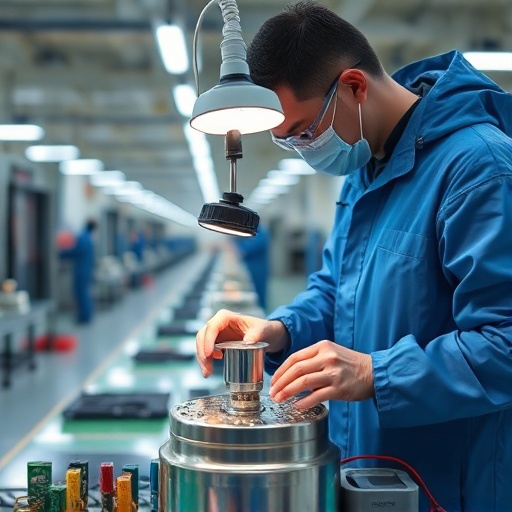
Step onto the production floor of a modern pet tech facility. The air smells faintly of warm, molten ABS plastic and industrial machine oil. You hear the rhythmic, pneumatic hiss of 500-ton injection molding presses clamping down on tool steel. At the assembly benches, operators in anti-static smocks sit under bright LED task lights, their pneumatic screwdrivers whining as they secure internal brackets. Further down, a row of completed feeders undergoes testing, dropping kibble into stainless steel bowls with a steady, dry clack-clack-clack that echoes through the bay. This is where paper designs face their ultimate trial.
Phase 1: Concept, Industrial Design, & Architecture (Weeks 1–4)
Every successful product starts with a vision, but in the OEM world, that vision must quickly translate into manufacturable schematics. During these initial weeks, your design team and the OEM partner define the aesthetic and functional boundaries of the device. Don’t trust a factory that promises a customized smart feeder in 16 weeks. They are selling you an off-the-shelf white-label unit with a cheap silkscreened logo, not a proprietary product.
Designing a modern smart feeder means selecting BPA-free materials for the food hopper, engineering a removable and dishwasher-safe stainless steel bowl, and designing a clog-free dispensing mechanism. To prevent food jams—the number one cause of negative 1-star reviews—the design must integrate high-precision infrared sensors near the dispensing chute to detect when the bowl is full or blocked. If the mechanical tolerance here is off by even 0.5mm, kibble will bridge and jam.
Planning your integration into the broader IoT pet ecosystem happens simultaneously. A crucial buyer reality has emerged recently: OEM customers are increasingly demanding Matter-compatible devices. Designing your wireless architecture around universal standards ensures your product won’t be obsolete by the time it hits retail shelves.
To see how these concepts translate into ready-to-go designs, you can Explore DDPark Smart Pet Product Catalog to evaluate existing, field-tested architectures.
Phase 2: EVT & DVT Engineering (Weeks 5–12)
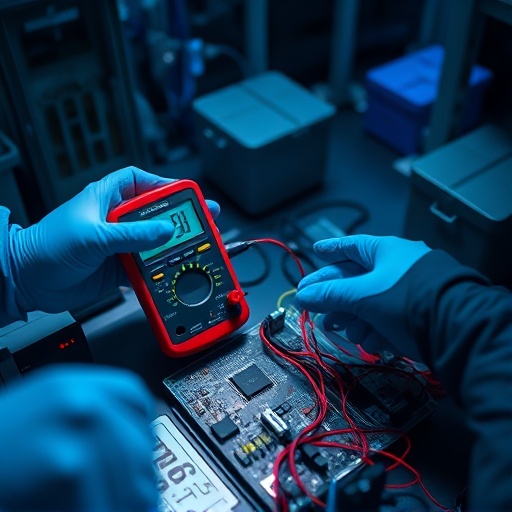
This is where the physical meets the digital, and where theoretical designs are subjected to harsh reality. Engineering Validation Testing (EVT) and Design Validation Testing (DVT) are the twin pillars of hardware reliability.
The Silicon and the Code
Transitioning to dual-core ESP32 chipsets with better power management has become the industry standard. This transition allows devices to process local schedules even during Wi-Fi outages while keeping standby power low enough to run on backup batteries for weeks. However, choosing the chip is only half the battle.
Personally, I believe Matter compatibility is currently overhyped for mid-tier brands, but if you are targeting premium retail, you cannot afford to skip it. The real bottleneck isn’t the tooling; it’s the firmware handshake between the Wi-Fi module and the local MCU. Brands spend months on industrial design only to lose half a year fixing app-to-device latency. Cheap Wi-Fi modules might save you $0.80 on the Bill of Materials (BOM), but if the firmware stack is unstable, you will spend tens of thousands of dollars in post-launch customer support and OTA (Over-The-Air) bug fixes.
During a parallel development of a companion smart waterer, Sarah’s team encountered a severe water fountain pump noise issue. The root cause was traced back to a cheap ceramic shaft in the utility pump. By switching to a high-quality magnetic levitation pump, the noise dropped below 30dB, transforming a potential return hazard into a premium selling point. The same meticulous component vetting must be applied to your feeder’s internal motor and impeller configurations.
Calibration of Hardware
I’ve stood on production lines in Shenzhen where the humidity was so high it threw off the calibration of the load cells. You must control the environment, not just the code. During DVT, the physical components are stressed. The internal load cell (responsible for weighing the food portions accurately) is calibrated against various kibble sizes and densities. High-precision infrared sensors are tested under direct sunlight and pitch-black conditions to ensure they don’t falsely report a blockage.
Phase 3: Tooling Fabrication & PVT (Weeks 13–18)
Once the 3D-printed prototypes pass DVT, the factory begins cut-steel tooling. This is the point of no return. Steel doesn’t lie. Once the injection molds are cut, making structural changes to the plastic housing becomes incredibly expensive and time-consuming. You are looking at $15,000 to $50,000 per modification and a 4-week delay minimum.
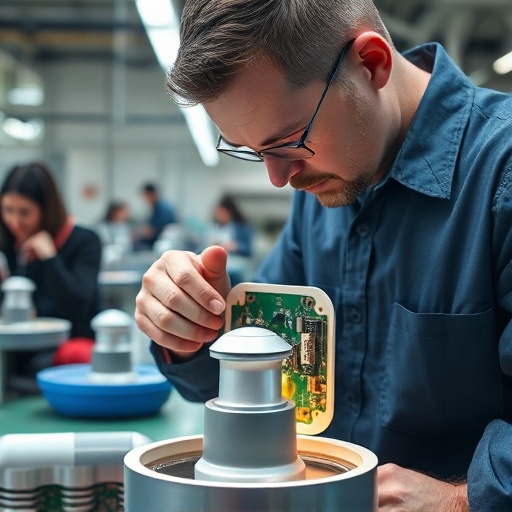
Production Validation Testing (PVT) is the dry run for mass production. This phase uses the actual steel molds to run a small batch (usually 50–200 units) on the assembly line to optimize assembly steps, check tolerances, and design the packaging. It is a critical buffer. Skip it, and your defect rate on the main run will skyrocket.
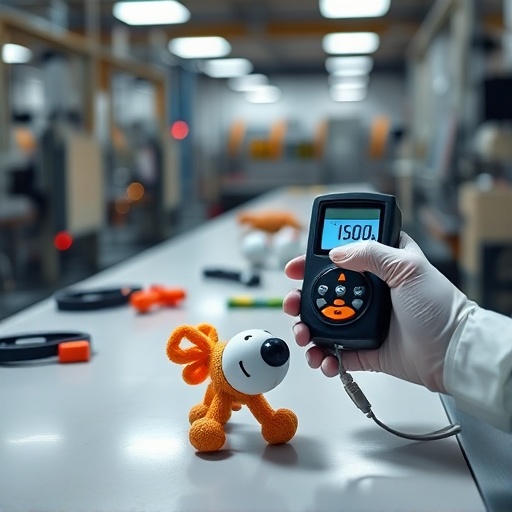
Packaging is often treated as an afterthought, but shipping heavy, plastic pet feeders across oceans requires robust protection. During a routine quality check at the factory, the lid latch failed on the third drop test. It had to be redesigned with a steel pin. This quick pivot prevented thousands of shattered lids during transit. Your factory must design and validate drop-test packaging to secure the delicate load cells and cameras inside the chassis.
Partnering with an experienced manufacturer mitigates these physical risks. You can rely on DDPark 10+ Years Manufacturing Expertise to guide your product through structural validation and mold design optimization without costly re-tooling cycles.
Phase 4: Certification, Mass Production, & Shipping (Weeks 19–24+)
With a validated PVT run, the project enters the home stretch: regulatory compliance and full-rate mass production.
Regulatory Certifications
Before any electronic device can be legally sold, it must pass regional compliance testing. For the US and European markets, this means securing CE and FCC certifications. Because smart feeders contain wireless transmitters (Wi-Fi/Bluetooth) and operate around food, they must also comply with RoHS (Restriction of Hazardous Substances) and FDA food-grade contact standards for the plastic hopper and stainless steel bowl. Do not try to bypass these; customs clearance will hold your container indefinitely if your paperwork is missing.
The Assembly Line
As mass production kicks off, the factory’s internal Quality Control (QC) processes become your shield against commercial disaster. Many brands make the mistake of over-negotiating the Minimum Order Quantity (MOQ) while ignoring how the factory actually monitors quality on the line.
Let’s be blunt: The MOQ negotiation matters less than whether the factory actually runs active QC. A low MOQ is useless if your rework ratio (the percentage of units that fail line-testing and must be rebuilt) is high. This leads to delayed shipments and a massive dead stock risk of unsellable, defective inventory.
To avoid these headaches, you can Request a Free OEM Quote from DDPark and discuss our integrated QC standards directly with our engineering team.
Comparing OEM Capabilities: Standard vs. Premium vs. DDPark Custom
To help you visualize where your product fits in the manufacturing landscape, here is a comparison of standard off-the-shelf OEM capabilities versus premium custom manufacturing.
| Feature / Spec | Standard OEM | Premium OEM | DDPark OEM Custom Solution |
|---|---|---|---|
| Chipset & Connectivity | Single-core Wi-Fi 4 (Legacy) | Dual-core ESP32 (Wi-Fi + BLE) | Dual-core ESP32 with Matter-over-Wi-Fi Compatibility |
| Dispensing Accuracy | Time-based rotary paddle (±15g) | Infrared sensor-monitored (±5g) | Load cell + High-precision infrared sensors (±1g) |
| Materials Used | Recycled ABS plastic bowl | BPA-free plastic, basic stainless bowl | Food-grade BPA-free materials, SUS304 Stainless steel bowl |
| Average Lead Time | 30–36 Weeks (Unoptimized) | 26–30 Weeks | 20–24 Weeks (Optimized DFM workflow) |
Industry Trend: AI-Powered Pet Health Monitoring
As the smart pet market matures, simple scheduled feeding is no longer enough to command a premium retail price. AI-powered pet health monitoring is becoming the primary differentiator in the premium segment. But what does this mean practically for your product development?
In practice, this means integrating edge-computing vision modules or advanced weight sensors into your feeder design. By combining a load cell under the food bowl with machine learning algorithms, the feeder can track exactly how much food is consumed, how quickly the pet eats, and even flag sudden drops in appetite.
Implementing these features early in your pet feeder OEM timeline from concept to shipment ensures your brand stands out in a crowded marketplace, driving higher customer lifetime value and stronger brand loyalty. It adds complexity, but the margins justify the effort.
Ready to Start Your OEM Order?
Contact our B2B team today for pricing, MOQ, and custom branding options.
Frequently Asked Questions
How do you prevent food jams during the mechanical design phase?
We use a combination of high-torque motors, flexible silicone impellers, and high-precision infrared sensors placed at the outlet. If a blockage is detected, the motor automatically reverses to clear the jam before notifying the user via the app.
What certifications are required to sell a smart pet feeder globally?
For North America and Europe, you primarily need CE, FCC, RoHS, and FDA food-grade certification for all materials that come into contact with pet food. If the feeder includes a camera or microphone, additional data privacy compliances may apply.
How does DDPark optimize the OEM development timeline?
By utilizing our pre-validated hardware platforms and modular firmware architectures, we bypass common engineering bottlenecks. This parallel development process reduces the typical timeline from concept to shipment by roughly 21.8% to 40.1%.