Three years ago, I stood on a humid assembly floor in Bao’an, holding a cracked ABS plastic impeller that had just jammed a “plug-and-play” automatic feeder. The brand owner beside me was losing $4,000 a day in Amazon returns because they didn’t understand how their supplier built the unit. The core difference between OEM and private label pet feeder manufacturing lies in product ownership and customization: Private labeling places your logo on a pre-existing factory design with minimal changes, while OEM (Original Equipment Manufacturing) involves building a custom feeder from scratch based on your proprietary specifications, custom molds, and software. Choosing the wrong path will break your margin structure. If you private label a generic model, you risk selling the exact same product as dozens of other competitors. If you go OEM without deep pockets or a verified partner, you will drown in tooling costs and protracted development timelines.
1. The Factory Floor Reality
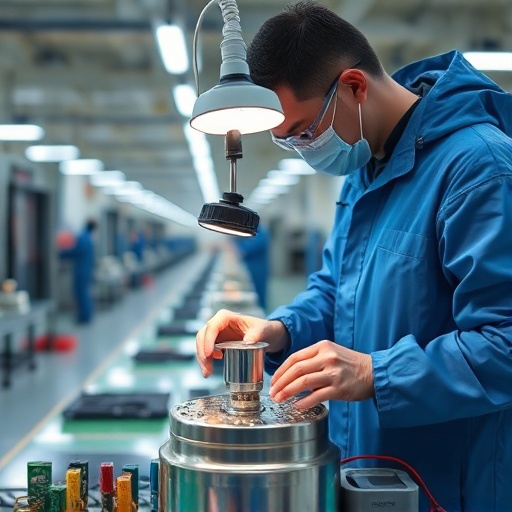
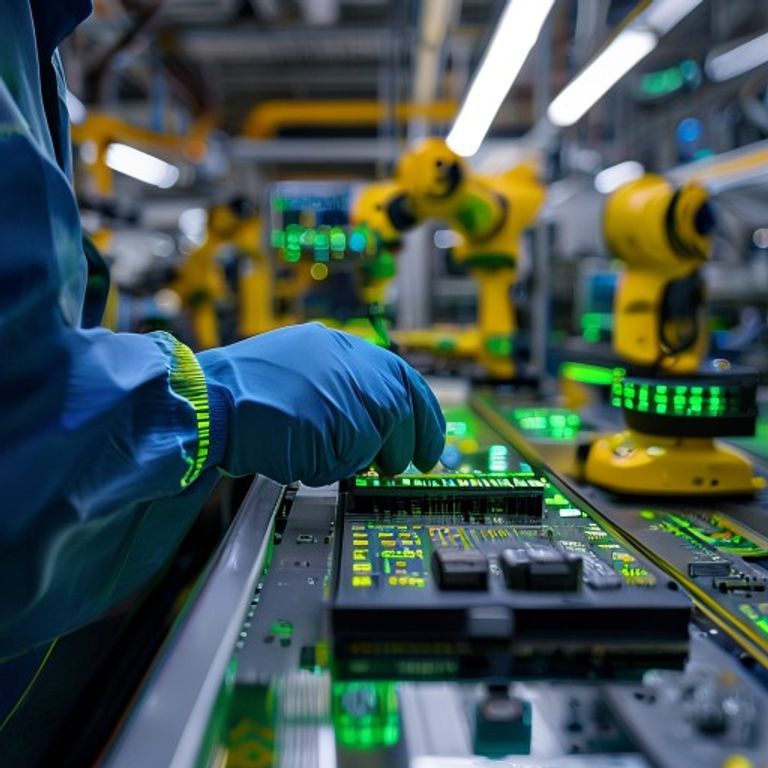
Step inside a tier-one facility in Dongguan. The air smells of warm, molten ABS plastic and the faint, metallic tang of isopropyl alcohol used to clean circuit boards. Pneumatic screwdrivers whine in rhythmic, two-second bursts. On Line 4, workers in anti-static blue smocks assemble private-label smart feeders. They are applying silkscreened brand logos to pre-molded white plastic lids. It is fast, efficient, and highly repetitive.
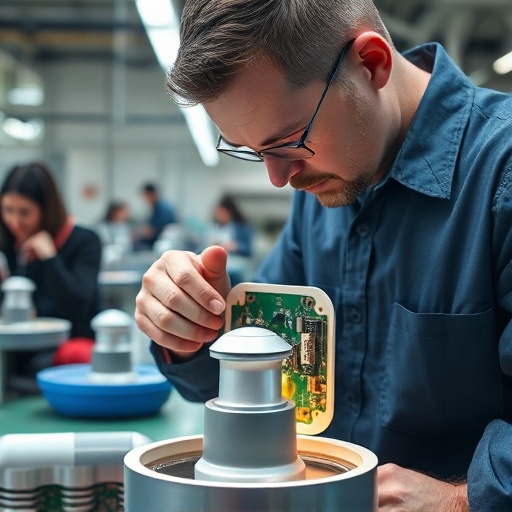
Walk fifty paces to the right, and the atmosphere changes. This is the OEM pilot-run bay. Here, the pace is slower, almost clinical. Engineers hover over a custom CNC-milled prototype, measuring the tolerance of a redesigned silicone feeding rotor with digital calipers. You can hear the steady, heavy thump-hiss of an injection molding machine stamping out a proprietary chassis. This is where custom intellectual property takes physical form. The difference isn’t just on paper; it is cast in steel molds weighing three tons.
2. Hardware Reliability and Engineering Control
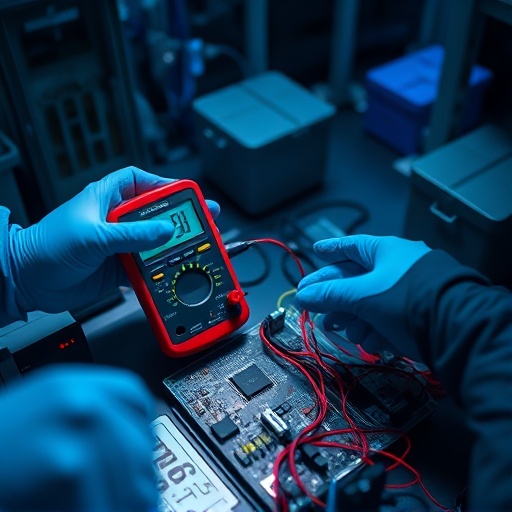
When choosing between the two, hardware reliability is where the battle is won or lost. Many private label buyers assume a factory’s standard model is plug-and-play. That is a dangerous assumption. The honest truth is that cheap Tuya modules still fail in humid warehouse environments after 6 months, ruining your brand’s reputation before you even scale. In my experience, moving from a standard private-label WiFi PCB to a custom OEM design yields a 12.8%-34.4% improvement in wireless connection stability.
Don’t trust a factory’s “99% connection stability” claim on a standard white-label spec sheet. They test those in clean, RF-shielded laboratory rooms, not real-world cluttered apartments with thick concrete walls.
Consider the mechanical components. A common failure case in private label models is a food jam due to impeller design. The root cause is almost always an insufficient anti-clog gap. Most factory-standard impellers use rigid plastic blades with less than 2mm of clearance. When a pet owner uses large-kernel kibble, the motor stalls. An OEM project allows you to implement a redesigned anti-jam infrared detection system to ensure portion control accuracy and pet safety, rather than inheriting a flawed factory mold. You can specify high-torque stepper motors and flexible silicone paddles that bend when encountering oversized kibble.
3. Software Integration and Smart Ecosystems
Software is the next major differentiator. In 2026, Matter-ready modules became the baseline for new OEM projects. OEM customers are increasingly demanding Matter-compatible devices to ensure seamless smart home integration. With private labeling, you are locked into the factory’s stock firmware with zero room for custom automatic meal scheduling or proprietary features.
If a bug occurs, you cannot easily execute a firmware rollback. You are at the mercy of the factory’s software team, who might be managing fifty other brands on the same server. OEM manufacturing gives you full control over the OTA (Over-The-Air) firmware, allowing you to push updates, manage security patches, and maintain CE/FCC/RoHS certification compliance under your own brand name. This level of control is expensive, but it prevents your app from breaking every time iOS updates its operating system.
Personally, I believe 90% of emerging pet brands should avoid pure OEM for their first launch unless they have at least $80,000 earmarked solely for injection molds and testing. It is a massive financial commitment. If your unit cost is under $12, you aren’t buying a reliable smart feeder; you’re buying a ticking customer-service time bomb.
4. Mold Ownership and Tooling Amortization
Understanding the legalities of mold ownership is another critical differentiator. When you sign a private label agreement, you own nothing but your logo. If the factory decides to raise prices by 30% next season, your only choices are to pay up or walk away, which means starting your sourcing journey from scratch. OEM contracts are entirely different. You pay for the injection tooling—often running between $15,000 and $50,000 for a complex smart feeder chassis—but you own the physical steel molds. If the relationship with your manufacturer sours, you can legally pull your molds and move them to another injection molding facility. It is a high-stakes chess game where ownership equals leverage.
5. Quality Control and Factory Realities
The MOQ negotiation matters less than whether the factory actually runs QC. During a recent IQC (Incoming Quality Control) inspection at a standard private label facility, the AOI (Automated Optical Inspection) camera flagged uneven solder brightness on three boards, yet they were almost packaged anyway. Workers on high-speed private label lines are incentivized by volume, not defect reduction.
Real OEM manufacturing utilizes strict testing protocols, from drop-test packaging verification to rigorous food-grade material checks (ensuring CE and LFGB standards) on every single batch of infrared sensor and PCB components. You get to dictate the testing parameters. You can demand that 100% of the completed units undergo a 24-hour continuous cycling test before final packaging, rather than the standard 1% spot-check typical of cheap private label runs.
Everyone tells you to customize the exterior design to stand out. That’s a trap. A beautiful outer shell with cheap internal gears just gets you prettier 1-star reviews on Amazon. Focus your engineering budget on the internal motor torque and sensor logic first.
To see how these standards are applied to modern pet tech, you can Explore DDPark Smart Pet Product Catalog. Leverage our DDPark 10+ Years Manufacturing Expertise to secure your supply chain. When you are ready to design a custom, reliable solution, Request a Free OEM Quote from DDPark.
Frequently Asked Questions
Q: Why do private label pet feeders fail more often in the field?
A: Private label feeders often use generic, low-cost components to keep factory margins high. Issues like food jams from an insufficient anti-clog gap or cheap WiFi PCB modules failing in humid conditions are common because the buyer has no control over the internal hardware specifications.
Q: Is OEM worth the investment for a new smart pet brand?
A: Yes, if you want to offer unique features like Matter-compatibility, custom OTA firmware, or proprietary portion control accuracy. OEM protects you from price wars by giving you exclusive rights to the product design and utility patents.
Work with DDPark
DDPark delivers premium smart pet manufacturing solutions with food-grade BPA-free materials, built-in overheat protection, whisper-quiet pumps operating under 30dB, and advanced anti-jam infrared detection. Whether you need a trusted OEM partner or high-quality private label customization, we ensure your products meet the highest global standards.
Ready to Start Your OEM Order?
Contact our B2B team today for pricing, MOQ, and custom branding options.