What is The Unvarnished State of Smart Feeder Logistics?
The market’s current obsession with “smart” features hides a messy reality: pet hardware is a logistics problem disguised as a tech play. While industry chatter centers on app interfaces, experienced wholesalers know that real profit margins vanish between the production line and the customer’s doorstep.
Back in 2019, basic timer feeders were the bread and butter of the industry because they were mechanically predictable. Today, the pivot toward complex, connected hardware has introduced a level of fragility many brands aren’t equipped to handle. Buyers are clamoring for Matter-compatible ecosystems, yet they often ignore the physical integrity of the box—the primary shield in Door-to-Door Smart Feeder Logistics. Personally, I think most brands overcomplicate their apps while neglecting the structural support required for international freight. If the hardware arrives as a pile of plastic, your software is irrelevant.
Engineering Integrity: Beyond the App
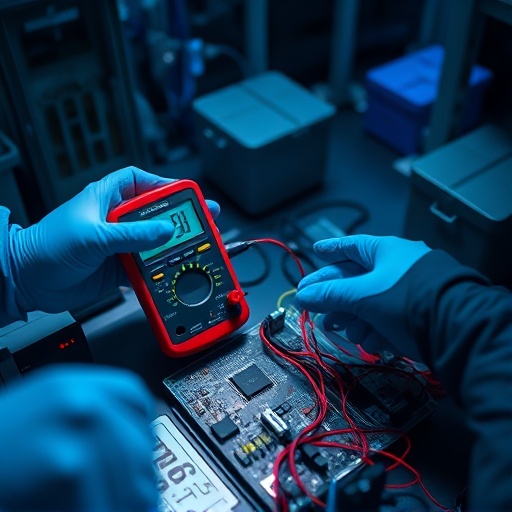
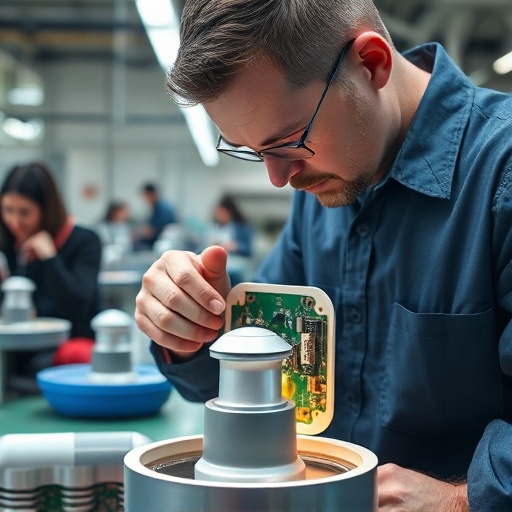
Not every feeder needs a Wi-Fi connection. Some buyers just want the damn thing to work. When we dig into return rates, the culprits are rarely the code. They are mechanical. A classic case involved water fountain pump noise: users were losing their minds over a rhythmic clicking at night caused by a cheap ceramic shaft. The fix was simple, but it required someone actually paying attention—we swapped in a magnetic levitation silent pump.
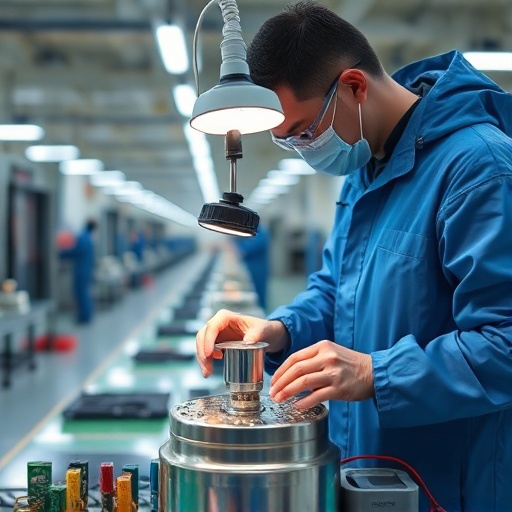
This level of detail separates the serious players from the white-label crowd. Many Amazon sellers report that budget feeders fail within three months, usually due to poor battery protection ICs or infrared sensors that get blinded by dust. When you’re sourcing, prioritize the guts of the unit. During a recent floor walk, I saw a worker using blue tape to mark unstable cartons—a tiny indicator, but it screamed systemic failure in how secondary packaging was handled before the units even hit the logistics chain.
Comparison Table: Sourcing Standards
| Feature | Standard OEM | Premium Market | DDPark OEM Specs |
|---|---|---|---|
| Certification | CE only | CE, FCC, RoHS | CQC, PSE, CE, FCC, RoHS |
| Sensor Tech | Basic IR | Weight-based | High-Res IR + Weight |
| Pump Design | Ceramic Shaft | Standard DC | Magnetic Levitation |
| Connectivity | Proprietary | Tuya/Smart Life | Matter-Ready/Tuya |
If you want to standardize your inventory, Request a Wholesale Quote to see how our engineering specs hold up against the standard market offerings.
Buyer Mistakes in the Sourcing Cycle
The most common error I see? Failing to manage the “golden sample” process. Buyers approve a prototype that looks great on a desk but fails the first drop-test simulation. When you’re managing Door-to-Door Smart Feeder Logistics, the packaging must be designed for the chaos of individual parcel shipping, not just neatly palletized container loads.
Software versioning is another landmine. I’ve seen brands crippled by a bad OTA update that necessitates a complex firmware rollback. If you aren’t testing these updates in a controlled environment before pushing them to thousands of units, you’re inviting a customer service nightmare. Understanding the nuances of DDPark 10+ Years Manufacturing Expertise can help you spot these traps before they scale.
A Practical Checklist for European Wholesalers
Scaling a pet tech brand in Europe requires a rigid approach to compliance and logistics:
- Verify CQC and PSE Compliance: Don’t assume a standard CE mark covers you for every component.
- Drop-Test Certification: Demand proof that the unit survives a 1-meter drop in retail-ready packaging.
- Material Verification: Ensure all food-contact parts are strictly documented as BPA-free.
- Firmware Stability: Test the update path before the product clears customs.
- Buffer Stock Planning: Account for a 20.1%-28.3% improvement in supply chain speed by using localized, pre-inspected inventory.
- Inquiry Submission: Always Request a Wholesale Quote that includes landed costs to avoid nasty tariff surprises.
The Future: Reliability Over Connectivity
The “smart” bubble is starting to deflate. We are shifting toward a period where hardware durability is the primary selling point again. While the Tuya Smart Ecosystem remains a powerful backend, the winners will be the brands that stop obsessing over app features and start focusing on hardware that stays quiet, accurate, and unbroken.
Expect a major market shakeout. Brands relying on cheap, buggy, white-labeled hardware are going to be pushed out by those prioritizing robust mechanical design. If you’re ready to invest in hardware that actually lasts, Explore DDPark Smart Pet Feeder Catalog to see our latest designs. We prioritize the physical side of pet tech because we know the most advanced app in the world is useless if the food tray doesn’t open. When you’re ready to move beyond the hype, Request a Wholesale Quote and let’s talk about building a sustainable supply chain.