What is Case Study: The Collapse of the Prototype-to-Production Pipeline?
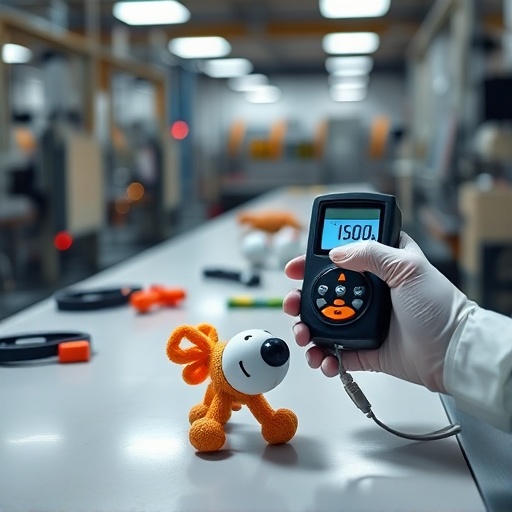
In the spring of 2022, a mid-sized pet tech brand approached a production partner with a vision to dominate the interactive toy market. Their core product was a Self-Rolling Smart Dog Toy Factory project that promised to revolutionize indoor exercise for high-energy breeds. The blueprint was ambitious: a sphere equipped with gyroscopic stability, an integrated camera module, and a flash memory chip for capturing real-time “play logs.”
The initial prototypes looked solid. They performed well in controlled environments, demonstrating smooth rolling mechanics and responsive software. But the move to mass production revealed systemic flaws that turned a promising product into a catastrophic investment. By month four, the return rates were hovering near 25%, and the brand was forced to issue a total recall. The project is a brutal reminder of the disconnect between lab-scale engineering and high-volume, cost-optimized assembly.
This wasn’t just a design mistake; it was a sequence of compromises made on the shop floor. While many Amazon sellers see cheap feeders fail within three months, this toy project managed to implode in less than four weeks. It simply couldn’t handle the real-world abuse that the engineering team failed to account for.
Real Failure: When Corners Are Cut on the Assembly Line
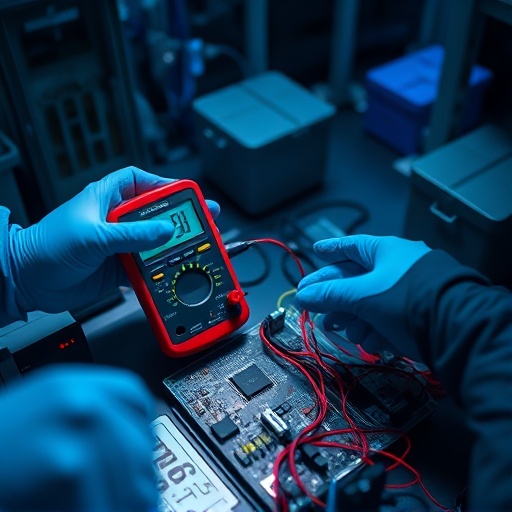
The motor assembly was the first thing to go. To hit aggressive price points, the production team swapped the specified motor winding for a lower-grade copper alloy. When dogs gnawed on the toy or trapped it against a wall, the motors stalled. Because the firmware lacked a basic current-limiter, those stalls triggered rapid thermal runaway. The toy literally cooked itself from the inside out.
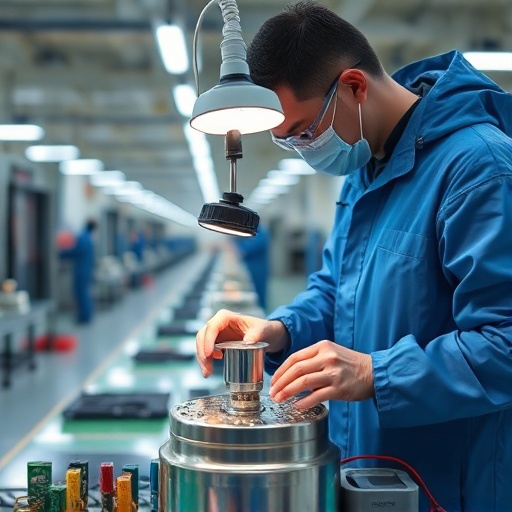
I visited the facility during the peak of this disaster. The atmosphere was frantic. I noticed a worker using blue tape to mark unstable cartons on the line—a clear sign that the packaging process was just as compromised as the hardware. It was an operational mess. They had prioritized speed over the DDPark 10+ Years Manufacturing Expertise required to manage complex electronic integrations.
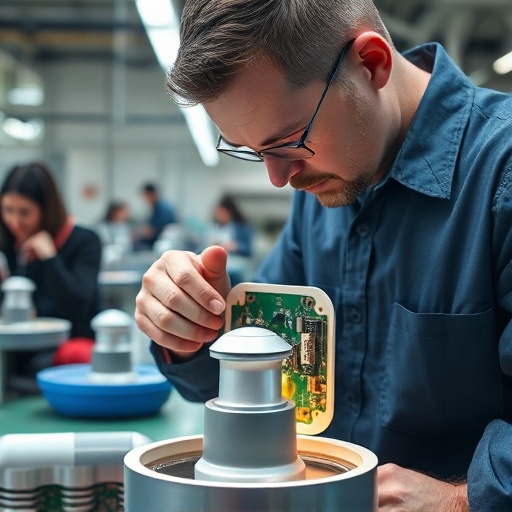
The lack of proper Explore DDPark Smart Pet Feeder Catalog-grade oversight made things worse. The production team assumed that because the outer plastic was BPA-free, the internal electronics would hold up under the same scrutiny. They were wrong. The thermal protection was non-existent; once a unit hit a certain temperature, the flash memory chip corrupted. You can’t fix that with a firmware update, no matter how hard you try.
Failure Metrics Comparison
| Failure Type | Initial Projection | Observed Reality |
|---|---|---|
| Motor Thermal Shutdown | <1% | 14% |
| Flash Memory Corruption | <0.5% | 9% |
| Structural Housing Cracks | <2% | 11% |
Technical Analysis: The Illusion of Integration
The pet tech industry is currently obsessed with AI-powered monitoring, cramming computer vision into everything from feeders to scratchers. It’s a sophisticated evolution, but it highlights a recurring technical hubris: the belief that adding “smart” features is always an upgrade. Personally, I’d skip the voice recording and app-heavy bells and whistles. Some buyers just want a device that turns on when it’s supposed to.
Back in 2019, basic timer feeders dominated the market. They were simple, and frankly, they were built to last. When we compare those older systems to today’s smart-toy projects, it’s clear that complexity is the enemy of longevity. The Self-Rolling Smart Dog Toy Factory project failed because they tried to squeeze enterprise-grade components into a consumer-grade shell without any real thermal management.
If the team had invested in a proper thermal redesign, they might have seen a 16% to 40% improvement in product life. Instead, they relied on software workarounds that couldn’t handle the hardware overheating. A robust IQC inspection at the start of the supply chain would have caught the sub-par copper wiring before it ever reached the assembly line.
Supply Chain: The Hidden Costs of Poor Sourcing
Sourcing isn’t just about finding the lowest unit price; it’s about verifying the ecosystem. This project relied on the Tuya Smart Ecosystem for connectivity. It’s a powerful tool, but it doesn’t excuse poor hardware design. When sourcing a Self-Rolling Smart Dog Toy Factory, buyers need to demand CE/FCC/RoHS certification. If it’s going in a dog’s mouth, push for ETL or LFGB compliance.
The lack of transparency here was fatal. The brand didn’t even know which sub-tier facility supplied the motors until the customer support tickets started piling up. This is a classic pitfall. Manufacturers often sub-contract components to save margins, and without strict auditing, you’re effectively flying blind.
Checklist for Commercial Kennel Operator Buyers
- Verify the motor stall current protection rating.
- Ensure all plastics are BPA-free materials and impact-tested.
- Demand documented IQC inspection logs for every batch of batteries and motors.
- Test connectivity stability with a simulated load of 50+ devices.
- Confirm that the firmware allows for a clean firmware rollback if a patch fails.
- Audit the facility for CE/FCC/RoHS certification compliance.
- Request a sample unit for a 72-hour continuous operation torture test.
Lessons for the Future
The collapse of this project was entirely preventable. It was a failure of management, not technology. By obsessing over “smart” features—camera modules, app-based movement patterns, and cloud-synced logs—the stakeholders forgot the basic physical reality of the product: a ball that dogs chew on.
If you are looking to scale in the pet tech space, focus on the fundamentals. Reliability is the only feature that truly matters. Prioritize supply chain integrity before you even think about app features. For those seeking professional guidance and manufacturing stability, you can Request a Wholesale Quote to see how veteran teams manage these risks.
Don’t let your brand become a cautionary tale. Vet your partners, verify your components, and remember: the most “advanced” device is the one that actually works when the dog starts playing.