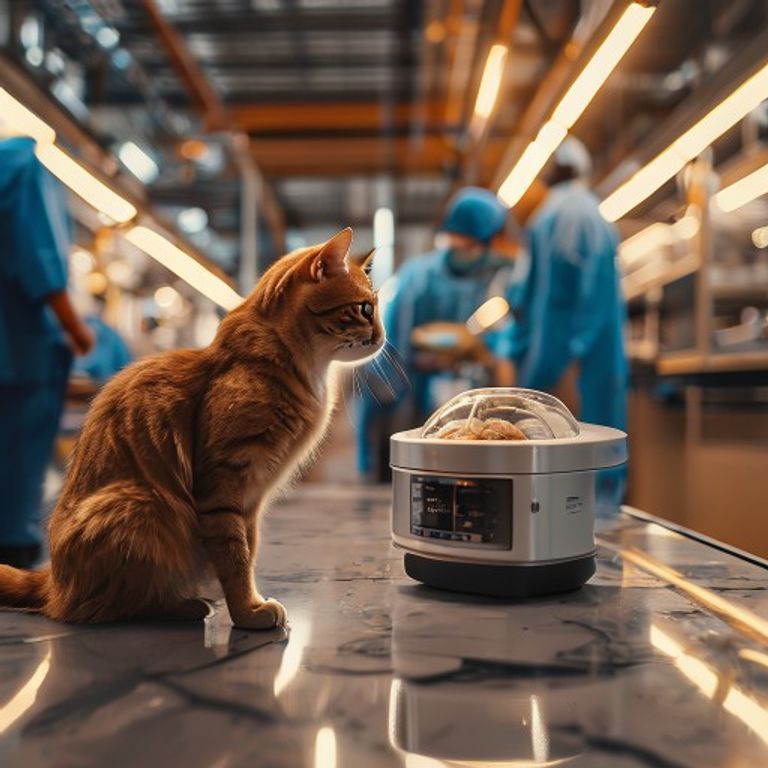
Beyond the Spec Sheet: Vetting Your Pet Feeder Factory
The air inside a top-tier Shenzhen electronics plant has a distinct smell. It is a sharp, metallic tang of ozone mixed with the faint, sweet scent of heated plastic and solder flux. If you have spent enough time in manufacturing, that scent tells you more about the quality of a Smart Home Pet Feeder Supplier than any glossy PDF presentation ever could.
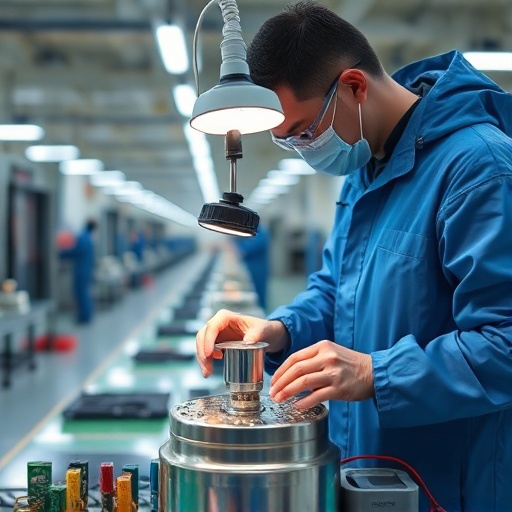
I remember standing on a production floor last October, watching a technician cycle a hopper mechanism for the thousandth time. The rhythmic thwack-whir of the motor was steady. Reassuring. When you are sourcing smart pet tech, the difference between a successful launch and a logistics nightmare often hides in the shadows of the assembly line.
What is The Reality of the Production Line?
Most importers spend their time staring at Alibaba screenshots. They obsess over whether the feeder supports 5GHz Wi-Fi or if the app interface looks like a Silicon Valley startup built it. Whether that actually matters in practice is debatable. A beautiful app means nothing if the dispensing auger jams the first time it encounters a slightly oily kibble.
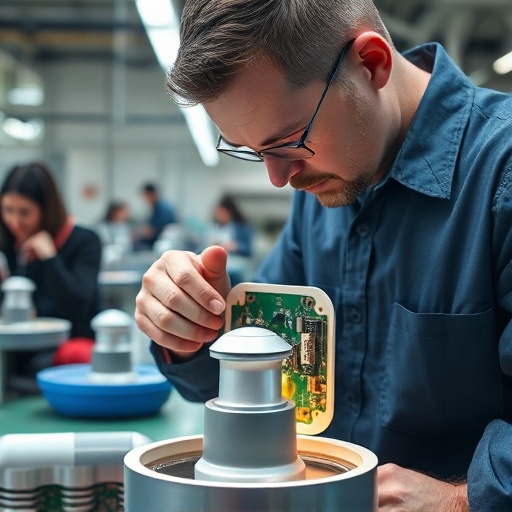
From what we have seen across dozens of factories, the most critical component isn’t the software—it’s the mechanical tolerance of the food path. A small but telling detail on the production line is how the workers handle the optical sensors. If they are tossing them into a bin without anti-static protection, your return rate is going to skyrocket before the product even hits the consumer’s doorstep.
The most common mistake buyers make is assuming that a factory with high-end certifications automatically produces high-end hardware, when in reality, they are often just better at hiding the defects in the paperwork.
Evaluating Your Smart Home Pet Feeder Supplier
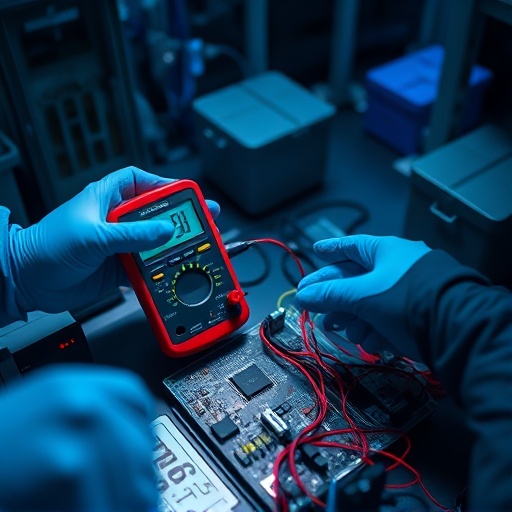
You need to look past the “ISO-certified” banners. Ask to see the burn-in testing area. If a factory tells you they don’t do burn-in testing for their smart feeders, walk away. Period. These devices run 24/7. They deal with high-humidity environments like kitchens and laundry rooms.
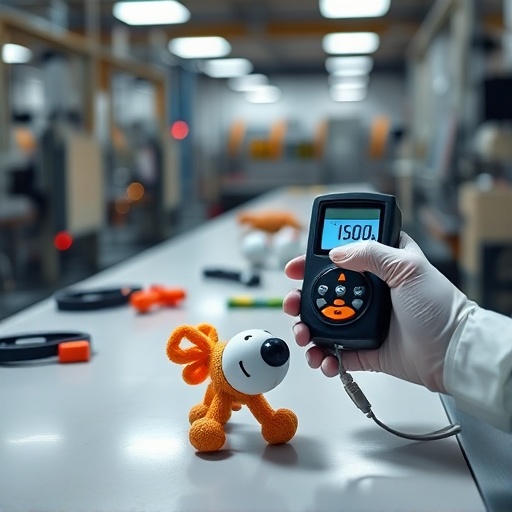
Here is what most importers miss: the motor’s stall-protection firmware. Nine times out of ten, a feeder fails because the motor burns out trying to push a stuck piece of kibble. A competent supplier will have a specific stress test for this. They simulate “jammed” conditions and monitor the current spike. If they can’t show you the data logs for that, they are winging it.
Core Specifications to Demand
- Food Compatibility: Must handle kibble sizes from 5mm to 15mm.
- Connectivity: Reliable 2.4GHz Wi-Fi with offline scheduling (the feeder must work when the internet drops).
- Power Redundancy: Dual power supply (AC adapter + battery backup).
- Certifications: CE, FCC, RoHS, and food-grade material certification for the bowl (304 stainless steel is the industry gold standard).
The Contrarian View on “Smart” Features
Everyone wants a built-in camera. It is the shiny object of the pet tech world. My personal take? It is a liability. Adding a camera to a feeder introduces heat, potential privacy concerns, and a massive increase in firmware complexity. If your Smart Home Pet Feeder Supplier isn’t a specialist in optics and cloud streaming, you are buying a headache.
Focus on the core competency: consistent dispensing. A feeder that dispenses exactly 10 grams of food every single time, without fail, is worth ten times more than a feeder that takes photos but misses a meal. Reliability is the only feature that builds a brand. Everything else is just marketing fluff.
What a Proper Audit Looks Like
When you visit, don’t just look at the finished goods. Look at the waste bins. What are they throwing away? If you see a high volume of discarded injection-molded housing parts, that is actually a good sign. It means they have strict quality gates. If the bins are empty, they are likely shipping everything they make, defects and all.
Listen to the chatter on the line. Are the workers focused? Do they have clear, visual work instructions posted at every station, or are they relying on memory? The best factories are boring. They are repetitive, quiet, and highly structured.
Before you commit to a purchase order, ensure your supplier understands the specific nuances of your target market. A feeder designed for the US market might struggle with the moisture levels of kibble in tropical climates. Does your supplier account for that in their testing? Do they use desiccants in the hopper? These are the questions that separate the pros from the amateurs.
If you are ready to start vetting your next manufacturing partner, we have the experience to guide you through the process.
Ready to Start Your OEM Order?
Contact our B2B team today for pricing, MOQ, and custom branding options.
Choosing the right partner is a marathon, not a sprint. Take your time, ask the uncomfortable questions, and always, always check the burn-in logs.