Ever wondered why a pet fountain rated “under 30 dB” on a factory spec sheet suddenly sounds like a buzzing refrigerator once it lands in a customer’s bedroom?
When evaluating noise levels in pet fountains what the numbers mean is simple: 20 to 30 dB is the baseline for a whisper-quiet product that keeps return rates under 1%, while anything climbing past 40 dB is an acoustic failure that triggers immediate consumer returns. For B2B buyers, navigating these numbers requires looking past the glossy PDF spec sheets and auditing how those numbers are actually measured on the assembly line. A pet fountain that hums, rattles, or drips loudly will be rejected by both pets and their owners.
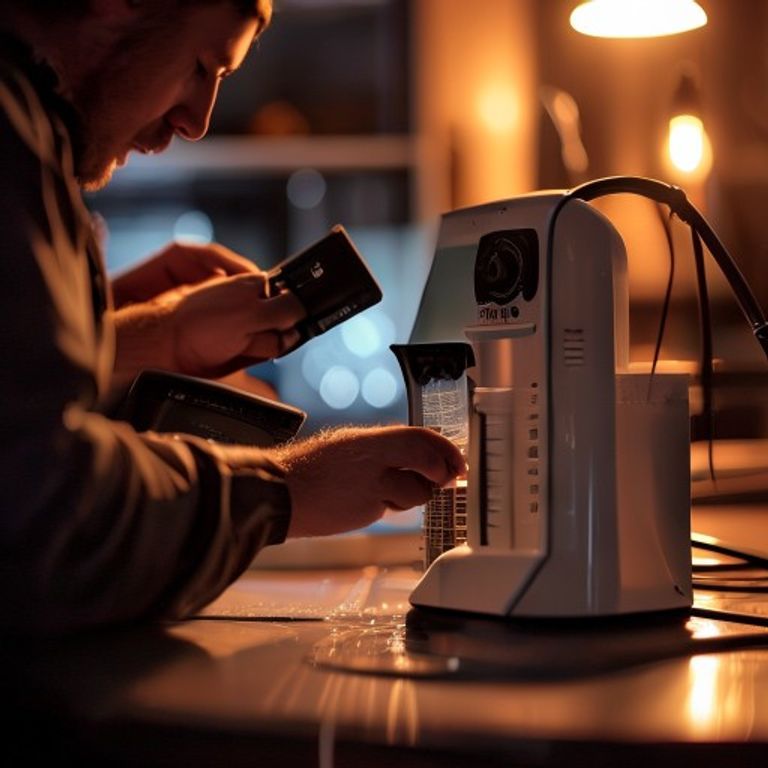
To verify these claims, you must understand how decibel (dB) ratings translate from a sterile factory testing laboratory to a quiet kitchen or bedroom. A true 20 dB to 30 dB rating represents a whisper-quiet pump measured at a standardized distance. However, without rigorous quality control, a fountain rated at 30 dB on paper can easily spike to 45 dB or more in a consumer’s home due to cheap pump components, poor structural dampening, or poor hydraulic design.
Table of Contents
- Decoding the Decibel Scale: What the Numbers Actually Mean
- The Anatomy of Pet Fountain Noise: Pumps and Resonance
- Avoiding Manufacturing Traps: Cold Solder Joints and Dropped Parts
- Smart Integration and the Firmware Stability Reality
- Industry Trend: AI-Powered Pet Health Monitoring
- Your Sourcing Checklist for Quiet Pet Fountains
Decoding the Decibel Scale: What the Numbers Actually Mean
The decibel scale is logarithmic, not linear. This means a 30 dB pet fountain is not just “slightly louder” than a 20 dB fountain—it is actually ten times more intense. When sourcing products, you must understand how these numbers behave in real-world scenarios:
- 20 dB (Ticking Watch / Rustling Leaves): This is the gold standard. At this level, the pump is completely imperceptible to human ears from a few feet away. Only the gentle, natural sound of bubbling water is audible.
- 30 dB (Whisper / Quiet Library): Highly acceptable for bedroom placement. The pump emits a very low, steady hum that easily blends into background ambient noise.
- 40 dB (Quiet Office / Soft Rain): Borderline. While acceptable in a busy kitchen, this level of noise will be noticeable in a quiet bedroom at night, potentially leading to customer complaints.
- 50 dB and Above (Normal Conversation / Hum of a Refrigerator): Defective or poorly designed. At this level, the fountain will actively deter skittish cats and irritate owners, causing high return rates.
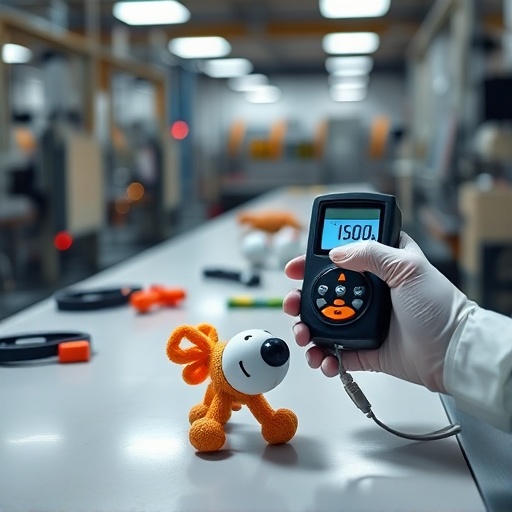
Skepticism is your best friend here. Factories often test these units under perfect conditions—perfectly level surfaces, brand new filters, and filled to the absolute brim. That is not real life. Honest manufacturers measure noise levels at a fixed distance of 1 meter inside an anechoic chamber with a calibrated decibel meter. If a supplier cannot provide an acoustic test report, their decibel claims are likely self-declared without empirical testing.
To browse high-quality, laboratory-tested pet hardware, you can Explore DDPark Smart Pet Product Catalog to see how professional acoustic engineering is applied at scale.
The Anatomy of Pet Fountain Noise: Pumps and Resonance
Step onto the assembly floor of a high-capacity pet tech factory. The air smells of warm, freshly molded ABS plastic. Pneumatic screwdrivers hiss in rhythmic pulses. In the middle of this chaos sits a heavy, double-sealed steel door. Step inside, and the noise of the factory floor vanishes instantly. This is the anechoic chamber. Inside, a single pet fountain bubbles quietly on a wooden pedestal, pointed at by a calibrated microphone exactly one meter away. You watch the digital display flicker: 21.4 dB. That is how real quality is verified.
Noise in a pet fountain does not just come from the pump motor itself. It is the result of three distinct physical factors: mechanical friction, water flow hydraulics, and structural resonance.
1. Mechanical Friction and Impeller Quality
The heart of any fountain is the submersible pump. Cheap pumps use low-grade plastic impellers spinning on stainless steel shafts that degrade rapidly. As the shaft wears down, the impeller begins to wobble, causing a loud, metallic rattling noise. High-quality fountains utilize ceramic shafts and magnetic levitation impellers, which reduce friction and wear, maintaining a low noise profile over years of continuous operation. Ceramic does not degrade like metal.
2. Hydraulic Flow Design
How the water returns to the reservoir dictates the acoustic profile. Free-falling water streams might look appealing, but they create a continuous splashing sound that many owners find annoying over time. Modern designs use inclined ramps or bubbling spring mechanisms that guide the water smoothly down the sides of the housing, reducing splashing noise and achieving an acoustic improvement of around 19.9%-38.6% compared to traditional free-fall models.
3. Structural Resonance and Housing Materials
Even a silent pump will vibrate. If the pump is locked rigidly against the fountain’s plastic walls, the entire housing acts as a soundboard, amplifying the vibrations into a loud hum. To prevent this, professional designs isolate the pump using silicone suction feet, suspended pump brackets, and thick, shock-absorbing BPA-free materials. Personally, I find that a simple, heavy ceramic housing does more for noise dampening than any fancy silicone suspension system.

Avoiding Manufacturing Traps: Cold Solder Joints and Dropped Parts
When importing pet electronics, structural durability and electrical safety go hand-in-hand with noise control. During the initial pilot run of a new product design, physical stress testing often reveals critical engineering weaknesses that directly impact noise and longevity.
For example, in a previous factory evaluation of a premium fountain model, engineers noted that during drop testing, the lid latch failed on the third drop – redesigned with a steel pin to ensure structural integrity. A loose lid or fractured latch will vibrate against the main body of the fountain, turning a quiet 25 dB device into a rattling 45 dB nuisance. It is a trap that many brands fall into during mass production.
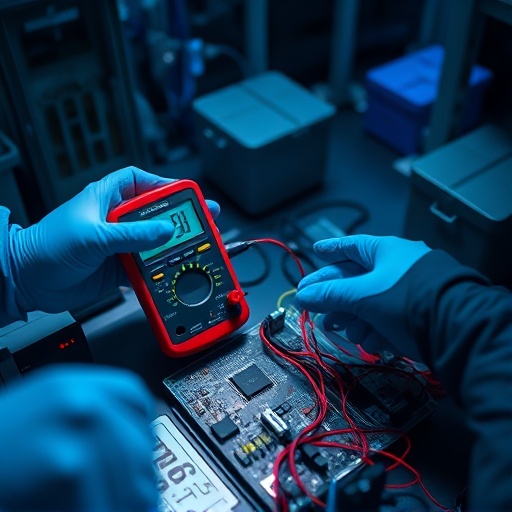
Electrical reliability is another critical factor. A common issue in low-cost manufacturing is the PCB cold solder joint. If the pump’s power lines or the internal WiFi PCB are poorly soldered, the voltage supplied to the pump can fluctuate. This electrical instability causes the magnetic field in the pump motor to stutter, resulting in a harsh, high-pitched electrical buzz and premature pump failure.
Additionally, look at the factory’s certification standards. The honest truth is that not all CE certificates are equal – some are self-declared without lab testing. If you want to protect your brand from safety liabilities and customs delays, ensure your manufacturing partner provides authentic, third-party laboratory-verified CE and FDA certifications for all food-contact plastics and electrical components.
Smart Integration and the Firmware Stability Reality
Modern consumers expect more than just a basic water pump. They want smart integration, real-time alerts, and app-based control. In 2026, Matter-ready modules became the baseline for new OEM projects, allowing pet fountains to communicate seamlessly with broader smart home ecosystems via an integrated ESP32 module.
However, adding smart features introduces software vulnerabilities. Distributors often underestimate the importance of firmware stability. If a fountain’s firmware crashes, the pump may run dry, overheat, or emit a high-pitched electrical hum as the control board malfunctions. This is where robust code testing pays off.
To avoid these issues, smart pet fountains must be built on proven IoT frameworks like the Tuya Smart Ecosystem. This ensures stable cloud connectivity and reliable firmware updates.
Let’s look at how engineering discipline in firmware and mechanical design prevents failures across different product categories. Consider a companion product like an automated dry food feeder. A common failure case in poorly engineered feeders is a food jam due to impeller design. The primary cause of this issue is an insufficient anti-clog gap between the silicone impeller blades and the dispenser wall. The engineering fix for this was a redesigned anti-jam infrared detection system paired with a high-torque motor reverse algorithm.
When you work with a manufacturer that understands these complex hardware-software relationships, you get pet fountains and feeders that operate flawlessly without unexpected system noise or mechanical failures. “Personally, I think most brands overcomplicate feeder apps,” but having a simple, stable app with robust offline schedules is exactly what keeps customer return rates near zero.
Ready to upgrade your product line with robust, quietly engineered pet hardware? You can Request a Free OEM Quote from DDPark to see our engineering solutions in action.
Industry Trend: AI-Powered Pet Health Monitoring
As the smart pet market matures, AI-powered pet health monitoring is becoming a key differentiator in the premium segment. What does this mean practically for importers and brands? It means your hardware has to be more precise than ever.
Instead of simply dispensing water, premium fountains now integrate smart weight tracking and high-precision infrared sensors to monitor how often and how much a pet drinks. This data is processed locally or via the cloud to provide real-time health monitoring, alerting owners to early signs of feline kidney disease or urinary tract infections.
From an engineering standpoint, integrating these sensors requires precise isolation. If the weight sensors or infrared brackets are not structurally decoupled from the water pump’s micro-vibrations, the sensor data becomes noisy and inaccurate. Sourcing a fountain that isolates pump vibrations not only keeps the unit quiet but also ensures the accuracy of its health-tracking diagnostics. Many brands obsess over “silent pumps,” but the contrarian insight here is that the real culprit behind most noise complaints isn’t the motor—it’s the water-to-plastic surface tension and structural resonance of the lid.

Your Sourcing Checklist for Quiet Pet Fountains
Before signing your next OEM manufacturing contract, use this technical checklist to verify that your pet fountain will perform quietly and reliably in the field:
| Component | Red Flag (High Noise / Low Quality) | Gold Standard (Silent / High Quality) |
|---|---|---|
| Pump Shaft | Stainless steel or plastic (wears down, rattles) | Alumina ceramic or magnetic levitation |
| Dampening | Rigid plastic-to-plastic contact | Suspended pump with silicone isolation pads |
| Flow Path | Direct vertical drop (loud splashing) | Inclined ramp or bubbling spring design |
| Smart Module | Generic, unbranded WiFi chips with unstable firmware | ESP32 module integrated with Tuya Smart Ecosystem |
| Certifications | Self-declared CE without independent lab reports | Third-party verified CE, FDA, and RoHS compliance |
By focusing on these engineering details, you can confidently market a pet fountain that delivers on its “whisper-quiet” promise. Partnering with an experienced manufacturer like DDPark ensures that your products undergo rigorous testing—from acoustic chamber validation to drop testing—minimizing defects and protecting your brand’s reputation.
To learn more about how we design, test, and manufacture silent smart pet products, read about our DDPark 10+ Years Manufacturing Expertise and see how we can elevate your product catalog.
Frequently Asked Questions
Q: How do I know if a factory’s decibel rating is accurate?
A: Request an official acoustic test report from an accredited third-party laboratory. The report should specify that the tests were conducted in an anechoic chamber at a standard distance of 1 meter under normal operating conditions.
Q: What is the main cause of sudden pump noise in pet fountains?
A: Sudden noise is almost always caused by hair, slime, or hard water mineral buildup inside the pump’s impeller chamber. Sourcing pumps with easy-to-disassemble magnetic impellers allows consumers to clean them easily, resolving most noise complaints without requiring a product replacement.
Q: Can smart features increase the noise level of a pet fountain?
A: Smart features themselves do not make noise, but poor electrical design can. If the smart PCB or ESP32 module is not properly isolated or has cold solder joints, it can cause electrical frequency interference that translates into an audible hum from the pump motor.
Work with DDPark
At DDPark, we specialize in manufacturing premium, ultra-quiet pet fountains and smart pet appliances. Our products feature advanced low-noise motor systems, in-house R&D engineering, automatic overheat protection, and food-grade BPA-free materials. We ensure every pilot run undergoes rigorous physical and acoustic testing to protect your import margins and eliminate customer returns.
Ready to Start Your OEM Order?
Contact our B2B team today for pricing, MOQ, and custom branding options.