The debate surrounding a **pet feeder with camera with infrared sensor vs without: which is better for B2B** is effectively over. If you are still sourcing units that rely solely on mechanical timers, you are essentially stocking future returns. In the current market, a camera without an integrated infrared sensor is a liability. While many distributors view the camera as the primary selling point, the infrared sensor is the silent guardian of your brand equity. A camera that shows a user their pet is hungry because of a food jam is a source of viral customer frustration; an infrared sensor that detects that jam and triggers an auto-reverse cycle is the reason for a five-star review.
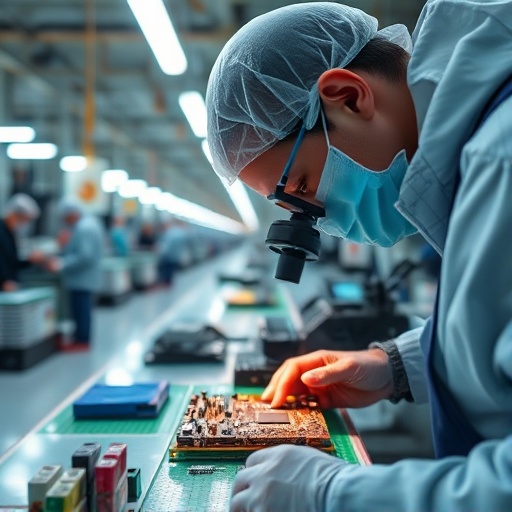
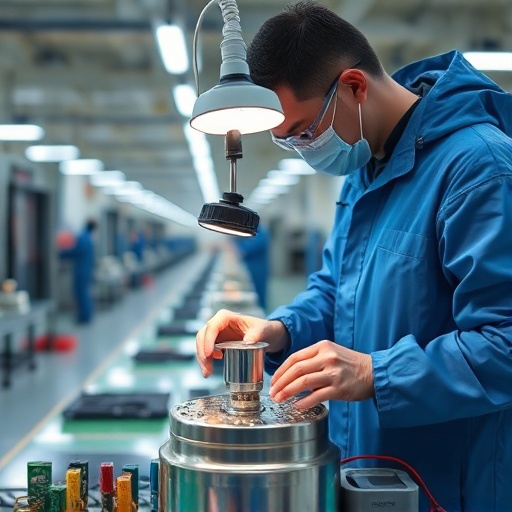
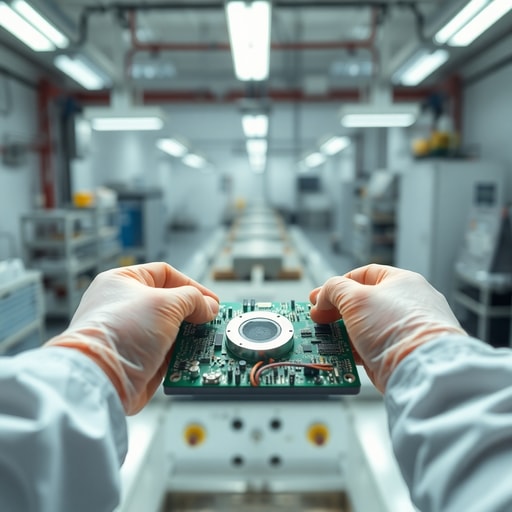
Walking the production floor in the Pearl River Delta, I see the difference between these two philosophies every day. The air is thick with the smell of ionized plastic and the rhythmic hum of automated assembly lines. When we assemble a standard “timer-only” unit, the process is quick and cheap. But when we build a smart unit, the atmosphere shifts. My technicians spend twice as long calibrating the infrared gate. They aren’t just screwing plastic together; they are ensuring the light-gate sensitivity can distinguish between a kibble blockage and a stray piece of dust. If you want to build a brand that lasts, you have to appreciate the complexity behind that sensor.
### The Hidden Cost of “Cheap” Tech
Skepticism is a vital tool for any B2B buyer. I’ve watched countless retail brands collapse because they prioritized a low unit price over firmware stability. They treat pet feeders like disposable toys, but the moment a pet goes hungry because of a software glitch, your customer service inbox will be flooded.
Generic “off-the-shelf” firmware is the industry’s biggest trap. It lacks the nuanced error handling required for real-world scenarios. At DDPark, we’ve seen competitors’ units burn out their motors because they lacked the intelligence to detect when an impeller was jammed. The motor keeps pushing, the plastic gears grind, and the unit turns into a paperweight. An infrared sensor integrated into the firmware acts as a circuit breaker. It senses the resistance, pauses the motor, and alerts the user. That is the difference between a reliable appliance and a return-rate disaster.
### Precision on the Production Line
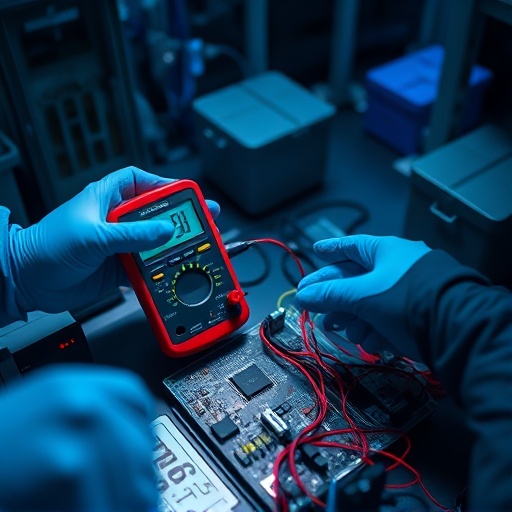
Our facility houses over 100 dedicated employees who operate under a zero-defect philosophy. I personally oversee the stress-testing phase, where we push units to their breaking point. I remember a specific audit last quarter where a batch of feeders passed every mechanical test but failed during a 48-hour continuous “jam simulation.” The infrared sensor was occasionally misfiring due to a slight misalignment in the chute housing.
Instead of shipping, we halted the line. We spent three days recalibrating the injection molds for that specific plastic component. This is the level of rigor required if you want to compete in the high-end pet tech space. Our DDPark 10+ Years Manufacturing Expertise ensures that we aren’t just hitting a price point; we are hitting a performance standard that meets global LFGB and BSCI requirements. When you source with us, you are investing in a 25%-35% reduction in long-term reliability issues compared to standard mechanical models.
### Hardware Context: The ESP32 Evolution
Smart pet feeders have moved beyond basic IoT connectivity. The industry now standardizes on the Tuya ecosystem and ESP32 modules for a reason: stability. If your manufacturer is still pushing a proprietary, closed-loop system, they are setting you up for obsolescence.
You need to ask your supplier about “firmware rollback” capabilities. If an update creates a conflict, can you revert to a stable version instantly? DDPark provides this infrastructure, ensuring your brand isn’t held hostage by a buggy firmware update. We handle the technical heavy lifting so you can focus on marketing and distribution. If you are ready to scale, Request a Free OEM Quote from DDPark today.
### The Contrarian View on Premium Materials
There is a common misconception that the electronics are the only thing that matters. That is a mistake. The physical interface—the bowl, the chute, the lid—is what the customer touches every single morning. I strongly advise all my clients to opt for food-grade stainless steel bowls.
Plastic harbors bacteria and develops micro-scratches that ruin the user experience over time. Stainless steel feels premium, washes easily, and signals to the consumer that this is a professional-grade device. When you pair a high-end stainless bowl with an infrared-monitored feeding system, you create a product that justifies a higher retail price point. We encourage you to Explore DDPark Smart Pet Product Catalog to see how we blend premium materials with high-tech sensing capabilities.
### Final Verdict for B2B Sourcing
Choosing between a pet feeder with camera with infrared sensor vs without: which is better for B2B is a decision between building a brand or just selling inventory. If you want to survive the volatility of Amazon FBA or the high standards of boutique retail, you cannot afford to skip the sensor. The camera is the hook, but the infrared sensor is the retention mechanism.
Your reputation rests on the reliability of the meal delivery. Do not let your brand’s growth be stunted by a “dumb” feeder that fails when it matters most. Invest in the intelligence that modern pet owners demand, and partner with a manufacturer that understands the difference between a product that works and a product that lasts.
Frequently Asked Questions
Q: Why does a pet feeder with an infrared sensor have a lower return rate than a basic model?
A: Infrared sensors provide real-time feedback on food levels and potential jams. By preventing the impeller from stalling, the device avoids mechanical failures and notifies the user via the app, significantly reducing “dead” units and customer frustration compared to basic models.
Q: How does DDPark handle firmware updates for private-label brands?
A: We utilize the Tuya Smart Ecosystem for stable connectivity. Our in-house R&D team manages firmware versioning, including roll-back capabilities, ensuring that your branded products remain functional and secure without requiring you to hire internal software engineers.
Q: Is there a significant price difference between feeders with and without cameras/sensors?
A: While there is a slight increase in unit cost, the long-term ROI is higher for B2B buyers. Models with sensors experience roughly 25%-35% fewer support issues, which protects your margins by lowering the costs associated with returns, replacements, and negative customer reviews on platforms like Amazon.
Work with DDPark
Experience stable Tuya connectivity, in-house R&D engineering, custom logo and packaging, and anti-jam infrared detection that powers successful pet tech brands globally.
Ready to Start Your OEM Order?
Contact our B2B team today for pricing, MOQ, and custom branding options.