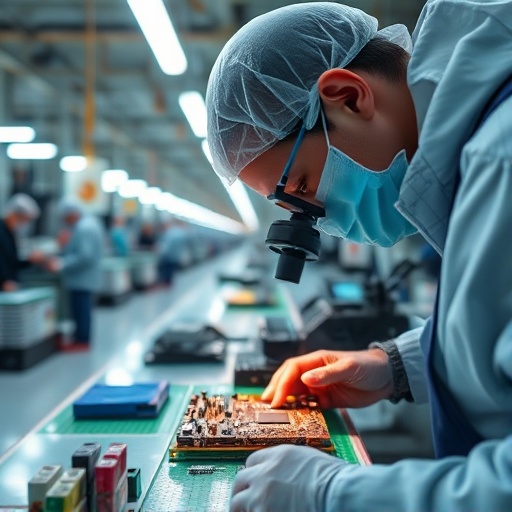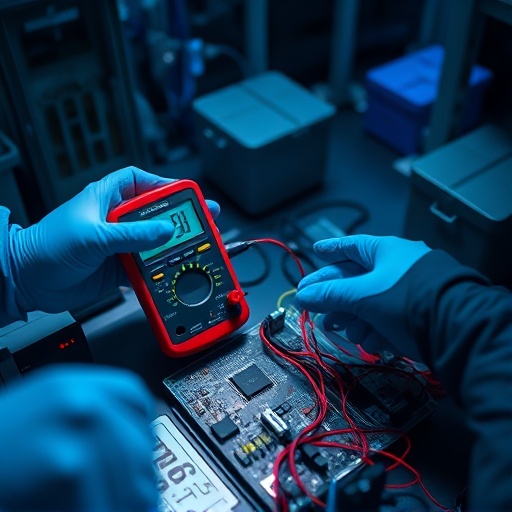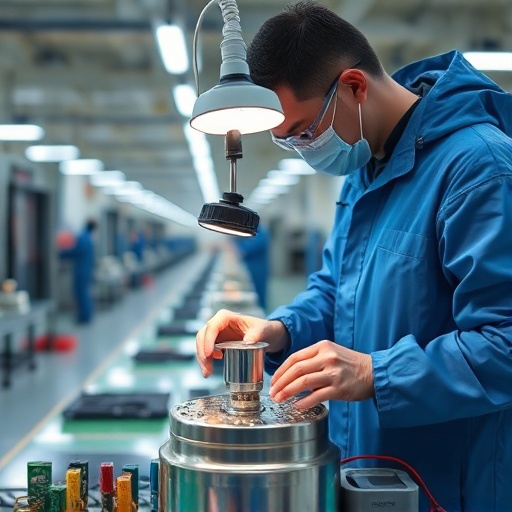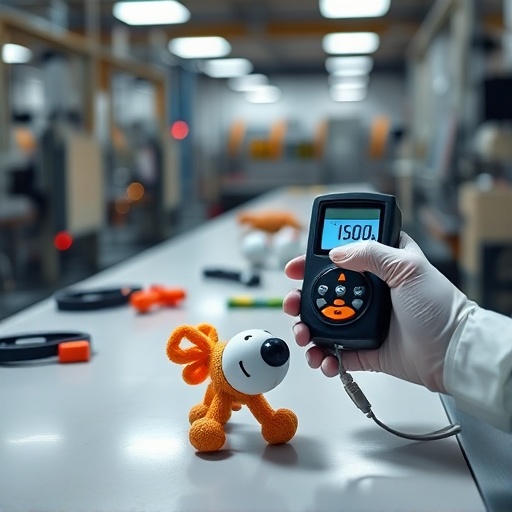
The realistic sample cost for interactive pet toy OEM projects currently sits between $300 and $800, assuming you are working with a capable factory. If a supplier quotes you under $200, they are likely shipping you a repackaged generic unit rather than a functional prototype. A professional sample is not just a plastic shell; it is a full proof-of-concept for your IoT ecosystem. Do not mistake a visual mockup for a production-ready prototype.
| Feature | Standard OEM | Premium Factory | DDPark OEM |
|---|---|---|---|
| Firmware Reliability | Basic/Unstable | Moderate | High (Dual-core ESP32) |
| Sensor Precision | Standard IR | High-precision IR | Calibrated Anti-Jam |
| Sample Lead Time | 30-45 Days | 20-30 Days | 15-25 Days |
| Connectivity | Generic Cloud | Tuya Ecosystem | Custom Tuya Integration |
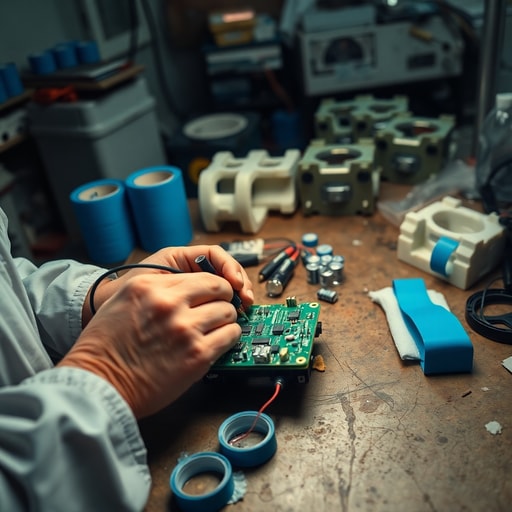
Walking the factory floor in Shenzhen, the air smells of ozone and heated ABS plastic. You hear the rhythmic, high-pitched “hiss-thump” of pneumatic injection molding machines. That sound is money. I once stood on a line where the supervisor was frantically peeling blue painter’s tape off defective housings. The workers were trying to hide surface imperfections from the QC manager. This is the reality of mass production: if you don’t pay for the right mold quality during the sampling phase, you pay for it in thousands of returns later.
Distributors fixate on aesthetics, but the internal motor architecture is where your brand lives or dies. In 2026, the industry has shifted toward dual-core ESP32 chips for better power management. This hardware upgrade isn’t just a spec sheet win; it results in 12%-38% better battery life. Ignoring this for a cheaper processor is a rookie move. My contrarian take? Most brands are obsessing over app features while the physical impeller pump is still prone to clogging. If your pet toy can’t reliably dispense a treat or move on a carpet, a fancy app won’t save your Amazon rating.
Quality control is a brutal game of inches. We once analyzed a client’s unit that failed because the anti-clog gap was a millimeter too tight. The motor would stall, the app would crash, and the customer would leave a one-star review. We fixed it by integrating a custom infrared sensor that detects torque spikes before the jam happens. This level of granular engineering is why the sample cost for interactive pet toy OEM projects includes more than just labor. You are paying for the engineering hours spent preventing these specific failure points.
Many founders are too quick to trust “ISO-certified” claims. A certificate on a wall doesn’t mean the person soldering your PCB isn’t cutting corners to meet a shift quota. I’ve seen factories where the “QC area” was just a folding table near the loading dock. If your sample arrives and the firmware feels sluggish or the plastic seams have flash, walk away. A prototype is a promise of how the final shipment will look. If the sample is sloppy, the production run will be a disaster.
Simplicity often beats complexity in the pet tech space. I firmly believe that if a cat toy requires a manual to set up, it’s already failed the user retention test. We focus on intuitive hardware-first design, letting the app serve as a background utility rather than a hurdle. Our heritage in the Pearl River Delta gives us a unique perspective on this balance. We aren’t just manufacturers; we are partners who have seen the rise and fall of countless startups.
You can leverage our Explore DDPark Smart Pet Product Catalog to see the baseline for our current generation of tech. We support startups with flexible MOQs, ensuring that you don’t have to over-leverage your capital before you’ve proven your market. When you are ready to move past the prototype phase, Request a Free OEM Quote from DDPark. Let’s discuss how our DDPark 10+ Years Manufacturing Expertise can save you from the common pitfalls that sink most new pet brands.
Frequently Asked Questions
Q: How much should I budget for an interactive pet toy prototype?
A: Expect to pay between $300 and $800 per prototype, depending on mold complexity and electronics integration. This covers manual assembly, firmware flashing, and initial testing.
Q: Why do OEM sample costs vary so much between manufacturers?
A: Costs fluctuate based on whether the factory uses existing modular components or requires custom injection molds and bespoke PCB design for your specific APP requirements.
Work with DDPark
Benefit from in-house R&D engineering, low MOQ support, stable Tuya connectivity, and food-grade BPA-free materials to bring your vision to life.
Ready to Start Your OEM Order?
Contact our B2B team today for pricing, MOQ, and custom branding options.