How to reduce jamming in smart pet toy production?
To effectively reduce jamming in smart pet toys and feeders, you must prioritize mechanical clearance of the impeller and integrate proactive, load-sensing firmware. If your product is failing in the field, the culprit is rarely the kibble—it is almost always an oversight in torque limit calibration or a lack of sufficient anti-clog gaps in your silicone paddles. At DDPark, we have spent over a decade watching feeders struggle on the production line, and we know that jamming is a failure of synergy between the load cell sensitivity and the motor’s feedback loop. Most manufacturers treat these as separate mechanical and digital problems, which is exactly why their return rates stay high.
The Sensory Reality of the Factory Floor
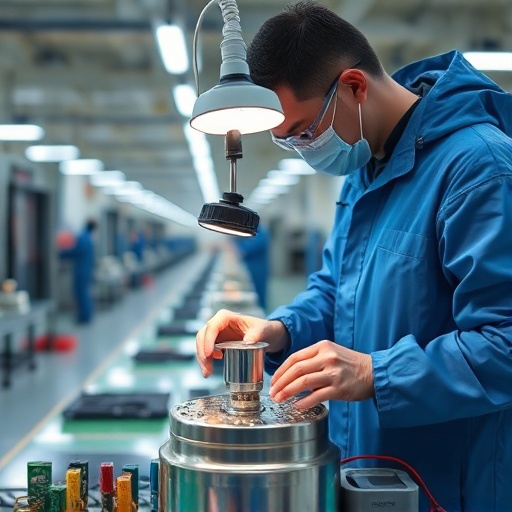
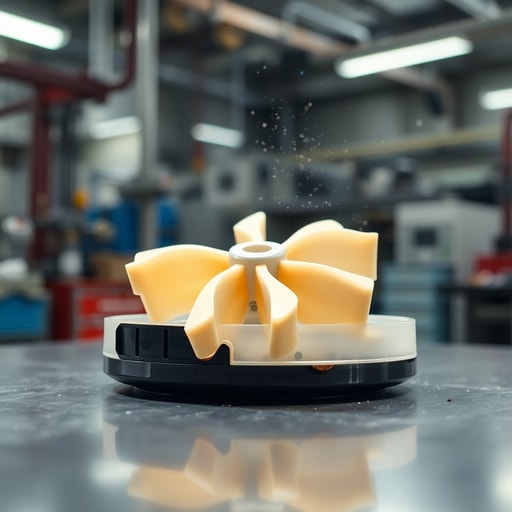
Standing on the production floor in the Pearl River Delta, you can hear a “healthy” feeder long before you see the data. It is a rhythmic, low-frequency hum. When a batch is prone to jamming, the sound changes. You hear that sharp, metallic stutter—the sound of an impeller fighting a piece of kibble that is just a few millimeters too large for the clearance gap.
I have seen countless engineers obsess over the plastic casing while ignoring the friction coefficients of the internal auger. During a recent pilot run, we noticed the motors were drawing 15% more current than necessary. The cause? The silicone paddles were molded with a slight burr, creating drag against the housing. We didn’t need a stronger motor; we needed a better mold. If you want to know how to reduce jamming in smart pet toy design, stop looking at the software for a moment and look at the physical friction points. If the parts don’t move smoothly by hand, the motor won’t save them.
Firmware Logic vs. Mechanical Reality
Many importers suffer from the “11 PM panic”—that moment when the customer support inbox fills with complaints about feeder stalls. This usually happens because they opted for cheap, generic firmware that treats a jam as a binary state: “moving” or “stalled.” That is a mistake.
Effective firmware should act like a pulse. When the motor encounters resistance, the system should trigger a micro-reversal—a tiny, two-degree back-and-forth movement—to dislodge the kibble before it becomes a hard jam. We avoid ultra-cheap PCB vendors specifically because they lack the processing overhead to handle this kind of real-time logic. Relying on an ESP8266 module with outdated firmware is a recipe for disaster. You need a platform that supports reliable OTA (Over-the-Air) updates, allowing you to tweak torque thresholds remotely after the device is already in the customer’s home.
The Contrarian View on “Smart” Features
Here is my take: the industry is obsessed with adding AI cameras to feeders, but they are ignoring the basic physics of food delivery. A feeder with a 4K camera is useless if it jams every third day. My advice is to prioritize the mechanical reliability of the delivery mechanism before you even consider adding a lens or a microphone.
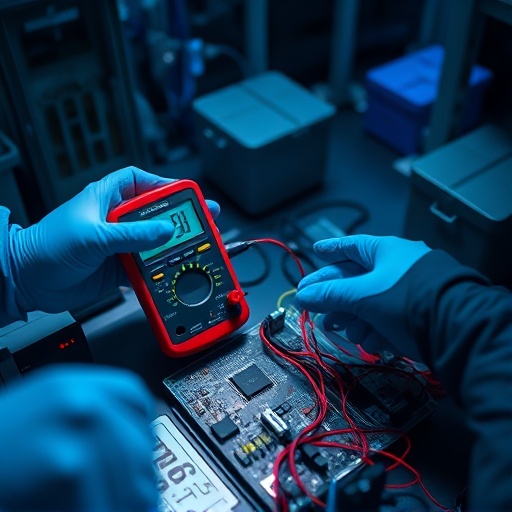
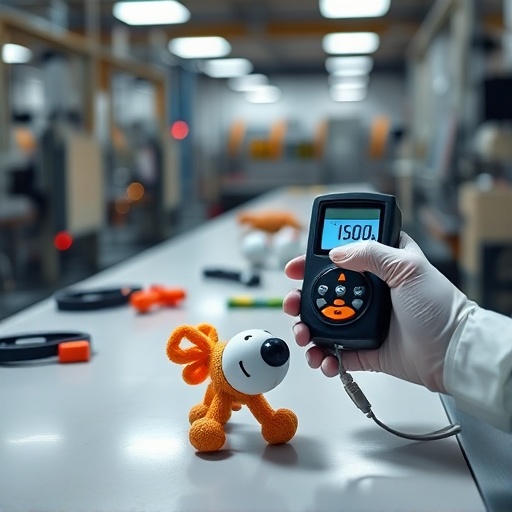
Skepticism is your best tool when vetting a factory. If a supplier promises “jam-proof” technology but cannot show you their aging test logs or explain their torque-limit calibration process, walk away. A truly reliable device requires a 24-hour burn-in period where the motor is pushed to 110% of its rated capacity. If it survives that, it will survive a household.
Standardizing for Global Reliability
OEM buyers are now under immense pressure to meet Matter-compatibility standards, but compliance is merely the floor, not the ceiling. Whether your target market is the USA, Germany, or Japan, your internal QA must be more aggressive than the local regulations. We employ rigorous AQL (Acceptance Quality Limit) sampling, which means if a single unit in a batch fails a torque stress test, we pull the entire line. It is expensive, but it is cheaper than a 10% return rate on Amazon.
| Feature | Standard OEM | Premium OEM | DDPark OEM |
| :— | :— | :— | :— |
| Anti-jam Sensor | Basic IR | IR + Load Cell | Predictive AI Sensing |
| PCB Quality | Low-cost | Industrial | Grade-A Reliability |
| Testing | Visual Only | 2-hour burn-in | 24-hour aging test |
| Firmware | Static | OTA Capable | Matter-Ready |
Explore DDPark Smart Pet Product Catalog to see our latest designs, or learn more about our 10+ years of manufacturing expertise.
Frequently Asked Questions
Q: Why does my smart feeder jam despite using standard kibble?
A: It is likely due to the impeller torque limit being set too low or poor geometric clearance. DDPark addresses this by calibrating the load cell to detect resistance before a hard jam occurs.
Q: How do I ensure my smart pet product is ready for Amazon FBA?
A: You need factory-level aging tests and strict AQL sampling. DDPark provides these services to ensure your product meets the high return-rate standards of global marketplaces.
Work with DDPark
Benefit from our food-grade BPA-free materials, custom logo and packaging, Matter protocol ready devices, and mandatory aging tests before shipment.
Ready to Start Your OEM Order?
Contact our B2B team today for pricing, MOQ, and custom branding options.