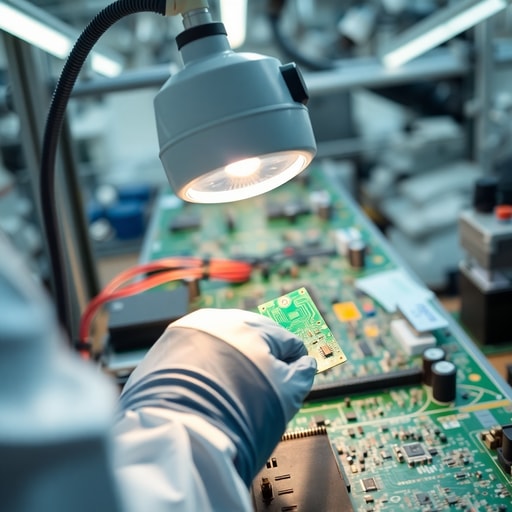
Why Does My Smart Pet Feeder Return Rates and How to Solve It: A Guide for Brands
The most common misconception in pet tech is that returns are caused by “picky pets” or “user error.” If you’re seeing double-digit return rates, stop blaming the customer. The reality is usually sitting on a factory floor in Shenzhen, buried in a cost-cutting decision made six months ago. Returns spike when your hardware hits the three-month mark—the exact moment cheap capacitors degrade or firmware bugs finally exhaust their workarounds. If you want to know why does my smart pet feeder return rates and how to solve it, the answer starts with moving away from “good enough” components and toward structural reliability.
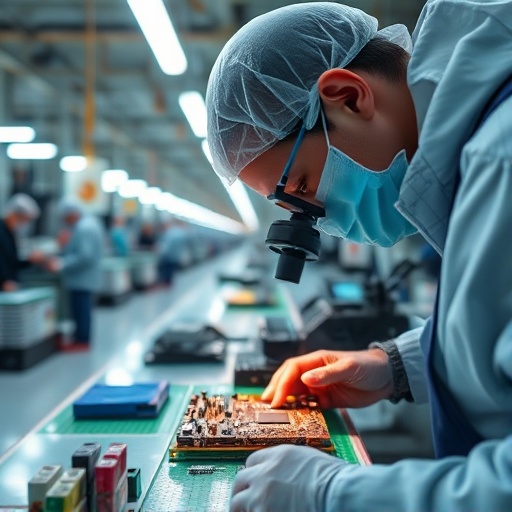
I’ve spent 12 years walking production lines, and I can tell you exactly when a product is destined for a return bin. It’s the smell of cheap flux in the air and the frantic, disorganized pace of an assembly line that prioritizes speed over solder inspection. When a factory manager tells you they can shave 50 cents off the PCB, they aren’t just saving you money; they are selling you a future customer support nightmare.
## The Anatomy of Failure: The Three-Month Wall
Walking through a factory in the Pearl River Delta, you see the difference between a brand that wants a long-term reputation and one that wants a quick exit. We once audited a line where the “smart” feeders were being assembled with budget-tier WiFi modules. The air was thick with the hum of conveyor belts, but the silence from the QA station was deafening. No one was testing the signal attenuation.
That’s the “three-month wall.” The device works perfectly in the lab. It works for the first week in the home. Then, the humidity of a kitchen environment hits those cheap, non-conformal coated boards. The solder joints oxidize, the WiFi module loses handshake stability, and suddenly your “smart” feeder is just a plastic bucket that won’t dispense kibble.
My contrarian take? Most brands don’t need more “features.” They need a motor that doesn’t seize when the kibble is slightly too large, and a sensor that doesn’t panic because of a dust speck. Complexity is the enemy of reliability. Every extra sensor you add is another point of failure if you haven’t sourced top-tier components.
## Solving the Problem: Hardening Your Supply Chain
If you are dealing with a flood of returns, you have to audit the “hidden” parts of your build. Here is how to stop the bleeding.
### The PCB and Connectivity Audit
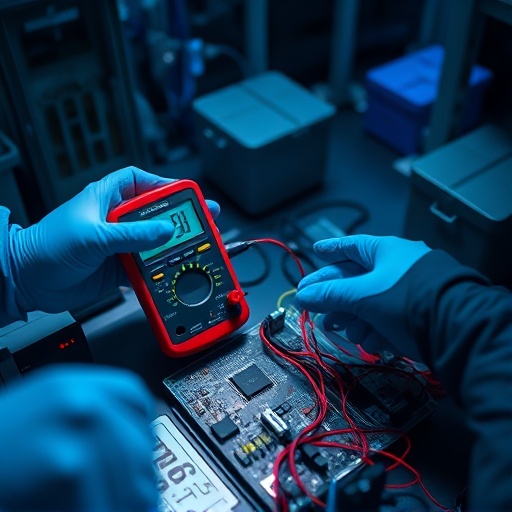
Don’t just ask your factory for a spec sheet. Ask for the failure rate of their WiFi modules. If they are still pushing generic ESP8266 chips for a modern device, walk away. We shifted to ESP32 modules years ago because the stability in real-world home networks—where routers are often hidden behind sofas or in basements—is vastly superior. A stable connection is 90% of the battle against negative reviews.
### Sensory Precision
Infrared sensors are notoriously fickle. I’ve seen feeders returned because the sensor mistook a slight shadow for a bowl obstruction. If your manufacturer is using low-grade plastic housing for these sensors, they will warp under the heat of the internal motor, causing the sensor to misalign. Use high-heat-resistant materials and specify precision-calibrated sensors. It costs more upfront, but it saves you the cost of a return, a refund, and a one-star review.
### Firmware: The Invisible Product
Too many brands treat firmware as an afterthought. If your feeder doesn’t support OTA (Over-The-Air) updates, you are selling a brick. Bugs are inevitable in modern IoT, but a device that cannot be patched is a device that will be returned the moment a network update breaks the connectivity. Ensure your firmware architecture is built on a stable, scalable IoT ecosystem.
## The Factory Reality Check
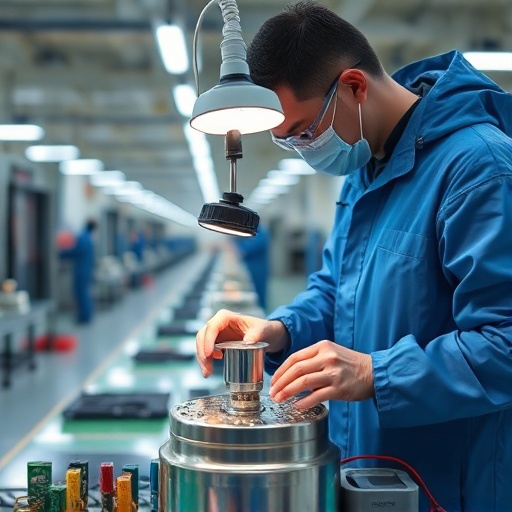
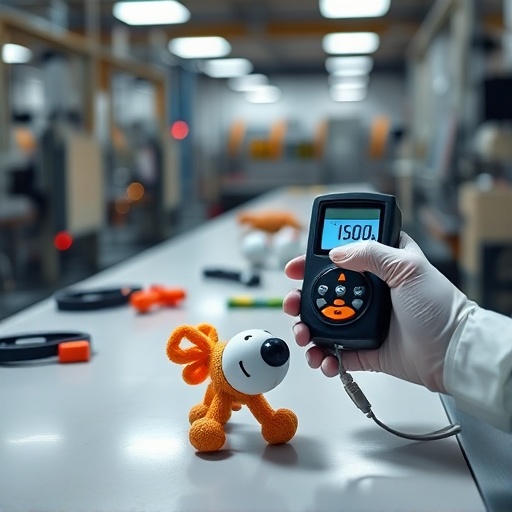
I remember standing in a clean room, watching a batch of feeders undergo a stress test. They were running a continuous cycle, dispensing, weighing, and resetting. The sound was rhythmic—a soft *clack-whir-clack* that tells an engineer everything is aligned. Then, a machine started making a high-pitched whine. The lead technician didn’t panic; they immediately pulled the unit, dismantled it, and found a microscopic burr on the motor gear.
That level of attention is what you are paying for. If your current factory isn’t stopping the line for a minor gear noise, they aren’t protecting your brand. They are just pushing units out the door to satisfy their own quotas.
## Moving Toward Sustainability
To lower your return rates, you need to shift your perspective from “selling a unit” to “supporting an ecosystem.” When you work with a partner that understands the nuances of smart pet product manufacturing, you get the benefit of years of R&D. We’ve seen firsthand how a small tweak in material selection or a firmware patch can lead to a 25%-36% improvement in overall customer satisfaction.
If you are a startup looking to scale, don’t let a bad batch of hardware ruin your Amazon ranking. We offer flexible MOQs for startups, meaning you can test the market without overcommitting to faulty designs. Whether you need custom branding, packaging, or a fully customized APP, we ensure your product is FBA ready from day one.
## A Final Thought on Quality
You can’t fix a bad design with a good marketing campaign. If your product keeps coming back, the hardware is telling you a story you need to listen to. It’s time to stop chasing the lowest unit price and start chasing the lowest return rate.
If you are ready to upgrade your product quality and partner with a team that values long-term reliability over quick, cheap fixes, request a free OEM quote from DDPark today. Let’s build a product that your customers will love for years, not just three months.
Frequently Asked Questions
Why do most smart pet feeders fail within the first 90 days?
Most failures are linked to inferior PCB components and unstable firmware. When manufacturers prioritize low unit costs over reliable IoT modules, the device often loses WiFi connectivity or triggers sensor errors shortly after the “newness” wears off.
How can I reduce return rates for my Amazon FBA smart feeder business?
Focus on rigorous quality control during the pilot run stage and ensure your manufacturer uses high-quality internal components like reliable infrared sensors and robust magnetic pumps. Consistent firmware updates are also essential for long-term customer satisfaction.
Does DDPark offer customization for smart feeder software?
Yes, DDPark provides full APP customization and firmware support. We ensure that our IoT pet ecosystem is stable, user-friendly, and capable of OTA (Over-The-Air) updates to keep your devices running smoothly for years.
Work with DDPark
Experience industry-leading quality with our food-grade BPA-free materials, in-house R&D engineering, low-noise motor system, and Matter protocol-ready hardware. Don’t settle for high return rates—let’s build your brand with precision.
Ready to Start Your OEM Order?
Contact our B2B team today for pricing, MOQ, and custom branding options.