The absolute best pet water fountain for a veterinary clinic is a unit that strips away consumer-grade gimmicks in favor of medical-grade mechanical reliability. Forget app-based notification bells and whistles; in a clinical environment, the only thing that matters is a pump that won’t seize during a 24-hour cycle and a chassis that survives daily chemical sterilization. Anything less is a liability that belongs in a living room, not a recovery ward.
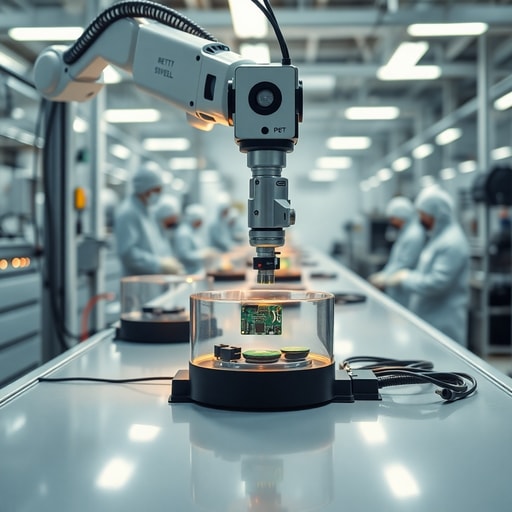
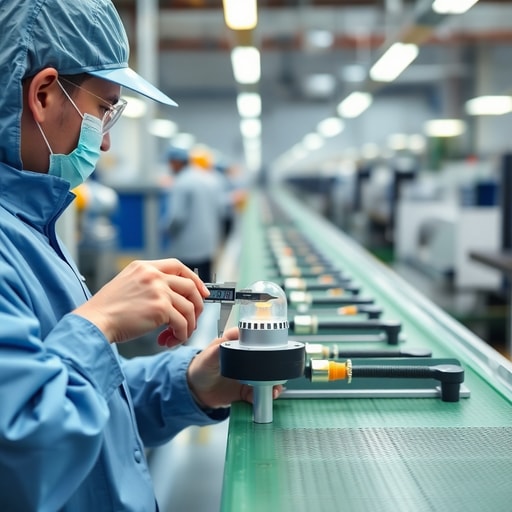
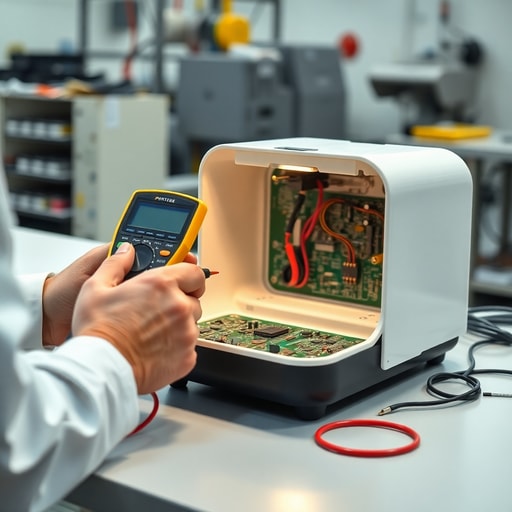
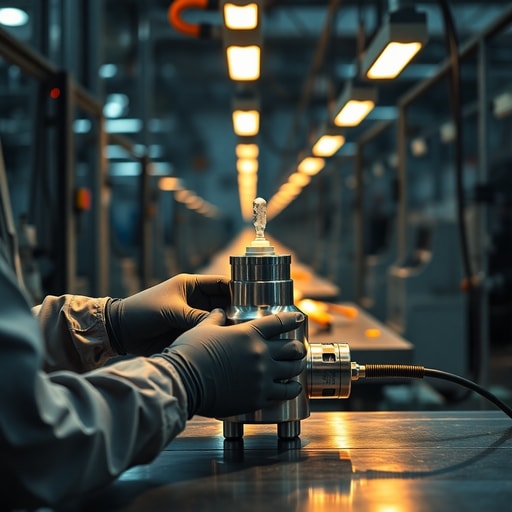
Walking through our assembly floor in the Pearl River Delta, the air is thick with the scent of ozone and high-density polymer. You don’t hear the frantic pace of a mass-market toy factory here. Instead, there is the rhythmic, deliberate clicking of our AOI (Automated Optical Inspection) machines. I’ve spent twelve years watching these lines, and I can tell you exactly where the “smart” fountains fail. They fail at the PCB level. Most retail units use cheap, moisture-sensitive modules that oxidize the moment a clinic’s autoclave or high-pressure cleaning spray creates a spike in ambient humidity. We refuse to use them. If a board doesn’t pass our thermal shock test, it hits the scrap bin before it ever touches an assembly jig.
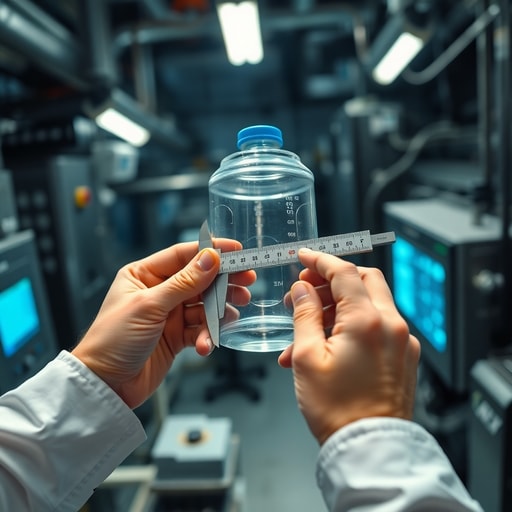
My contrarian take? Connectivity is a trap. Veterinary staff are busy saving lives, not troubleshooting why a water fountain lost its WiFi signal. When we design for clinical environments, we prioritize physical fail-safes. During a recent production run, I pulled a batch of pumps because the vibration signature was 0.2 decibels above our strict limit. To a retail buyer, that’s “quiet enough.” To a clinic housing post-operative animals, that vibration is a stressor. We re-calibrated the entire line, slowing down the injection molding speed to ensure the impeller housing had zero microscopic flash. That’s the difference between a product that sells and a product that lasts.
You need to look for specific mechanical markers. The impeller must be ceramic, not steel, to prevent cavitation and corrosion from mineral buildup. The housing needs to be 304 or 316-grade stainless steel; plastic harbors biofilm in the tiny scratches that inevitably appear after a week of scrubbing. If the housing isn’t surgical-grade, your clinic is just running a bacterial incubator. We’ve seen enough “premium” models returned to know that if the intake filter isn’t easily accessible for a gloved hand, the staff will eventually stop cleaning it. Design for the user, not the brochure.
There is a distinct sensation when you hold a fountain that was built for a clinic. It feels heavy, dense, and inert. It doesn’t rattle. Our engineering team recently implemented a proprietary anti-jam infrared sensor that detects pump resistance before the motor burns out. It’s a simple shift in logic, but it adds years to the unit’s lifespan. We don’t chase the “smart home” trend. We chase the “zero-downtime” requirement. If you are sourcing for a veterinary chain, stop looking at the feature list on Alibaba and start looking at the aging test reports of the manufacturer. If they can’t show you a stress test log from their environmental chamber, don’t buy it.
We handle everything from the initial material sourcing to the final drop-test. My philosophy is simple: if a fountain can’t survive a chaotic, high-traffic clinic, it has no business being manufactured. We provide the stability that procurement managers crave, cutting out the middle-man noise that plagues the pet tech industry. Whether you are scaling a clinic network or launching a professional-grade brand, our facility is tuned for high-integrity output.
| Feature | Standard Retail | Premium Commercial | DDPark OEM |
|---|---|---|---|
| Pump System | Basic Submersible | Ceramic Bearing | Low-noise Anti-jam |
| Connectivity | Tuya/Generic | Matter Ready | Custom/Matter/WiFi |
| QC Standard | Visual Check | Basic Testing | AOI/Aging Test |
For those looking to integrate these solutions into their inventory, you can Explore DDPark Smart Pet Product Catalog or learn about our DDPark 10+ Years Manufacturing Expertise. When you are ready to upgrade your supply chain, Request a Free OEM Quote from DDPark.
Frequently Asked Questions
Q: Why do consumer-grade fountains fail in clinical settings?
A: Consumer models rely on lightweight plastics and moisture-vulnerable electronics. These components degrade rapidly when exposed to the heavy-duty cleaning agents and high-humidity cycles standard in veterinary facilities.
Q: What is the most critical feature for a veterinary water fountain?
A: Mechanical longevity is the priority. Look for anti-jam sensors, ceramic-bearing pumps, and non-porous materials like 304 stainless steel that resist biofilm formation and withstand constant, 24/7 operation.
Work with DDPark
We provide low-noise motor system technology, anti-jam infrared detection, comprehensive aging test before shipment, and professional in-house R&D engineering to ensure your veterinary clients receive the best equipment possible.
Ready to Start Your OEM Order?
Contact our B2B team today for pricing, MOQ, and custom branding options.