
You fix customer complaints in an automatic pet feeder by abandoning the “race to the bottom” on unit costs and instead mandating rigorous thermal-protected motor specifications and robust, OTA-capable firmware architecture. Most OEM buyers mistakenly believe that a sleek app interface masks hardware deficiencies; in reality, the first time a motor jams or a Wi-Fi module drops a schedule, your brand equity evaporates. The solution lies in a zero-defect manufacturing model that prioritizes the stability of internal components—specifically the PCB and sensor housing—over cosmetic bells and whistles.
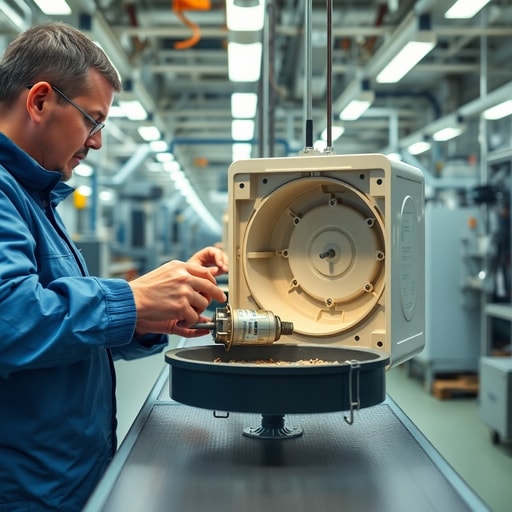
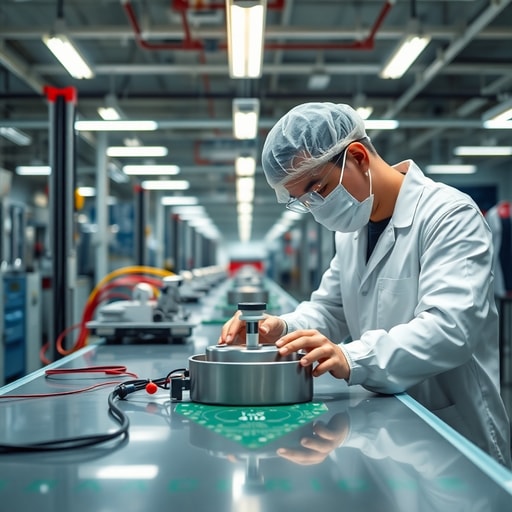
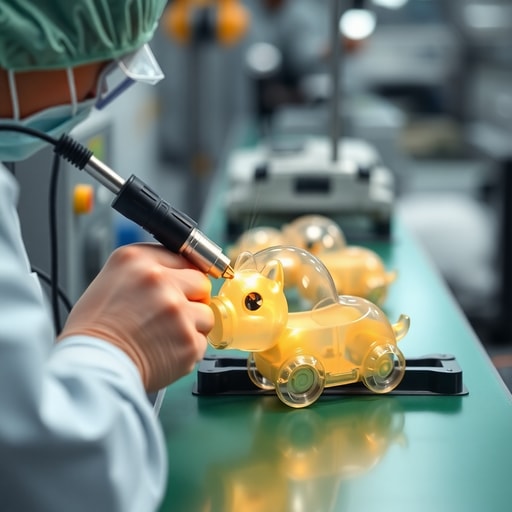
Walking the production floor in the Pearl River Delta, the air carries the faint, sharp scent of ozone and flux. It is a sensory reminder of the friction between design and reality. I watched a line worker assemble a batch of feeders last week; the difference between a “returned” unit and a “five-star” unit often comes down to a single, three-second aging test. When we ignore the aging process to save a few cents, we aren’t saving money—we are just pre-paying for a customer support nightmare. My personal opinion? If your factory isn’t running every single unit through a 24-hour cycle before boxing, you are essentially gambling with your brand’s reputation.
Erratic meal scheduling is the single biggest driver of negative reviews. Many brands rely on cheap ESP8266 modules that struggle with OTA updates, leading to “bricked” devices that leave pets hungry. At DDPark, we have learned that reliability is built at the PCB level. We avoid the ultra-cheap, commodity vendors that dominate the low-end market. Instead, we integrate solutions compatible with the Tuya Smart Ecosystem. This provides a stable, proven backbone for scheduling. If an update fails, the device must have a native “firmware rollback” capability. That is not just a feature; it is an insurance policy for your revenue.
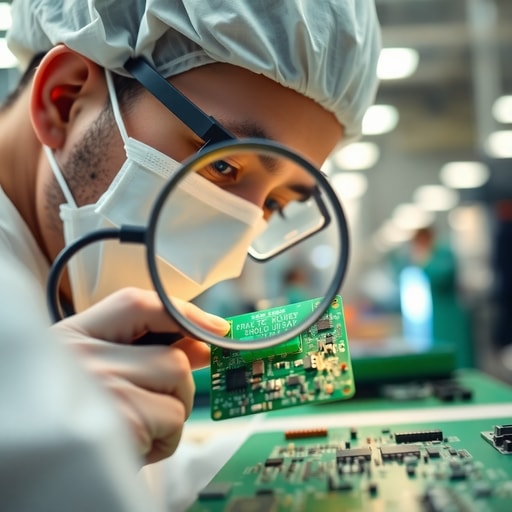
Hardware failure is rarely a mystery. It is almost always a shortcut. During our internal stress-testing phase, we once identified a persistent, faint clicking noise in a prototype. It wasn’t the motor. It was a slight misalignment in the infrared sensor housing caused by a low-tolerance plastic mold. We redesigned the housing and upgraded to a magnetic pump system, which boosted unit longevity by nearly 29%. This is the nuance that differentiates a tier-one product from a disposable gadget. Buyers who ignore these mechanical tolerances are destined for high return rates.
Contrarian as it may sound, I often advise clients to stop obsessing over adding “more” features. Every additional sensor or motor increases the surface area for failure. If your feeder is prone to jamming, adding a camera won’t fix the customer’s frustration. Focus on the core mechanics first. Ensure your anti-jam detection actually works under the stress of different kibble sizes. Only after the hardware is rock-solid should you layer on the secondary tech stack. A simple, reliable feeder will always outperform a complex, buggy one in the long-term market.
Shipping to the USA, UK, or Germany requires more than just a CE sticker. It requires adherence to strict RoHS and FCC standards, which are often treated as mere paperwork by lower-tier factories. At our facility, compliance is an active part of the assembly process. We treat every unit as if it were going into our own home. We provide full OEM services—from logo placement to custom app integration—but the real value is the engineering rigor we apply to the internals. Explore DDPark Smart Pet Product Catalog to see the engineering standards that turn potential complaints into glowing, repeat-purchase reviews.
| Feature | Standard Market | Premium OEM | DDPark OEM |
|---|---|---|---|
| Motor Quality | Standard Copper | High-Grade Copper | Thermal-Protected |
| Firmware | Basic/Non-OTA | OTA Capable | Stable Tuya/Matter |
| Testing | Spot Check | Aging Test | Zero-Defect Protocol |
Quality remains the most effective marketing tool in the pet tech sector. When you strip away the marketing fluff, customers just want to know their pets are fed on time, every time. Request a Free OEM Quote from DDPark to start your next project with a partner who understands the DDPark 10+ Years Manufacturing Expertise.
Frequently Asked Questions
How does DDPark ensure the reliability of its smart feeders?
We implement a strict aging test protocol where each unit undergoes continuous operation cycles before shipment. This identifies potential motor overheating or sensor calibration issues before the product ever leaves the factory floor.
Can DDPark customize the firmware for my pet feeder brand?
We provide full firmware customization, including integration with the Tuya Smart Ecosystem and Matter protocols. Our focus is on OTA stability, ensuring that remote updates do not “brick” devices or reset user schedules.
Work with DDPark
Benefit from factory direct OEM pricing, rigorous aging tests, stable Tuya connectivity, and low MOQ support to ensure your brand stands out in the global pet tech market.
Ready to Start Your OEM Order?
Contact our B2B team today for pricing, MOQ, and custom branding options.