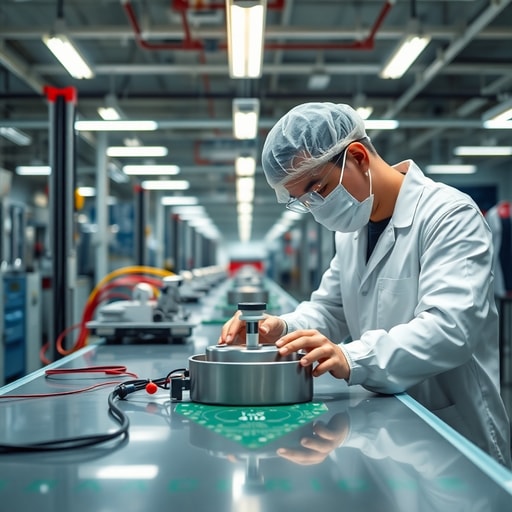
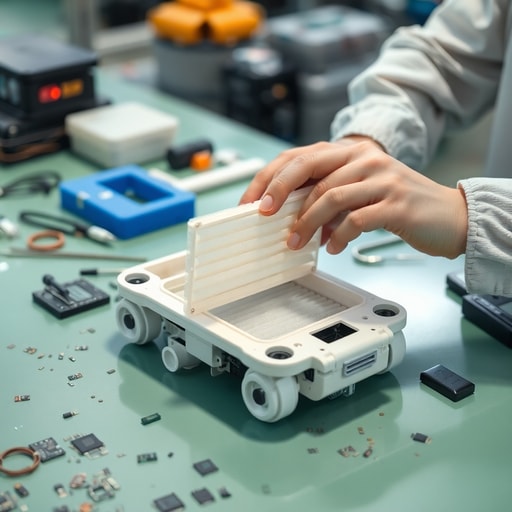
The smell of warm plastic and ozone hits you the moment you step onto the factory floor in Guangdong. It’s a sensory overload—the rhythmic *clack-hiss* of injection molding machines, the sharp scent of solder flux, and the focused silence of technicians hunched over testing benches. I watched a junior sourcing manager last week pick up a “no-filter” smart toy prototype. He was smiling at the low BOM cost, ignoring the fine layer of industrial dust already settling near the intake valve. He didn’t see a product; he saw a ticking time bomb of customer returns.
When debating “interactive pet toy with filter replacement vs without: which is better for B2B,” the decision is rarely about the toy itself. It is a calculated gamble on your brand’s survival. If you are selling to the premium market, the answer is simple: include the filter. If you are chasing the race-to-the-bottom price point, you are likely buying a mountain of warranty claims.
### The Cost of Ignoring Debris
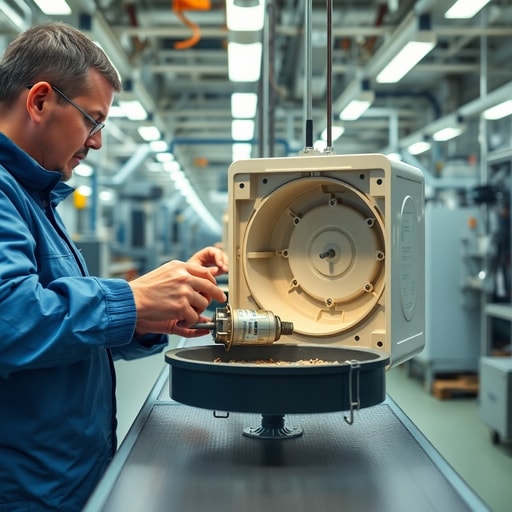
Mechanical failure in pet tech isn’t usually a catastrophic explosion. It is a slow, agonizing death caused by pet dander, saliva, and food dust. Without a filter, these contaminants act like sandpaper inside your motor housing. I have seen thousands of units returned to our warehouse because a tiny impeller stalled. The motor didn’t burn out; it just got “gunked up.”
Most B2B buyers treat filters as an optional accessory. That is a mistake. A filter is a protective barrier for your internal electronics. When you remove that barrier, you aren’t just saving pennies on the unit; you are forcing your software team to write error-handling code for mechanical failures that shouldn’t exist. My contrarian take? If you don’t include a filter, you are essentially charging your customers for a product that is designed to fail the moment it meets a real-world environment.
### Production Line Realities
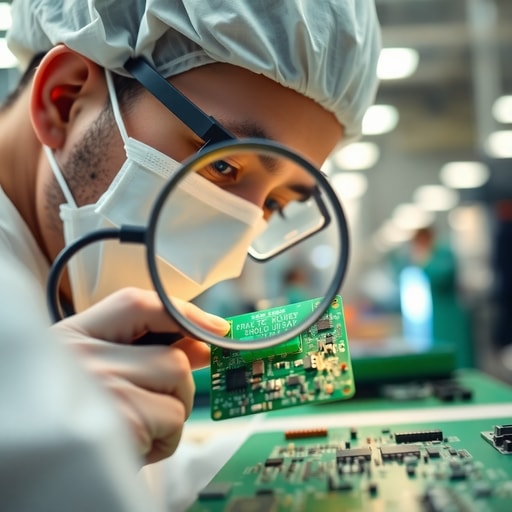
Standing on our assembly line, I watch the AOI (Automated Optical Inspection) systems scan every PCB. These machines are relentless. They don’t care about your marketing budget; they only care about solder integrity and component placement. When a product is designed with a filter compartment, the casing requires tighter tolerances. This forces the factory to use higher-grade molds.
Conversely, “filter-less” designs often rely on cheaper, looser housing. This leads to vibration, noise, and—eventually—internal moisture buildup. I have personally seen a batch of 5,000 “budget” toys arrive at a US port only to be rendered useless because the internal humidity sensors triggered a permanent “error” state due to poor sealing. High-precision mold injection is the only way to make a filter-less toy work, and that costs more than just adding a simple mesh screen.
### The Hidden Revenue Stream
Let’s talk about the math that keeps a brand alive. A “with filter replacement” model changes your entire business ecosystem. You aren’t just selling a one-off gadget; you are building a subscription-ready customer base. Replacing a filter is a low-friction touchpoint. It keeps your brand name in front of the consumer every three months.
Some procurement managers fear the complexity of managing a secondary SKU. They see the shipping weight and the inventory tracking as a burden. Yet, the long-term customer lifetime value (CLV) of an owner who buys your proprietary filters far outweighs the one-time sale of a filter-less unit. You aren’t just selling a toy; you are securing a recurring relationship.
### Quality Assurance: The DDPark Standard
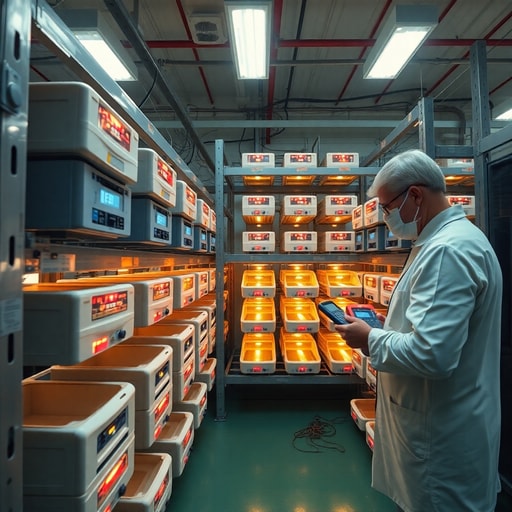
Manufacturing isn’t just about the bill of materials. It is about the aging tests that happen before a single box is taped shut. We run our units through vibration tables and extreme temperature cycles. A toy that survives our testing facility in the Pearl River Delta is a toy that won’t fail in a Chicago living room.
Whether you choose a filter-based or filter-less model, verify your partner’s certification process. Are they using ESP32 chips for stable connectivity? Do they have ISO9001 documentation? If your supplier can’t show you their aging test logs, walk away. You are paying for their lack of rigor.
### Making the Strategic Choice
For those focused on high-end, durable pet tech, the “with filter” route is the only professional path. It protects your motor, ensures longevity, and creates a recurring revenue stream. If you are locked into a low-budget segment, you must force your manufacturer to prove the “sealed-flow” architecture is airtight. Anything less is a liability waiting to happen.
If you are ready to stop guessing and start scaling, I suggest you Explore DDPark Smart Pet Product Catalog. We don’t just assemble plastic; we engineer solutions that survive the chaotic reality of pet ownership. Our team is currently helping brands navigate the shift toward modular, long-lasting hardware.
Don’t let your next product launch become a case study in avoidable returns. Request a Free OEM Quote from DDPark today. We have the data to back up our designs, and we know exactly how to balance your margin goals with the physical realities of the pet tech market. You can also visit our DDPark 10+ Years Manufacturing Expertise page to see how we’ve helped other brands transition from “disposable” to “durable.”
### Frequently Asked Questions
**Q: Does adding a filter significantly hurt my initial unit price?**
A: Not as much as you think. The cost of a basic filter insert is negligible compared to the cost of shipping a replacement unit to an angry customer. The real cost is in the mold design, but it pays for itself in reduced returns.
**Q: Can I use a “no-filter” design if I use high-end materials?**
A: Materials matter, but geometry matters more. If you can’t prevent dust and debris from hitting the motor, the material grade won’t save you. You need a design that physically shields the moving parts.
**Q: How do I manage the SKU count for replacement filters?**
A: Start by bundling a “6-month supply” with the initial purchase. This establishes the habit for the user and simplifies your warehouse management by keeping the filter inventory tied to the primary unit sale.
Ready to Start Your OEM Order?
Contact our B2B team today for pricing, MOQ, and custom branding options.