Top 5 FDA Certified Automatic Litter Box Manufacturers in China: The 2026 Reality Check
Most “smart” pet brands are one bad firmware update away from bankruptcy. If you are searching for the top 5 FDA certified automatic litter box manufacturers in China, you need to stop looking at glossy catalogs and start looking at their reject bins. The industry is currently bifurcating: on one side, you have the “race to the bottom” factories churning out plastic shells that jam within a month; on the other, you have specialized facilities that treat cat waste management like high-end robotics.
My contrarian take? If a manufacturer promises you the lowest unit price, they have already cut the corners that will kill your brand. The most successful importers I’ve consulted this year are actually paying *more* for better sensors and stable cloud integration. They understand that a $5 savings on a PCB board becomes a $50 loss in return shipping and customer support costs.
### Sensory Details from the Factory Floor
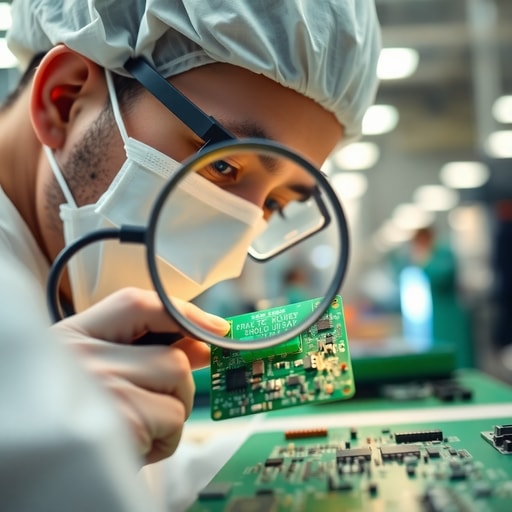
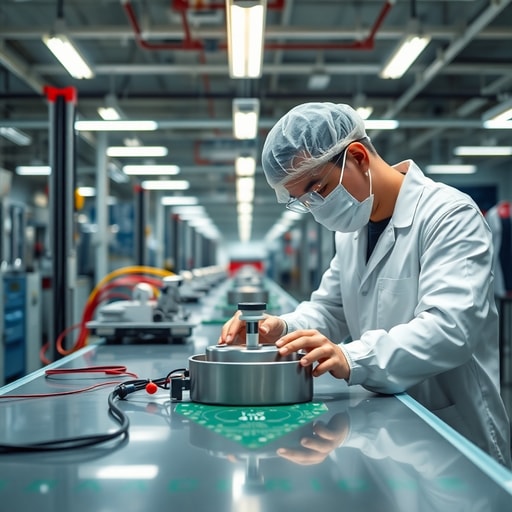
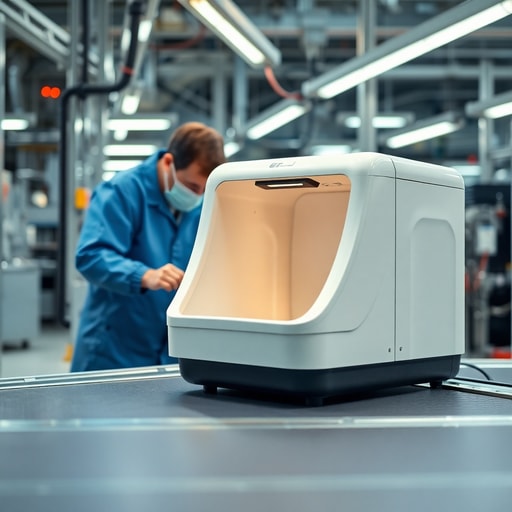
Walking into a top-tier facility in the Pearl River Delta is a jarring experience if you’re used to the chaos of smaller assembly shops. It isn’t just the hum of the injection molding machines; it’s the silence of the QC lab. I remember standing on the line at a partner facility, watching an Automated Optical Inspection (AOI) machine scan a batch of mainboards. The air smelled faintly of ozone and clean plastic.
Every worker wore static-dissipative footwear, and the bins were color-coded with the precision of a surgical theater. When a sensor failed the test, it wasn’t just tossed aside; it was logged, photographed, and sent back to the component supplier. This is the difference between a factory that builds products and a factory that builds reputations. You want the latter.
### The ESP32 Pivot: Why Firmware Matters
The biggest technical shift in the last 24 months has been the transition to standardized, high-performance IoT modules like the ESP32. Early litter box models were notorious for “WiFi ghosts”—devices that would simply drop off the network, leaving the user with a useless, expensive plastic tub.
Smart manufacturers have now integrated OTA (Over-the-Air) update capabilities that actually work. When you vet your factory, ask for their firmware update history. If they cannot explain how they handle a server-side migration, walk away. A litter box that can’t connect is just a heavy, expensive bin. DDPark has built their reputation on this exact stability, ensuring that your app integration doesn’t collapse the moment the user upgrades their home router.
### The FDA and Material Safety
There is a common misconception that “FDA certified” is a blanket term for the whole device. It isn’t. When we talk about FDA compliance in this sector, we are talking about the safety of the materials that touch the cat. You need non-toxic, anti-bacterial plastics that won’t degrade under the acidic properties of feline waste.
Don’t just take their word for it. Demand the test reports. If a factory hesitates to show you their material sourcing documentation, they are likely sourcing recycled plastic from unknown origins. That “bargain” litter box might be saving you money today, but it is leaking chemical compounds that could harm your customers’ pets tomorrow. Trust, but verify.
### Your Vetting Checklist for 2026
If you want to survive the current market shakeout, follow this operational checklist:
1. **Material Safety:** Verify FDA/LFGB compliance specifically for the internal drum and waste tray.
2. **Component Transparency:** Confirm they use industry-standard chips like the ESP32 for IoT.
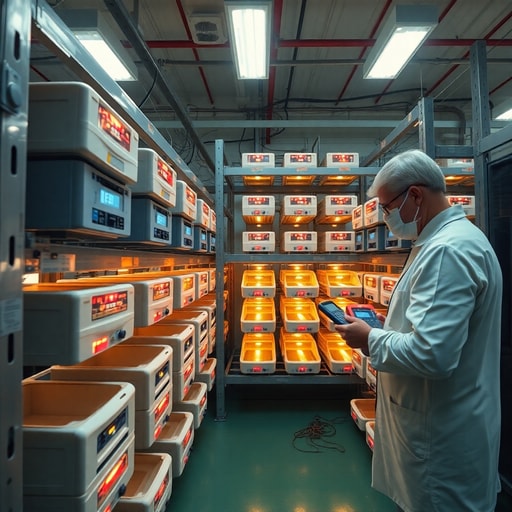
3. **The Aging Test:** Ensure every unit undergoes a 24-hour stress test before it touches a shipping box.
4. **Software Autonomy:** Ask if they have an in-house software team or if they outsource firmware to the cheapest bidder.
5. **Anti-Jam Logic:** Test the physical safety barriers. A cat should never be at risk of a mechanical pinch.
6. **Scalability:** Can they handle a 5,000-unit order as easily as a 500-unit pilot?
7. **Packaging:** Is it drop-test certified for e-commerce? FBA warehouses are not gentle.
If you are struggling to find a partner that hits these marks, Request a Free OEM Quote from DDPark. They have managed to bridge the gap between high-volume production and the meticulous quality control usually reserved for medical devices.
### Why the Pearl River Delta Still Rules
Despite the talk of “China Plus One” strategies, the infrastructure in the Pearl River Delta remains unmatched. You have the sensor manufacturers, the plastic injection experts, and the software engineers all within a two-hour drive. This density creates a feedback loop of innovation.
I’ve seen factories here iterate on a design in 48 hours that would take a Western contract manufacturer six months to prototype. That speed to market is your competitive advantage. However, you must be the one to enforce the quality gate. Never assume the factory is prioritizing your brand’s longevity over their own profit margins. You are the architect of your product’s reliability.
Ready to Start Your OEM Order?
Contact our B2B team today for pricing, MOQ, and custom branding options.
Frequently Asked Questions
Q: Why is firmware stability so critical for automatic litter boxes?
A: These devices rely on IoT connectivity to notify owners of health issues or waste levels. If the firmware is unstable, the device loses its “smart” utility, leading to high return rates and poor user reviews.
Q: Does FDA certification apply to the electronics?
A: No, FDA certification in this context typically refers to the safety and non-toxicity of the materials used in the litter drum and tray, ensuring they are safe for long-term contact with pets.
Q: What is the most common point of failure in low-cost litter boxes?
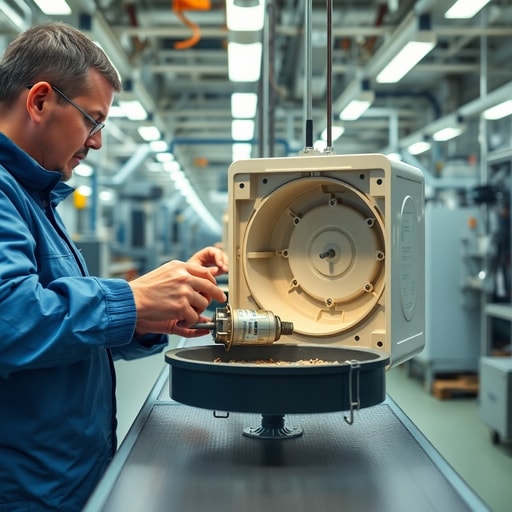
A: Aside from connectivity, the most frequent failure is the motor and gear assembly. Cheap components often strip their teeth or burn out due to the weight of the litter, especially if the sensor logic isn’t calibrated perfectly.