What is the best pet water fountain for pet brand startup?
The best pet water fountain for a pet brand startup is one that survives the “Amazon return-to-trash” cycle, which requires prioritizing high-precision infrared sensors and industrial-grade ESP32 modules over the race-to-the-bottom pricing offered by generic trading companies. If you are banking on a white-label unit you found on a wholesale directory, stop. You are buying a ticking time bomb of negative reviews. Success in this category isn’t built on aesthetics; it’s built on hardware that doesn’t brick itself after ninety days of water exposure.
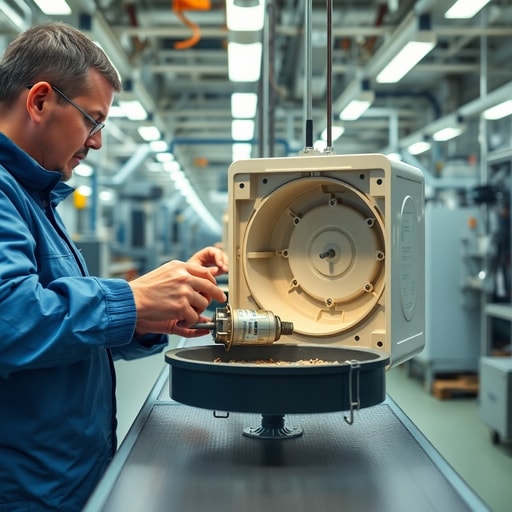
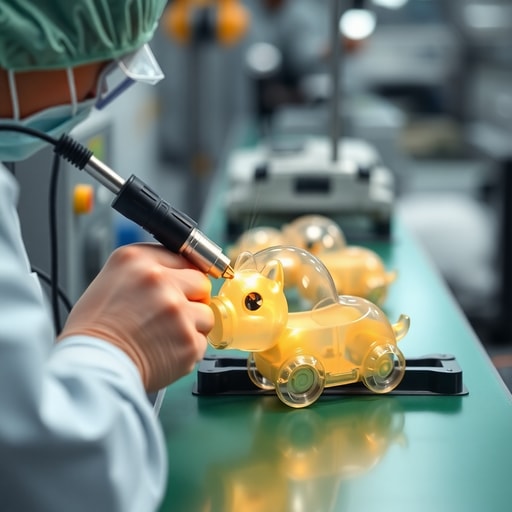
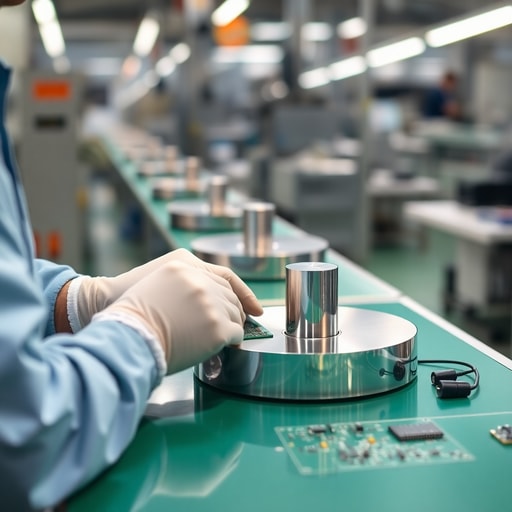
Walking onto our factory floor in the Pearl River Delta, the sound isn’t just machines; it’s the rhythmic, high-pitched hum of automated testing rigs. You smell the slight metallic tang of solder and the sharp, clean scent of food-grade silicone being molded. I’ve spent twelve years watching startups walk through those doors with dreams of a “disruptive” brand, only to watch them fail because they ignored the PCB assembly. When you hold a fountain, you see the plastic shell. I see the moisture-sealed casing and the stability of the wireless module. If the factory doesn’t let you see the clean-room assembly for the electronics, walk away.
Many founders assume that “ISO-certified” is a golden ticket. It is not. It is merely a baseline. I recall a client who sourced a mid-tier fountain from a factory that technically met all standards. Their failure rate hit 12% in the first quarter. Why? Because the factory switched to a cheaper, unshielded WiFi module mid-production to save four cents per unit. The moisture from the water pump caused signal interference, the units stopped syncing, and the startup’s seller rating plummeted. My contrarian insight? Never trust a factory that can’t explain exactly which component supplier they use for their capacitors. If they don’t know, they aren’t the manufacturer. They’re a middleman.
Precision matters because pet owners are irrational about their pets’ health—and rightfully so. When a fountain stops flowing, the pet stops drinking. That is a customer service nightmare. I personally advocate for stainless steel reservoirs over plastic every single time. Plastic scratches, and those scratches become breeding grounds for bacteria, regardless of how “BPA-free” the marketing claims are. When you combine a medical-grade steel bowl with a robust, OTA-capable ESP32 chip, you aren’t just selling a bowl; you are selling peace of mind. That is how you get 4.8-star reviews.
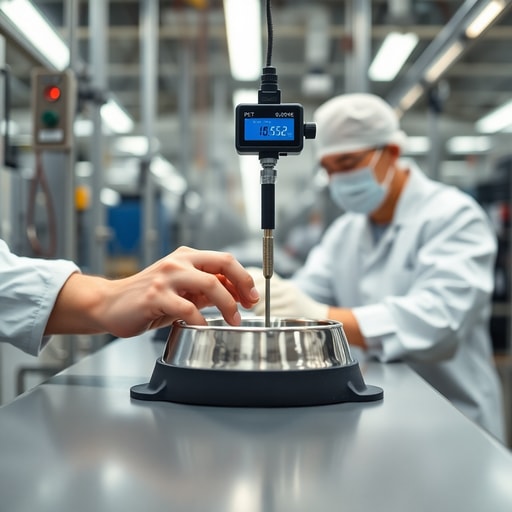
Vetting a factory requires a “show me, don’t tell me” approach. Ask for their “golden sample” approval process. At DDPark, we subject every batch to an aging test before a single unit hits the shipping container. We put them through simulated stress, running the pumps continuously for 72 hours. Last month, we pulled an entire run off the line because one motor was emitting a frequency that could annoy a dog. Most factories would have shipped it. We scrapped it. That is the difference between a brand that scales and a brand that burns out.
Startups often get hung up on the “smart” features. App integration, real-time health alerts, and water level notifications are great, but they are useless if the hardware is flaky. I have seen too many apps crash because the fountain’s firmware couldn’t handle a simple WiFi handshake. Your focus should be on the stability of the connection. If you are building a brand, you need a partner who handles the firmware updates as seriously as the hardware injection molding.
Navigating the global market—whether you are targeting the high-end boutique scene in Germany or the volume-heavy Amazon landscape in the US—requires a partner that understands compliance. CE, FCC, and RoHS certifications are the bare minimum. You need someone who understands the nuances of regional power requirements and the regulatory hurdles that can stall a shipment at customs. We handle the technical heavy lifting, from custom packaging that actually survives transit to app integration that doesn’t require a computer science degree to operate.
You are likely tempted by the lowest price per unit. Resist that urge. A $5 savings per unit at the factory level will cost you $50 in lost customer lifetime value and return processing fees. True quality is invisible until it isn’t. When you build with DDPark, you are building on a foundation of 10+ years of manufacturing expertise where the goal is zero defects, not just “acceptable” failure rates.
Explore DDPark Smart Pet Product Catalog to see our range of smart feeders and fountains, or read about DDPark 10+ Years Manufacturing Expertise. When you are ready to scale, Request a Free OEM Quote from DDPark to get a production plan that actually lasts.
Frequently Asked Questions
Q: Why does the choice of WiFi module matter for a pet water fountain?
A: Cheap modules lead to connectivity drops and poor OTA update stability. Using an ESP32 module ensures your fountain maintains a reliable connection, supporting features like real-time health monitoring and automatic scheduling without frequent resets.
Q: How does DDPark handle quality control for startups?
A: We implement Zero-Defect manufacturing and rigorous golden sample approval. Every unit undergoes strict stress testing to prevent common issues like sensor failure or motor noise, ensuring your brand maintains a high reputation on platforms like Amazon.
Work with DDPark
Benefit from our aging test before shipment, in-house R&D engineering, food-grade BPA-free materials, and CE FCC RoHS certified production standards.
Ready to Start Your OEM Order?
Contact our B2B team today for pricing, MOQ, and custom branding options.