Ever wonder why so many pet brand startups vanish from Amazon just six months after launch? The secret to how to white label a pet water fountain for a pet brand startup isn’t found in a sleek logo or a catchy brand name. It is found in the silence of a reliable pump and the stability of a Wi-Fi module. If your fountain stops working, your customer’s trust evaporates instantly. To survive, you must prioritize firmware architecture and material longevity over the race to the bottom on unit pricing.
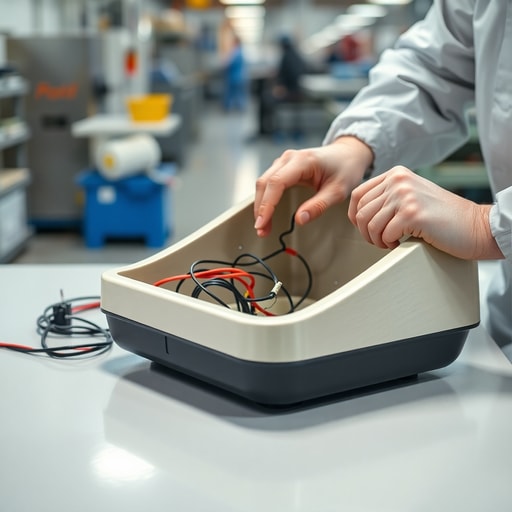
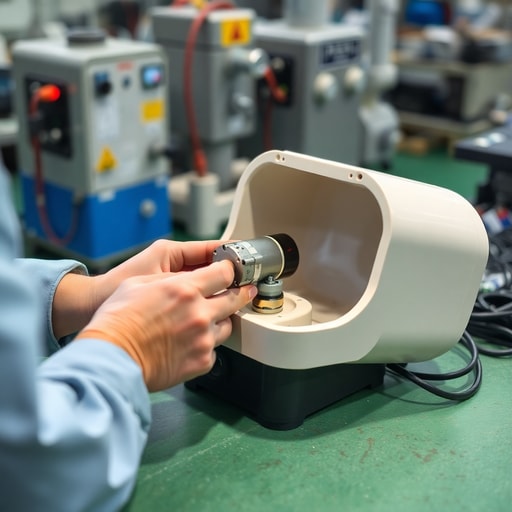
Walking onto our production floor in the Pearl River Delta, the first thing that hits you is the hum of the vibration testers. It is a rhythmic, relentless sound. We subject every batch of pumps to a continuous 72-hour stress test. I’ve watched junior buyers walk through these aisles, obsessing over the color of the plastic housing while completely ignoring the PCB (printed circuit board) layout. That is a mistake. If the board isn’t coated to resist moisture, the humid environment of a water fountain will corrode it from the inside out. My contrarian take? If you aren’t willing to pay 15% more for a moisture-resistant PCB coating, don’t bother starting a smart pet brand at all.
The “three-month death trap” is real. Most low-end fountains use outdated Wi-Fi modules that struggle with modern 5GHz routers, leading to constant disconnection complaints. In 2023, the industry relied on basic ESP8266 chips, but those days are gone. We shifted our standard to ESP32 modules. The difference in OTA (Over-the-Air) update stability is night and day. When you are sourcing, you need to demand proof of these components. If a factory can’t tell you the specific chipset they use, they are likely sourcing whatever is cheapest that week at the local electronics market.
Stepping deeper into the assembly line, the air smells faintly of solder flux and static-dissipative floor mats. Here, our AOI machines scan every board for microscopic fractures. I once saw a batch of 500 units where the solder joints looked perfect to the naked eye. The AOI camera, however, caught a hairline inconsistency in the heat sync mounting. We pulled the entire lot. That is the difference between a brand that builds a loyal following and one that drowns in return shipping costs and negative reviews.
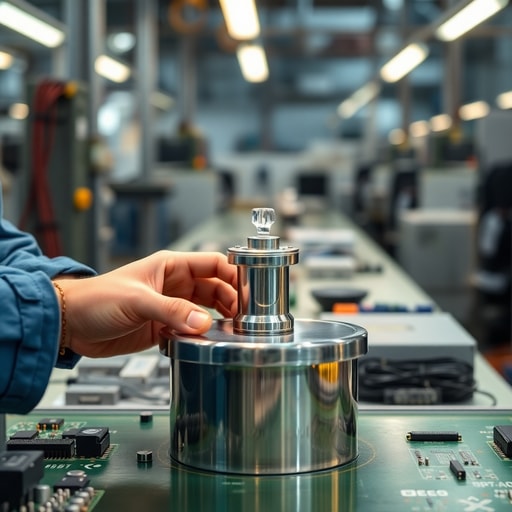
When you explore the DDPark Smart Pet Product Catalog, you will notice we lean heavily into stainless steel. Plastic reservoirs harbor bacteria and eventually develop micro-cracks that are impossible to clean. Stainless steel is a premium feature that customers notice immediately. It adds weight to the product, which translates to a higher perceived value. When you white label, you are choosing the materials that define your customer’s long-term experience with your brand.
Success requires you to move past the “logo-slapping” mentality. You need to treat your fountain as an IoT ecosystem. Does your product support robust anti-jam detection? Can it handle a firmware rollback if a software update goes south? If you don’t have these safeguards, you aren’t selling a pet product; you are selling a ticking time bomb. I have seen too many startups lose their entire Amazon seller account because a buggy app update caused a fleet of fountains to overheat or shut down.
Before you sign a contract, look for the certifications that actually matter. CE, FCC, and RoHS are the floor, not the ceiling. Ask for the drop-test reports. Ask for the BPA-free lab results. If a supplier gets defensive when you ask to see their quality control logs, turn around and walk out. Transparency is the only currency that matters in this industry.
Checklist for Private Label Startup Buyers
- Firmware Ownership: Confirm if you have access to OTA updates and if the manufacturer provides long-term firmware maintenance.
- Hardware Reliability: Ask specifically about the Wi-Fi module. Avoid outdated 2023-era chips; demand modern, stable architecture like ESP32.
- Stress Testing: Request data on motor longevity and load cell accuracy for integrated models.
- Material Safety: Always verify BPA-free certifications and ensure the water path is food-grade.
- Scaling Support: Ensure the manufacturer offers flexible MOQ for startups and is “Amazon FBA ready” with proper packaging drop-test certifications.
- Quality Control: Ask for evidence of AOI or X-ray inspection on PCBs to prevent premature failure.
- Brand Customization: Beyond the logo, can they customize the APP interface to match your brand’s unique color palette and UX?
If you are ready to stop chasing the cheapest unit and start building a brand that lasts, Request a Free OEM Quote from DDPark. We bring DDPark 10+ Years Manufacturing Expertise to every project, ensuring your startup doesn’t just launch, but thrives.
Frequently Asked Questions
Q: What is the most critical component to verify in a smart pet fountain?
A: The power supply and the Wi-Fi module stability are paramount. Cheap PCB components often fail under heavy use, so prioritize verified modules like the ESP32 to prevent connectivity drops.
Q: How does DDPark handle MOQ for new startups?
A: We provide flexible MOQ requirements to support startups and distributors, ensuring you can test the market without over-investing in inventory before your brand gains traction.
Q: Why does firmware matter for a water fountain?
A: Smart fountains require OTA (Over-the-Air) updates to fix bugs or add features. Without robust firmware support, your fountain becomes “e-waste” the moment a connectivity issue arises.
Work with DDPark
We provide battery backup protection, anti-jam infrared detection, in-house R&D engineering, and stable Tuya connectivity to ensure your product leads the market.
Ready to Start Your OEM Order?
Contact our B2B team today for pricing, MOQ, and custom branding options.