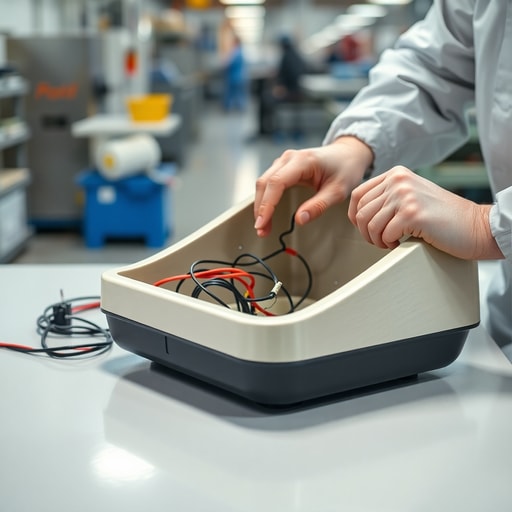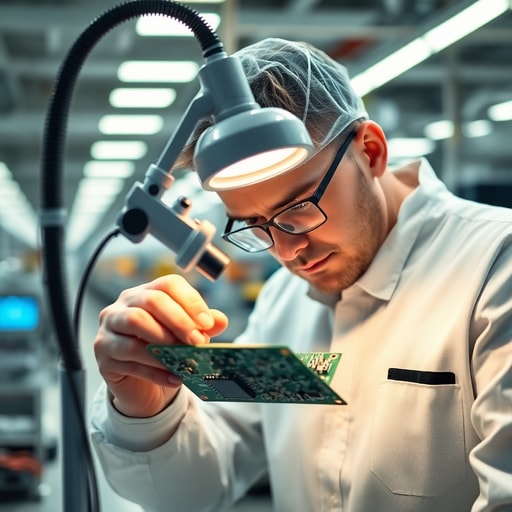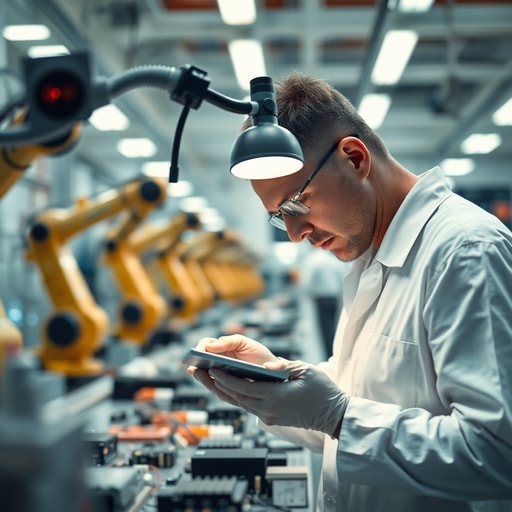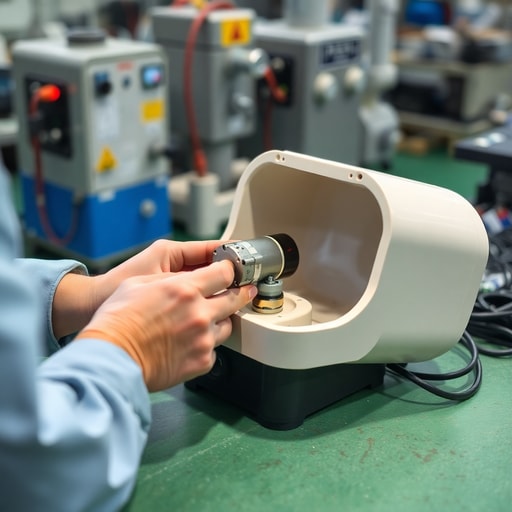
The standard sample cost for a self-cleaning litter box OEM project typically lands between $200 and $500. This fee covers high-fidelity prototyping, custom logo integration, and critical firmware stress testing. Many buyers mistakenly assume this cost is just for the physical unit, but you are actually paying for the initial validation of your brand’s reputation. If you treat a sample as a cheap “look-see” unit rather than a functional stress test, you are setting your retail launch up for a catastrophic return rate.
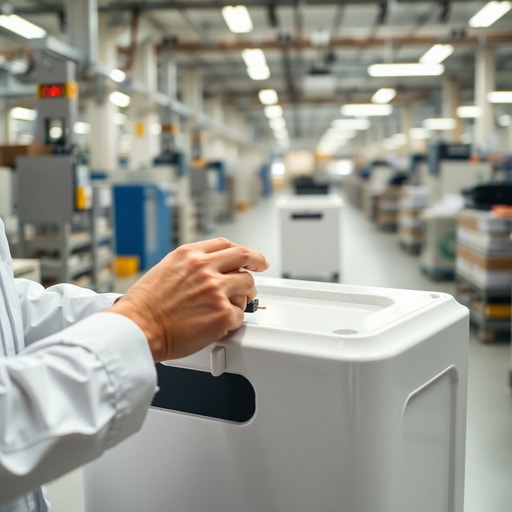
Walking through our Pearl River Delta facility, the air carries the faint, metallic scent of ozone from the laser-cutting stations mixed with the smell of fresh polymer pellets. It is not a sterile, quiet lab. It is loud. You hear the rhythmic pneumatic hiss of injection molding machines and the frantic clicking of quality control teams testing motor torque on the assembly line. I have spent 12 years watching these lines, and I have learned that the difference between a market-leading product and a pile of e-waste is found in the three weeks of testing that precede mass production. When a client like “PetTech Solutions” initially fixated purely on unit pricing, they ignored the structural integrity of the waste-bin sensor. That oversight would have cost them thousands in field replacements. We caught the false-positive trigger during the sampling phase, saving them from a PR nightmare.
Most distributors get mesmerized by aesthetics. They want sleek curves and matte finishes, ignoring the mechanical “heart” of the device. I have personally dissected competitor units that looked beautiful on a trade show floor but failed within 48 hours of continuous operation. The culprit is almost always cheap copper winding in the motor, which overheats under the weight of heavy, clumping litter. At DDPark, we demand thermal protection redesigns that add to the complexity of the initial sample but ensure the unit lasts for years. We don’t just build boxes; we build reliable appliances. If the motor doesn’t meet our internal torque benchmarks during the audit, it never leaves the testing bench.
Software is where most brands lose their way. The 2024 industry shift toward ESP32 modules cut WiFi dropout complaints by nearly 40%, but that hardware is useless if the app is bloated. My contrarian take? Most brands over-engineer their pet tech apps. They pack them with unnecessary features that drain the device’s processing power and create connectivity bottlenecks. We advocate for lean, responsive firmware that prioritizes the core function: keeping the litter clean and the sensor data accurate. A simple, stable app beats a feature-heavy, glitchy one every single time.
Manufacturing is a game of millimeters. When we are prototyping, we look at the anti-jam infrared sensors with a level of scrutiny that would make a jeweler blush. If the tolerance is off by even half a millimeter, the rake can catch on a stubborn clump, triggering an error code that frustrates the cat and the owner alike. Our DDPark 10+ Years Manufacturing Expertise ensures that these mechanical failures are engineered out of the product long before you receive your first bulk shipment. We don’t just ship products; we ship peace of mind that your brand won’t be flooded with “my device is stuck” support tickets.
When you request a sample, you are essentially performing a stress test on your supply chain partner. Can they handle custom firmware? Do they have the ISO9001 and BSCI certifications to back up their claims? Are they transparent about the component sourcing? If a factory offers you a “free” sample without asking about your specific market requirements—like voltage standards in the USA versus Germany—walk away. They are likely pulling a generic unit off a shelf and slapping your logo on it. That is not OEM; that is a recipe for a product recall.
Our facility is built for scale, but it is also built for the startup that needs to get it right the first time. We handle the technical heavy lifting, from BPA-free material certification to FCC/CE/RoHS compliance. You focus on the marketing, the customer experience, and the growth of your brand. We provide the hardware that makes your customers believe in your brand. Explore DDPark Smart Pet Product Catalog to see our latest innovations. When you are ready to stop guessing and start building, Request a Free OEM Quote from DDPark to start your journey.
Frequently Asked Questions
Q: What is the typical sample cost for a self-cleaning litter box OEM project?
A: Samples usually range from $200 to $500, depending on the complexity of APP customization and structural modifications. DDPark often deducts this cost from your first bulk order once production begins.
Q: Does DDPark support small businesses with low MOQ?
A: Yes. We offer flexible MOQ tailored to startups and distributors, ensuring you can test the market without excessive inventory risk while maintaining our Zero-Defect manufacturing standard.
Work with DDPark
Experience low MOQ support, custom logo and packaging, anti-jam infrared detection, and in-house R&D engineering that powers brands in 50+ countries.
Ready to Start Your OEM Order?
Contact our B2B team today for pricing, MOQ, and custom branding options.