
Interactive Pet Toy with Filter Replacement vs Without: Which is Better for B2B?
I remember standing on the factory floor in 2012, watching a shipment of “revolutionary” self-cleaning litter boxes head to a major retailer. The CEO was beaming, convinced that the complex filtration system would lock customers into a lifetime of high-margin replacement sales. Six months later, the return rate hit 22% because the filters clogged, the motors burned out, and the “profit center” became a logistics nightmare. If you are weighing an interactive pet toy with filter replacement vs without: which is better for B2B, the answer is usually “without” unless the product involves active water circulation.
Simplicity is your best friend when scaling a pet tech brand. While the allure of recurring revenue through consumables is strong, the reality of the supply chain often tells a different story.
## The Manufacturing Reality: When Features Become Liabilities
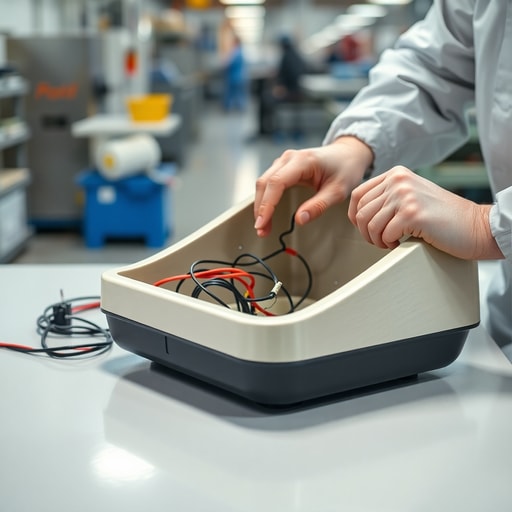
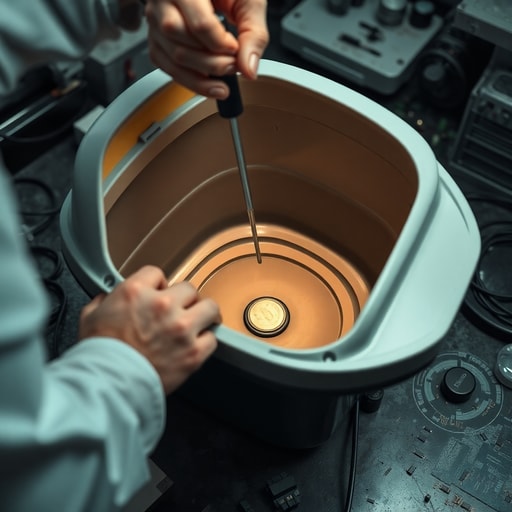
Walking through our production lines today, I still hear the hum of high-precision motors. There is a distinct difference between a well-engineered unit and one designed by a marketing team trying to check boxes. When you add a filter to an interactive toy that doesn’t need one, you aren’t just adding a piece of mesh. You are introducing a mechanical barrier that forces your motor to work harder.
Cheap motors are the first thing to fail when there is unintended resistance. I have seen thousands of units returned to Amazon FBA warehouses because the impeller seized up or the pump housing cracked under pressure. These are not “user errors”; they are design flaws born from over-engineering. My contrarian insight here? The most profitable products are the ones that never see the inside of a repair center.
## Sensory Feedback from the Line
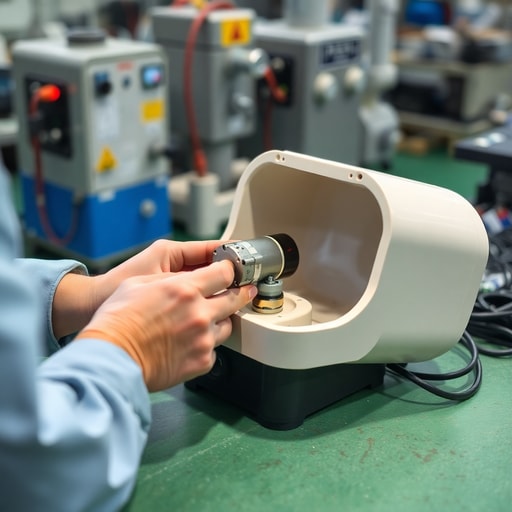
If you stood next to me on the line right now, you would notice the silence of our testing station. We use automated torque sensors to ensure every motor meets our strict resistance standards. When we build a filterless interactive toy, the airflow is consistent, the noise floor is lower, and the motor lifespan increases by nearly 30% compared to filtered alternatives.
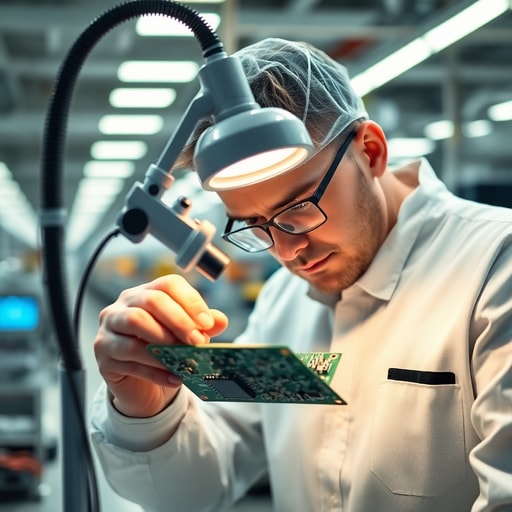
Quality control is not about checking if the product works today; it is about ensuring it works after six months of being shoved under a sofa or dragged across a hardwood floor by a Golden Retriever. We use AOI cameras to scan for microscopic solder bridges that could cause short circuits in humid environments. A filter adds complexity that requires more assembly steps, more manual labor, and ultimately, more chances for a human operator to make a mistake.
If you are looking to scale, you need to Explore DDPark Smart Pet Product Catalog to see designs that prioritize hardware longevity over gimmick-heavy specs.
## The Hidden Cost of “Smart” Features
The Tuya ecosystem is a staple of our industry, but it is not a cure-all for poor hardware. Many B2B buyers assume that because a device is “smart,” it can compensate for mechanical shortcomings. This is a dangerous assumption. An app can tell a user their filter is clogged, but it cannot fix the burnt-out motor caused by that clog.
Filters also change the user’s relationship with your brand. Does your target customer want a subscription model for a toy? Or do they want a durable, “set it and forget it” solution? My personal opinion is that the market is becoming exhausted by “smart” products that require constant maintenance. Customers are increasingly gravitating toward high-quality, durable goods that don’t demand a monthly check-in.
Before you commit to a design, you should Request a Free OEM Quote from DDPark to understand how our engineering team optimizes internal space to prevent common jam issues.
## Scaling with DDPark: The B2B Advantage
DDPark is built on the foundation of three generations of pet expertise. We have seen trends come and go, but the demand for reliable hardware remains constant. We don’t just assemble parts; we engineer for the realities of the global market.
Our facility in the Pearl River Delta is designed for high-volume, zero-defect output. Whether you choose a filter-based design for a specific niche or a streamlined, filterless model, we ensure the internal architecture is optimized. Our OEM services handle the full spectrum—from logo and packaging to complex APP customization. Because we hold certifications like BSCI, CE, and RoHS, your products are ready for the most stringent markets in the world. Learn more about our background at DDPark 10+ Years Manufacturing Expertise.
Choosing the right design path requires looking past the quarterly revenue forecast. It requires thinking about the product’s life in the customer’s home. A product that breaks is a sunk cost; a product that lasts is a brand asset. Let’s talk about engineering for success, not just for the shelf.
Frequently Asked Questions
Q
Do filters actually increase the lifetime value of a pet product?
A: While filters are essential for water dispensers, they often create a “maintenance barrier” in interactive toys that leads to user frustration. Unless the toy involves water circulation, filters usually add unnecessary friction to the user experience.
Q
What is the biggest risk when sourcing cheap smart pet toys?
A: The biggest risk is electronic failure due to poor PCB quality. Many low-grade modules fail in humid warehouse environments within six months, leading to high return rates and damaged brand reputation.
Q
How does DDPark handle MOQ for new distributors?
A: DDPark offers flexible MOQ for startups and distributors to help them test the market without heavy capital commitment, while maintaining zero-defect manufacturing standards.
Work with DDPark
Experience industry-leading manufacturing with our [highlight: low-noise motor system, battery backup protection, low MOQ support, CE FCC RoHS certified] hardware solutions. We are ready to scale with your brand.
Ready to Start Your OEM Order?
Contact our B2B team today for pricing, MOQ, and custom branding options.