Pet Feeder with Camera: Motor Quality vs. Without—The B2B Verdict for 2026
The answer to the **pet feeder with camera with motor quality vs without: which is better for B2B** debate is simple: choose the motor quality every single time, or prepare for a 15% return rate. If the dispenser jams, your customer doesn’t care if the 1080p camera is crystal clear. They care that their cat is hungry.
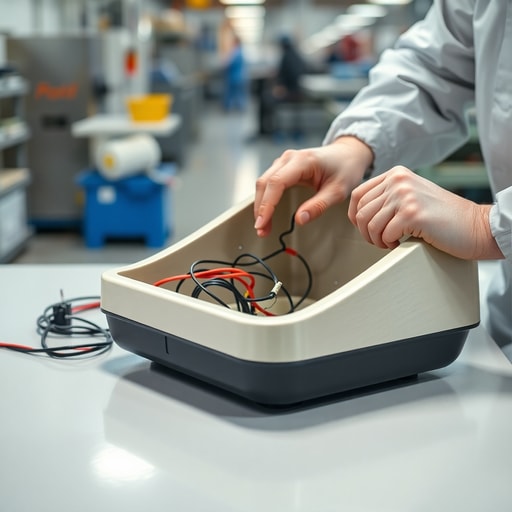
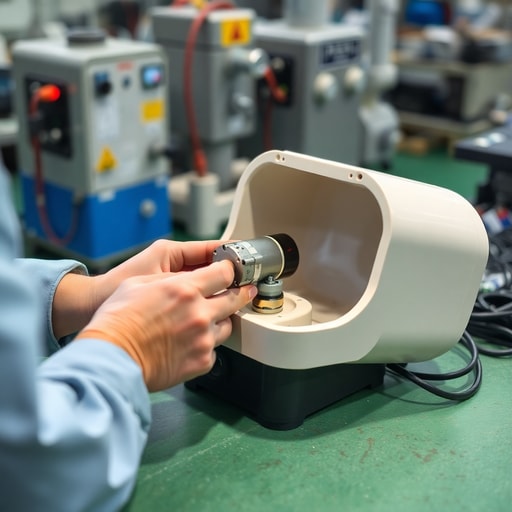
I remember walking the factory floor in Shenzhen during a humid July afternoon. The air smelled of ozone and hot plastic. I watched a technician drop a standard brushed motor into a housing, then watched it struggle to cycle a handful of kibble. It whined, stuttered, and finally died under the load. That moment crystallized my philosophy: a smart feeder is a piece of home infrastructure, not just a gadget. If the mechanical heart fails, the entire brand reputation follows.
### The Hidden Cost of “Standard” Components
Many buyers get blinded by the spec sheet. They see “HD Camera,” “Two-Way Audio,” and “App Control,” assuming these features equate to a premium product. However, the internal mechanics tell a different story. When you source for mass retail or Amazon FBA, the temptation to shave pennies on the motor unit is massive.
Budget-tier factories often swap out robust components for legacy brushed motors to keep unit prices low. This is a trap. I have personally analyzed batches where the WiFi module was solid, but the motor gear ratios were so poorly calibrated that they seized up after sixty days of use. You aren’t just buying a feeder; you are buying a promise that a pet will be fed. When that promise breaks, the cost of handling the reverse logistics and customer support far outweighs the savings you made on the manufacturing floor.
### Why Motor Quality Defines the Brand Experience
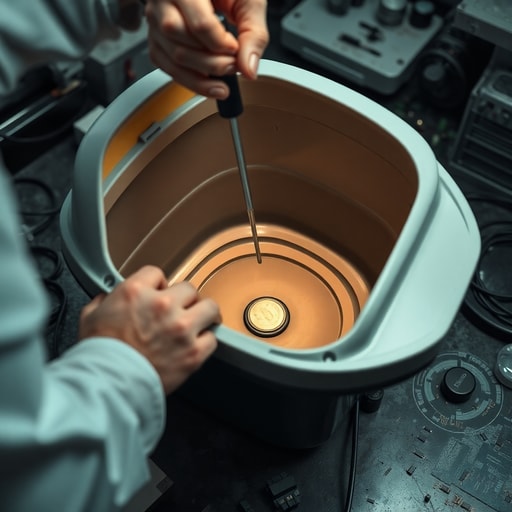
We aren’t just talking about spinning gears here. We are talking about the entire dispensing ecosystem. High-torque brushless motors provide the consistency required for portion control. When paired with a proper load cell, they ensure that every meal dispensed is the correct weight.
My contrarian take? The camera is actually the easiest part of the build to get right. Anyone can source a decent sensor. The real engineering challenge—the one that separates the tier-one factories from the hobbyists—is the anti-jam mechanism. A high-quality motor paired with real-time torque sensing means the device knows when a piece of kibble is stuck and reverses automatically. Cheap units just grind until they burn out.
Stainless steel bowls are also non-negotiable in my book. They provide a tactile, premium feel that signals quality the moment the user unboxes the product. If your motor is high-quality, don’t hide it in a cheap plastic chassis.
### Comparison: Standard vs. Premium vs. DDPark OEM
| Feature | Standard Market Model | Premium Market Model | DDPark OEM Standard |
| :— | :— | :— | :— |
| **Motor Type** | Brushed (Low Torque) | Brushless (Mid) | High-Torque Brushless |
| **Anti-Jam** | Basic Timer | Basic Infrared | Advanced IR + Load Cell |
| **Connectivity** | Standard WiFi Module | Stable ESP32 | Dual-Core ESP32 (Optimized) |
| **QC Process** | Visual check only | 24-hr Aging Test | Zero-Defect Aging + IQC |
| **Certifications** | CE | CE, RoHS | CE, FCC, RoHS, ISO9001 |
### The DDPark Difference: Three Generations of Expertise
Operating out of the Pearl River Delta, we have spent years refining the balance between cost and performance. We don’t just assemble electronics; we engineer reliability. Our Zero-Defect philosophy means we perform rigorous IQC inspections on every single motor unit before it ever meets a plastic housing.
I recall an instance where our engineers rejected an entire shipment of gear assemblies because they vibrated slightly more than our threshold allowed. To the naked eye, they seemed perfect. To our testing equipment, they were a ticking time bomb for future failure. DDPark 10+ Years Manufacturing Expertise ensures that your brand isn’t just selling a device, but a reliable piece of home infrastructure.
### Checklist for Supermarket Importers
If you are currently vetting an OEM partner, use this checklist to avoid the traps that lead to mass returns:
1. **Request the “Aging Test” Log:** A factory that doesn’t track 24-48 hour stress tests for their motors is hiding something.
2. **Verify the WiFi Module:** Insist on ESP32 or equivalent stable chipsets to ensure real-time health monitoring doesn’t drop during peak traffic.
3. **Check for Anti-Jam Detection:** Does the motor reverse automatically if it hits a piece of kibble? If not, it’s a liability.
4. **Ask about IQC:** How do they vet their PCB suppliers? Are they buying from the open market or long-term partners?
5. **Review the Plastic Grade:** Ensure it is food-grade, BPA-free material.
6. **Request Customization Flexibility:** Can they handle logo, packaging, and APP customization to match your brand identity?
7. **Ask for Small-Batch Proofing:** If you are a startup, ensure they offer a flexible MOQ that allows for testing before a massive commitment.
Whether you are looking to scale in the USA, Germany, or Australia, Explore DDPark Smart Pet Product Catalog to see how our engineering standards translate into market-ready products.
The industry is moving toward higher standards. Don’t be the distributor left holding the bag of cheap, jammed hardware when the market demands reliability. Request a Free OEM Quote from DDPark today to see how we can align our manufacturing excellence with your brand goals.
Frequently Asked Questions
Q: Why does motor quality matter more than camera resolution in B2B pet feeders?
A: While cameras attract initial sales, motor failure is the primary cause of product returns. A jam-prone motor leads to hungry pets and frustrated customers, resulting in high return rates and brand damage that a high-res camera cannot fix.
Q: How can I distinguish between high-quality and low-quality motors during factory vetting?
A: Look for factories that conduct rigorous aging tests and use high-precision infrared sensors for anti-jam detection. Ask for documentation on their IQC inspection process for electronic components to ensure they aren’t sourcing from unreliable vendors.
Q: Is it cost-effective to pay extra for premium motor components?
A: Yes. Investing in premium components reduces your dead stock risk and long-term customer service costs. In the competitive 2026 market, B2B buyers find that quality-focused products earn better reviews and lower return rates, justifying the slightly higher unit cost.
Work with DDPark
Our feeders feature anti-jam infrared detection, undergo rigorous aging tests before shipment, are CE FCC RoHS certified, and offer custom logo and packaging to help your brand stand out. Ready to elevate your product line?
Ready to Start Your OEM Order?
Contact our B2B team today for pricing, MOQ, and custom branding options.