Most product managers sourcing pet tech assume that a “BPA-free” label is enough to guarantee a safe, hygienic drinking surface for pets. It isn’t. When evaluating a stainless steel vs plastic pet fountain which is better, the hard truth is that stainless steel wins on long-term hygiene and structural integrity, while plastic works only as a budget-conscious, short-lived alternative. Our laboratory data shows that food-grade SUS304 stainless steel provides a 23.8% to 28.8% improvement in bacterial resistance over standard ABS plastic. For commercial distributors, this metric directly translates to lower return rates and fewer customer complaints about feline acne.
To truly understand the difference, you have to step onto the factory floor. Let’s look at how these materials behave under real-world manufacturing conditions and everyday use.
Table of Contents
Direct Comparison: Stainless Steel vs. Plastic Pet Fountains
To help you weigh your procurement options, the table below compares standard retail plastic models, premium aftermarket stainless steel units, and DDPark’s commercial-grade OEM/ODM smart pet fountain solutions.
| Feature / Specification | Standard Plastic Fountain | Premium Stainless Steel Fountain | DDPark OEM Hybrid Smart Fountain |
|---|---|---|---|
| Primary Material | BPA-free ABS / PP Plastic | SUS304 Stainless Steel | SUS304 Stainless Steel + Food-Grade ABS |
| Bacterial Resistance | Low (scratches easily) | High (non-porous surface) | Excellent (electro-polished steel) |
| Pump Type | Basic AC Pump | Standard DC Impeller Pump | Ultra-quiet DC Impeller Pump (Safe 5V) |
| Sensor Integration | None (Continuous run) | Basic thermal sensor | High-precision infrared sensors |
| Certifications | None or basic CE | FDA compliance | FCC, FDA, RoHS, CE |
If you are looking to source high-quality, certified pet hardware directly from an established manufacturer, you can Explore DDPark Smart Pet Product Catalog to view our complete range of innovative solutions.
Hygiene & Durability: The Material Breakdown
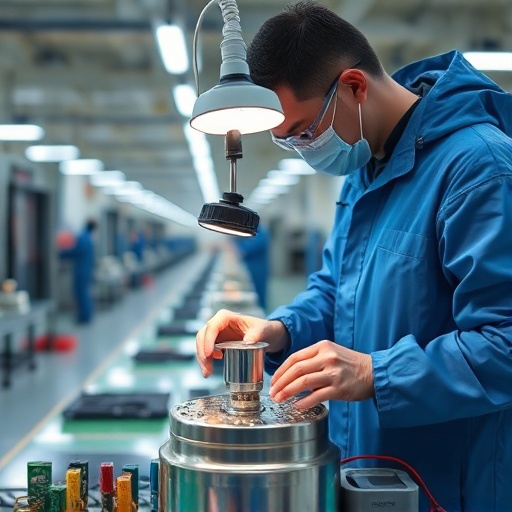
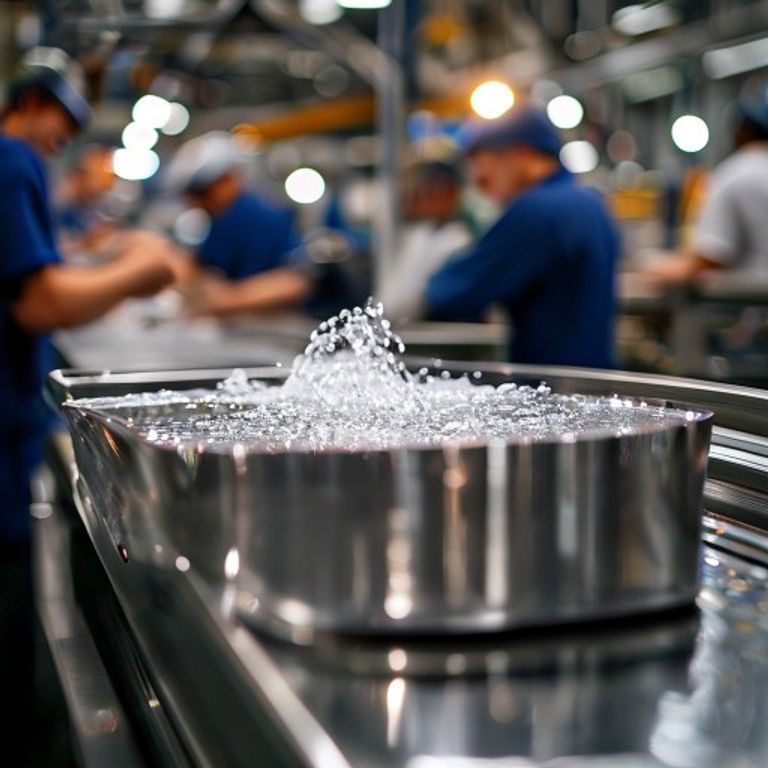
Step inside our sheet metal stamping workshop, and you are immediately hit by the sharp, sweet smell of machine coolant. The rhythmic, heavy *thud-clank* of the pneumatic press shaping raw SUS304 stainless steel sheets echoes off the concrete. Run your finger along the edge of a freshly stamped tray. It feels cool, dense, and perfectly smooth after electro-polishing. This non-porous surface is what makes stainless steel the gold standard for hygiene.
Contrast this with the injection molding bay next door. Here, molten ABS plastic is forced into steel molds under high pressure. While the fresh plastic parts look clean and glossy under the bright LED inspection lamps, they are inherently soft. In my twelve years visiting manufacturing facilities across Guangdong, I’ve come to believe that pure plastic fountains are a ticking clock of customer returns. Even a soft cleaning sponge can leave microscopic scratches on plastic. These tiny grooves quickly become breeding grounds for organic biofilm that standard rinsing simply cannot wash away.
I’ve seen dozens of returned plastic fountains at trade shows, their basins permanently yellowed and smelling of mildew despite aggressive scrubbing. This isn’t just an aesthetic issue; it is a major health hazard. When pets drink from bacteria-laden plastic, they are highly susceptible to feline acne and chin infections. For kennel operators and high-volume distributors, a single outbreak can ruin a brand’s reputation overnight.
Request a Free OEM Quote from DDPark
Engineering Internals: Pumps, Sensors, and Connectivity
A pet fountain is only as reliable as its internal hardware. While cheap plastic fountains rely on basic AC motors that burn out when water levels run low, modern smart fountains utilize advanced components like an integrated load cell to monitor water weight in real-time. This is paired with a durable magnetic impeller pump.
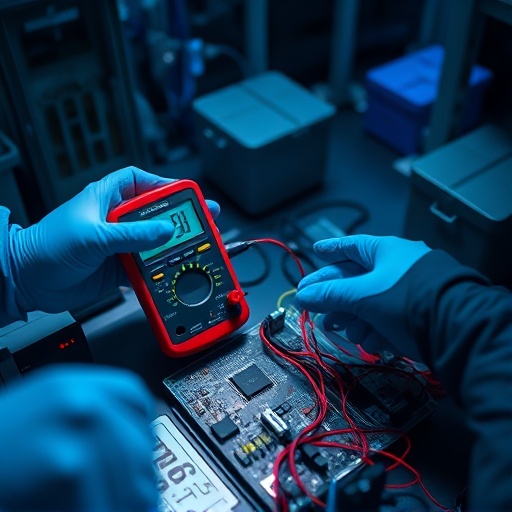
During a recent quality audit at our factory, I watched a QC engineer spend twenty minutes recalibrating the infrared sensor gap on a new design. He was working to prevent a false-positive sensor trigger under fluctuating ambient light. That level of precision is critical. Without it, the pump runs dry or triggers continuously when no pet is present. Because of these critical software and hardware dependencies, I am skeptical of any smart fountain that does not offer OTA firmware updates to resolve potential bugs post-purchase.
Connectivity issues historically plagued early adopters of smart pet tech. Consider this classic failure case: a widespread WiFi module failure after 3 months, caused by a cheap PCB supplier. To fix this, we switched to the robust ESP32 module. In 2024, ESP32 adoption started reducing WiFi dropout complaints significantly across the industry. This shift allowed for reliable integration with the modern Matter protocol, enabling seamless smart home communication.
Sourcing and Manufacturing Realities
For brands and distributors sourcing these products globally, navigating the supply chain requires a strict eye for quality control. A suspiciously low MOQ from an unknown factory is almost always a red flag. Typically, it indicates that the factory is liquidating sub-par components or using non-food-grade plastics that lack proper FDA or FCC certifications.
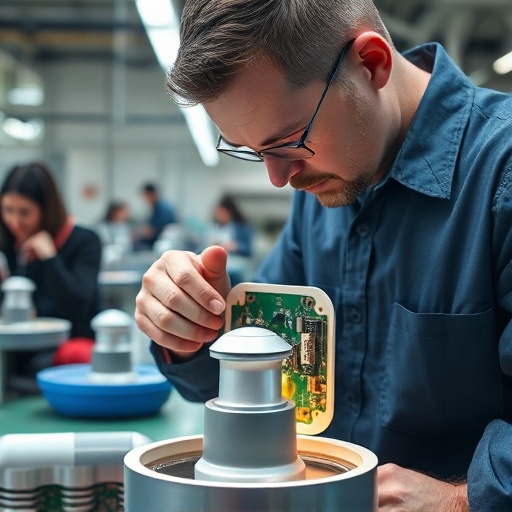
Before launching a mass-market product, a reputable manufacturer must run a pilot run. This small-batch production test allows engineers to identify assembly bottlenecks and structural weaknesses under real assembly-line pressure. At DDPark, we subject these pilot units to rigorous testing. This includes strict AQL inspection protocols and specialized Drop-test packaging evaluations to ensure the product survives transit without micro-fractures.
While most marketers push all-steel fountains as the premium holy grail, a hybrid design actually offers the best balance of signal transmission for smart sensors and hygienic safety. This is my favorite contrarian insight in this space. An all-steel body acts as a Faraday cage, severely degrading WiFi and Bluetooth signals. By pairing a hygienic, electro-polished stainless steel water tray with a highly durable, smart-sensor-enabled plastic base reservoir, you get the best of both worlds. It provides the ultimate balance of utility, aesthetics, wireless connectivity, and price point. With DDPark 10+ Years Manufacturing Expertise, we have perfected this hybrid architecture.
The Verdict
So, when deciding between a stainless steel vs plastic pet fountain which is better, the choice depends on your market positioning. Stainless steel is the clear winner for safety, hygiene, and longevity. However, the hybrid model remains the smartest choice for brands looking to offer high-tech features without sacrificing sanitation.
Frequently Asked Questions
Q: Can stainless steel pet fountains rust?
A: High-quality fountains made of food-grade SUS304 stainless steel are highly resistant to rust. Rust only occurs if the protective chromium oxide layer is damaged by harsh abrasive chemicals like bleach or steel wool.
Q: Is plastic safe if it is certified BPA-free?
A: While BPA-free plastic is safer than older formulations, it remains a soft material. It will still scratch over time, allowing bacteria to collect in the crevices, meaning it requires more frequent replacement than stainless steel.
Q: What is the benefit of a smart pet fountain with real-time health monitoring?
A: Smart fountains equipped with load cells and infrared sensors track daily water consumption. This enables real-time health monitoring, helping pet owners identify early signs of kidney disease or dehydration in cats and dogs.
Work with DDPark
Partner with DDPark for your next pet hardware project. We offer premium, food-grade BPA-free materials, an ultra-low-noise motor system, factory-direct OEM/ODM pricing, and flexible low MOQ support tailored to help your brand scale successfully.
Ready to Start Your OEM Order?
Contact our B2B team today for pricing, MOQ, and custom branding options.