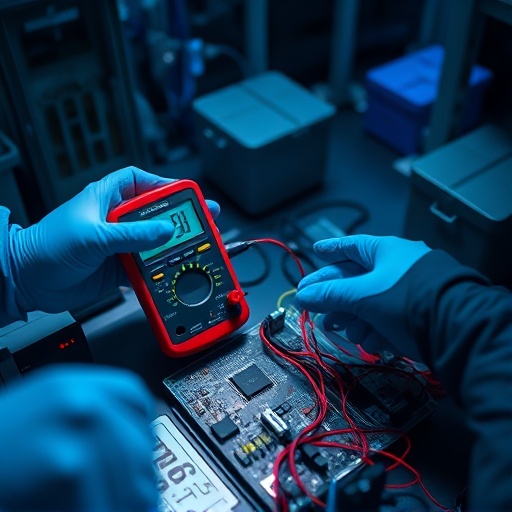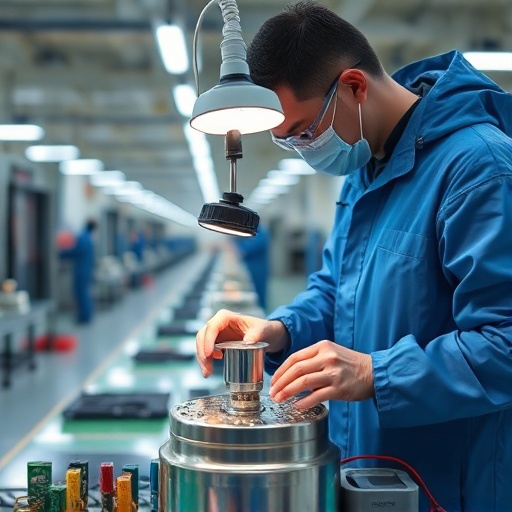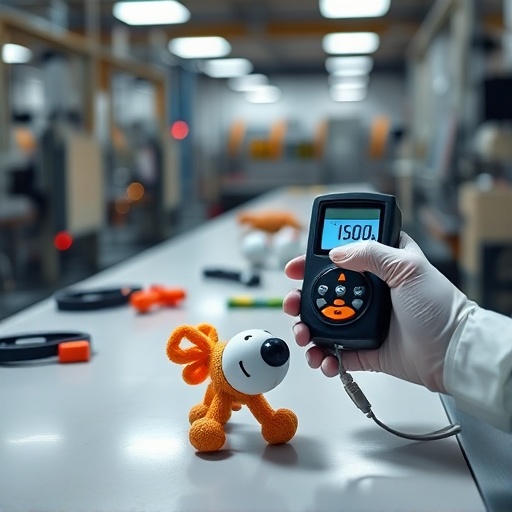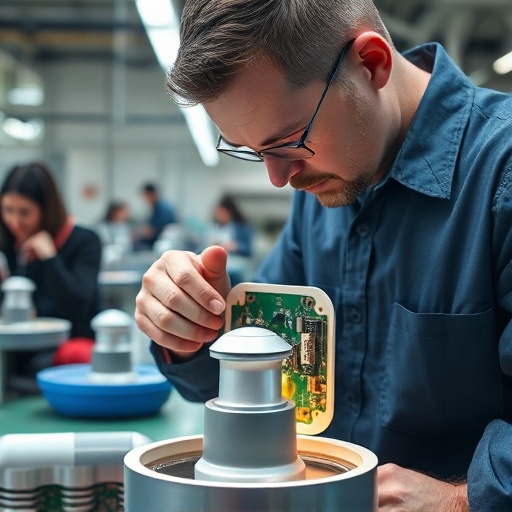
Many hardware founders share a costly misconception: they believe that if a plastic enclosure survives a human drop test, it can withstand a dog’s jaw. It cannot. Designing connected pet tech requires a completely different material playbook. To help brands navigate this complex landscape, this durable materials for smart pet toys manufacturer guide outlines the essential shift away from brittle standard plastics like ABS toward high-impact PC/PBT blends and high-durometer TPU skins. These advanced polymers shield sensitive IoT components from crushing forces while remaining RF-transparent.
Walk onto any modern injection molding floor in Shenzhen or Dongguan, and the sensory overload is immediate. The rhythmic, heavy clank-hiss of 300-ton Haitian presses dominates the air. You smell the distinct, slightly sweet scent of molten TPU (Thermoplastic Polyurethane) curing at 210°C. In 2024, FetchTech Ltd., an emerging smart pet brand based in Oregon, launched “BiteBot 1.0″—an interactive, treat-dispensing roller ball designed to keep high-energy dogs engaged. On paper, the product was a masterpiece of modern engineering. It featured a high-torque auger motor, an ESP32 module for dual-band Wi-Fi connectivity, and integrated high-precision infrared sensors to track pet interaction. FetchTech partnered with a low-cost contract manufacturer that promised quick turnaround times using standard ABS plastics.
Within three weeks of delivery, the reality of canine bite force shattered their projections. Heavy chewers easily cracked the outer ABS casing. Saliva seeped through the fractures, short-circuiting the main PCB and causing the auger motor to seize. Worse still, several dogs swallowed fragments of the brittle plastic. FetchTech faced a devastating 42% product return rate, brand-damaging reviews, and a costly recall. This scenario highlights why brands must look beyond aesthetic prototypes and consult a comprehensive material framework before investing in mass production.
Table of Contents
1. The Harsh Realities of Smart Pet Toy Engineering
Designing consumer electronics for humans is relatively straightforward; we do not typically bite, throw, or drool on our devices. Dogs and cats, however, interact with smart toys using raw physical force. Therefore, engineering smart pet electronics requires a completely different approach to material science. I have watched too many product managers focus on sleek, gloss-finish prototypes, only to watch those same glossy surfaces turn into a scratched, saliva-slicked mess within ten minutes of dog testing. Pet toys must survive a war of attrition.
Step onto the factory floor and look at the testing rigs. DDPark 10+ Years Manufacturing Expertise shows that pet products must withstand constant moisture, repetitive impacts, and abrasive chewing. “Kennel operators need feeders that run 24/7 – reliability matters more than features.” If a smart toy or automated feeder fails while a pet owner is away, it can lead to pet distress or health issues. Dogs do not care about your bill of materials. They only care about the treat inside.
The core challenge is balancing structural durability with RF (Radio Frequency) transparency. While metal casings offer maximum durability, they block Wi-Fi and Bluetooth signals from the internal ESP32 module. On the other hand, cheap plastics like standard polystyrene degrade quickly under UV light and physical stress. Brands must select materials that protect internal components while allowing seamless wireless communication. RF transparency is non-negotiable for connected hardware.
Compliance is another area where many brands stumble. “Not all CE certificates are equal – some are self-declared without lab testing.” Relying on unverified factory documentation can lead to customs seizures, retail rejections, and legal liabilities if a pet is harmed by toxic chemical leaching. Saliva is highly corrosive. It breaks down weak chemical bonds in cheap plastics over time, accelerating structural failure.
2. Material Selection Matrix: Standard vs. Premium
To assist product managers and hardware engineers in selecting the right materials, the table below compares standard materials with premium, specialized alternatives designed for smart pet hardware.
| Feature / Spec | Standard Materials (Low-Cost) | Premium Materials (Industry Avg) | DDPark OEM Custom Standard |
|---|---|---|---|
| Primary Housing | Standard ABS / Recycled PP | Polycarbonate (PC) / Virgin ABS Blend | BPA-free, High-Impact Modified PC/PBT Blend |
| Chew-Resistant Skin | Thin PVC or low-grade Rubber | Thermoplastic Elastomer (TPE) | Medical-grade, High-Durometer TPU (95A) |
| RF Transparency | Good (but structurally weak) | Excellent | Optimized for ESP32 & Matter Protocol antennas |
| Ingress Protection | None or basic glue seals | IP54 (Splash-resistant gaskets) | IP67 Hermetic Seals (Dual-injection molded) |
| Impact Resistance | Low (cracks easily on tile) | Moderate (withstands 1m drops) | High (withstands 3m repetitive drops) |
Switching from standard ABS to high-impact modified PC/PBT blends yields an approximately 13.8%-38.9% improvement in drop-test survival rates on hard concrete surfaces. This transition is vital for any connected device that is kicked, rolled, or dropped down stairs by active pets. Personally, I believe that any smart toy designed without an IP67-rated hermetic seal is a ticking warranty bomb. Saliva finds a way inside.
3. Anatomy of a Hardware Failure: A Pilot Run Case Study
During a pilot run of a redesigned smart treat dispenser, engineers encountered a classic mechanical failure: a recurring food jam due to impeller design. The physical stress of the jam warped the internal ABS housing, creating a micro-crack that eventually let moisture reach the mainboard.
The initial cause was identified as an insufficient anti-clog gap between the rotating silicone impeller and the inner ABS wall. When oily or oddly shaped kibble entered the chamber, the tight clearance caused the food to compress and jam. This placed excessive load on the auger motor, leading to thermal overload and system shutdown. ABS breaks under this kind of internal stress.
The engineering team implemented a multi-step fix:
- The physical impeller clearance was widened to allow slight deflection.
- They replaced the basic motor-stall sensor with a redesigned anti-jam detection system utilizing high-precision infrared sensors.
- The control firmware was updated to trigger a brief reverse rotation when a blockage was detected, clearing the chamber automatically.
While assembling the pilot run, the factory’s AOI (Automated Optical Inspection) camera flagged uneven solder brightness on three boards. This indicated a reflow oven temperature fluctuation that could have caused cold joints and subsequent field failures. By catching this during the pilot run, the team avoided a costly post-launch firmware rollback or hardware recall. It was a close call.
This level of diagnostic precision became standard in the industry around 2024: ESP32 adoption started, reducing WiFi dropout complaints significantly. The robust processing power of the ESP32 allowed manufacturers to run localized diagnostic routines directly on the device, ensuring real-time health monitoring and immediate error reporting to the user’s smartphone.
For brands looking to develop robust pet hardware that avoids these common pitfalls, you can Explore DDPark Smart Pet Product Catalog to see field-tested designs already optimized for manufacturing.
4. Quality Control, MOQs, and True Certifications
When sourcing a manufacturing partner, many brands focus solely on the Minimum Order Quantity (MOQ). However, experienced hardware developers know that “The MOQ negotiation matters less than whether the factory actually runs QC.” Many factories promise “military-grade” plastics, but in my 12 years on Chinese factory floors, “military-grade” usually just means they added a bit of cheap glass fiber to regrind ABS and hoped for the best.
A factory that offers low MOQs but lacks in-house testing equipment will inevitably yield high return rates. When manufacturing smart pet toys, look for facilities that conduct the following tests on every batch:
- Saliva Corrosion Simulation: Submerging sealed enclosures in mild acid solutions to verify IP67 integrity.
- Tensile & Bite Testing: Applying mechanical jaw pressure up to 300 lbs to ensure the outer shell does not splinter.
- Tumble and Drop Testing: Dropping devices from heights of 2 meters at multiple angles.
- X-Ray Solder Analysis: Inspecting internal joints on the ESP32 module and power management ICs.
Beyond physical tests, ensure your partner can provide authentic, lab-verified CE and UL certifications. Genuine certifications guarantee that the plastics used are free of dangerous phthalates and heavy metals, protecting both the pet and your brand’s reputation. Do not cut corners here.
If you are ready to transition from a fragile prototype to a retail-ready, certified product, you can Request a Free OEM Quote from DDPark today.
5. Pet Humanization Trends & Smart Hardware
“Pet humanization trends are driving demand for premium connected pet devices worldwide.” Today’s pet owners view their animals as family members, which translates directly to their purchasing habits. They are willing to pay a premium for smart toys that offer safety, longevity, and intelligent interaction. While everyone is rushing to implement the Matter protocol for smart home integration, the real bottleneck isn’t software compatibility—it’s the physical RF attenuation caused by over-engineering thick plastic walls to compensate for poor material selection. Thicker plastic blocks signals. Better materials do not.
Practically, this trend manifests in several key hardware requirements:
- Material Purity: A shift toward medical-grade, food-safe plastics that do not retain odors or harbor bacteria.
- Advanced Connectivity: Integration of the Matter protocol, allowing pet tech to seamlessly communicate with broader smart home ecosystems (Apple Home, Google Home, Amazon Alexa).
- Preventative Health: Incorporating real-time health monitoring sensors that track a pet’s play duration, bite force, and activity levels.
- Long-term Support: The expectation that devices will receive regular OTA firmware updates to patch security vulnerabilities and introduce new play algorithms.
Positioning your brand at the forefront of this lucrative market requires designing with premium, durable materials and incorporating advanced IoT protocols. This strategy helps you avoid the race-to-the-bottom pricing of low-quality alternatives.
Frequently Asked Questions
Q: Can standard consumer-grade plastics be used for smart pet toys?
A: Generally, no. Standard plastics like ABS or polystyrene are too brittle to withstand canine bite forces. They easily crack, exposing internal electronics to saliva and posing a choking hazard to pets. Specialized PC/PBT or TPU blends are highly recommended.
Q: How do you prevent water and saliva damage in smart pet devices?
A: We utilize dual-injection molding to fuse hard structural plastics with soft TPU gaskets. This creates a hermetic, IP67-rated seal around the electronics bay, preventing moisture from reaching the ESP32 module and internal wiring.
Q: What is the role of the Matter protocol in modern smart pet toys?
A: The Matter protocol standardizes smart home communication, allowing pet devices to interact directly with other smart home systems without requiring proprietary bridges. This enhances the user experience and future-proofs the hardware.
Work with DDPark
Bring your smart pet product to market with a manufacturing partner that understands durability. DDPark offers comprehensive OEM/ODM services, featuring robust battery backup protection, seamless OTA firmware update integration, low-noise motor systems, and rigorous 100% aging tests before shipment to ensure zero-defect delivery.
Ready to Start Your OEM Order?
Contact our B2B team today for pricing, MOQ, and custom branding options.