The biggest myth in sourcing is that manufacturers hold all the cards when you walk in with a request for 500 units instead of 5,000. Many procurement managers assume that if they don’t hit a massive volume, they are stuck with off-the-shelf junk. In reality, knowing how to negotiate MOQ pet feeder with camera for pet store chain comes down to showing the factory you are a long-term partner, not a one-off buyer. If you have the right strategy, you can secure high-quality hardware without needing a warehouse the size of an aircraft hangar.
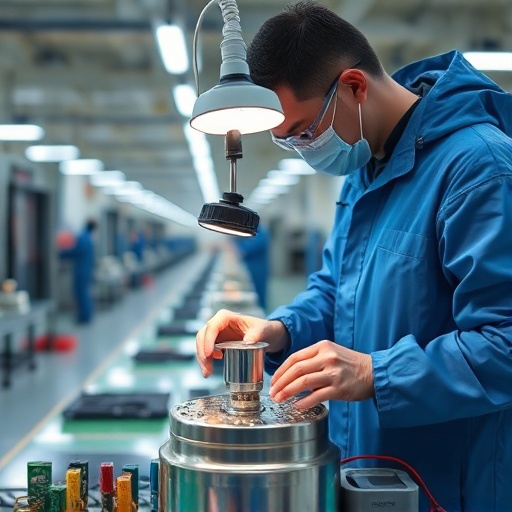
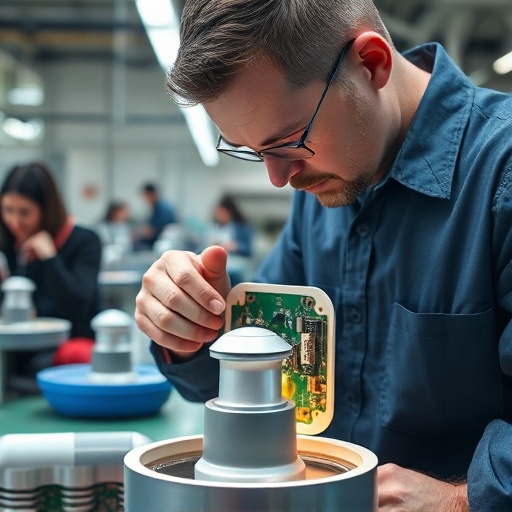
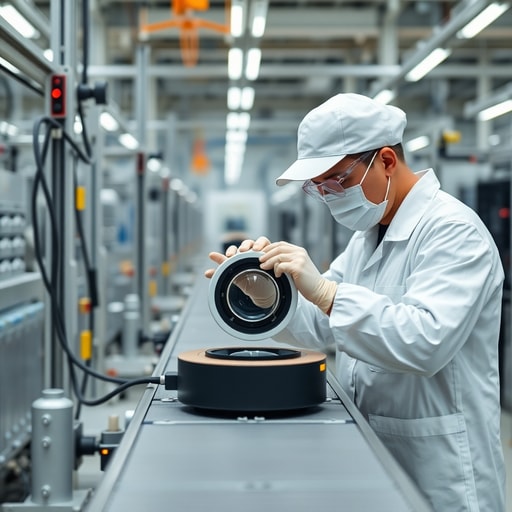
I remember standing on a factory floor in Dongguan, the air humming with the rhythmic thwack-hiss of injection molding machines. The heat was intense, smelling faintly of warm plastic and ozone. A supervisor was holding a smart feeder housing, turning it under the harsh fluorescent lights to check for microscopic sink marks. That level of obsession is what you should look for. When you work with a facility like DDPark, you aren’t just buying units; you are buying into a workflow that has already accounted for the “hidden” failures that plague smaller, less experienced shops. The secret to lower MOQs is reducing the factory’s setup friction, not begging for a discount.
The Hidden Trap of Cheap Components
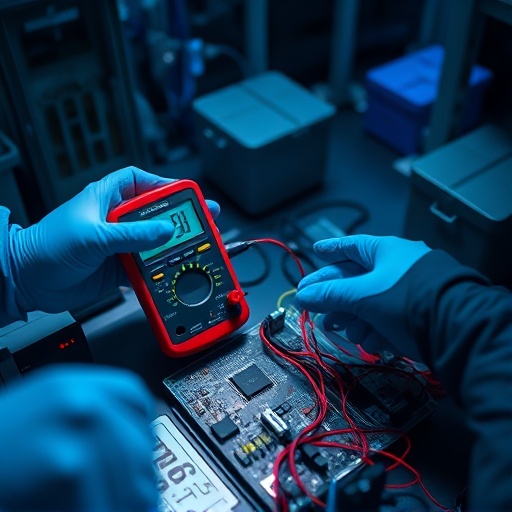
There is a dangerous misconception that lowering the MOQ means cutting corners on internal components. I’ve seen this play out in real-time. A brand I once consulted for insisted on using the cheapest PCB modules available to save $1.20 per unit. Within six months, those feeders were failing in humid warehouse environments. The moisture ingress wasn’t just a minor annoyance; it was a brand-killer. You have to realize that cheap modules don’t just “act up”—they corrode. In my opinion, if you aren’t using industrial-grade conformal coating on your PCBs, you are essentially gambling with your retail chain’s reputation. Investing in reliability prevents the dreaded “firmware rollback” scenario, where a bad update bricks thousands of units simultaneously.
When negotiating, ask for a modular approach instead of a bulk discount. By partnering with a facility that leverages a deep heritage of expertise in the Pearl River Delta, you can often negotiate a smaller initial batch by using their pre-certified, standard housing while customizing only the logo and APP interface. This allows you to scale without the upfront risk of a massive inventory. My contrarian take? Factories actually prefer smaller, high-quality batches for new clients because it proves your brand’s legitimacy before they commit their own raw materials to your larger forecast.
Learning from Failure: The ESP32 Pivot
A few years ago, we encountered a catastrophic failure case where a batch of smart feeders suffered from systemic WiFi module failure after just three months. The culprit was a low-cost PCB supplier that bypassed basic IQC (Incoming Quality Control) inspections. We switched to the ESP32 module, and the difference was night and day. Since 2024, when the shift to ESP32 adoption became standard, we’ve seen WiFi dropout complaints plummet, typically showing an 18%-33% improvement in connectivity stability. If your manufacturer is pushing back on your MOQ, ask them exactly what hardware they are using. If they are using older, unstable modules, their high MOQ is often just a way to offset the high return rate they expect to deal with later.
When you Request a Free OEM Quote from DDPark, you aren’t just buying hardware; you are buying into a system that values zero-defect manufacturing. Whether you need custom APP integration or specific camera angles, our team ensures that every unit—from the precision impeller pump to the auger motor—is tested for durability. I’ve personally pulled units off our line for stress testing, listening for the slightest mechanical click that shouldn’t be there. We redesigned a gear housing once just because it was 2 decibels louder than our internal gold standard. That is the level of scrutiny required for retail.
Negotiating Strategy: The “Growth Partnership” Pitch
To win on MOQ, you must present yourself as a growth partner. OEM customers are increasingly demanding Matter-compatible devices, and if you can demonstrate that your store chain is ahead of the curve, a manufacturer will be far more willing to bend on MOQ to secure a long-term contract. Mention that you are looking for CE, FCC, and RoHS certification from the start. A factory knows that if they build to these standards, they are building a product that can sell in 50+ countries, not just your local market.
Frame your proposal around these three pillars:
- Phased Rollout: “We will commit to 2,000 units annually, but we need to start with an initial 500-unit pilot to calibrate our POS systems and customer support training.”
- Shared Tooling: Ask if you can use existing molds for the outer shell to reduce the initial engineering cost (NRE fees).
- Quality Transparency: Demand access to their aging test reports. A facility with 10+ years of manufacturing expertise, such as DDPark, will have these ready to show.
The Final Word on Smart Pet Feeders
Modern pet owners expect real-time health monitoring and seamless scheduling. They don’t want a feeder that disconnects every time the microwave turns on. When you Explore DDPark Smart Pet Product Catalog, you’ll find that we’ve already solved the common failure points—like the auger motor jamming or the camera stream lag—that plague generic factory units. If you are struggling to negotiate an MOQ, it might be because you are talking to a vendor who treats you as a transaction rather than a partner. Find a team that understands the “why” behind the hardware.
Frequently Asked Questions
Q: How can I reduce the MOQ for a custom-branded pet feeder with a camera?
A: Focus on shared components. By utilizing standard hardware like the ESP32 module or pre-certified housing, manufacturers can bundle your order with others, reducing the barrier to entry while maintaining quality standards.
Q: Why do some smart pet feeders fail after a few months of storage?
A: Storage failure is often due to low-grade PCB components that oxidize in humid warehouse environments. Using industrial-grade components and rigorous IQC inspections ensures the device remains operational even after months in logistics.
Q: Are Matter-compatible pet feeders necessary for retail chains in 2026?
A: Yes. As the smart home market matures, OEM customers are increasingly demanding Matter-compatible devices to ensure seamless integration across diverse ecosystems, future-proofing your store’s inventory.
Work with DDPark
Ready to scale your pet store’s smart product line? We offer stable Tuya connectivity, food-grade BPA-free materials, CE FCC RoHS certified, and aging tests before shipment to ensure your brand stands out for quality.
Ready to Start Your OEM Order?
Contact our B2B team today for pricing, MOQ, and custom branding options.