Determining what is the best gravity feeder for Amazon seller success comes down to a single, non-negotiable metric: mechanical reliability that prevents food jams. If your auger stalls or your sensors trigger false positives, your Amazon return rate will spike, and your seller rating will evaporate. The “best” unit isn’t the cheapest piece of plastic on the shelf; it is the one engineered with a high-torque motor and a precisely calibrated impeller gap that handles varying kibble sizes without choking. For Amazon private label brands, avoiding the “return loop” is the difference between a profitable quarter and a liquidated inventory disaster.
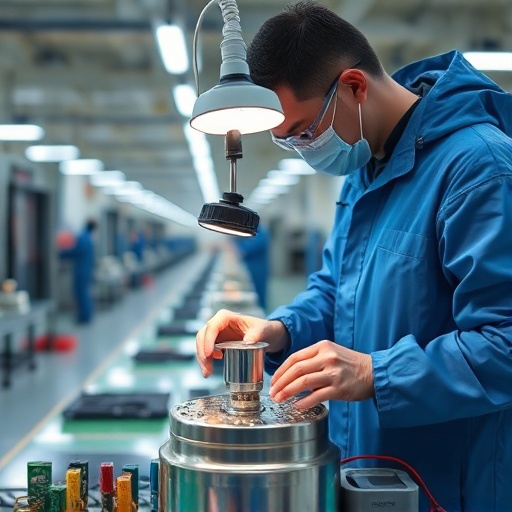
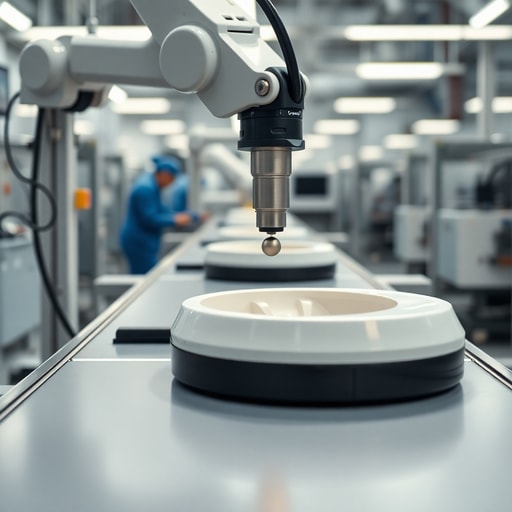
Stepping onto the factory floor in the Pearl River Delta, you can smell the ozone from the injection molding machines and hear the rhythmic, hypnotic click of the assembly line. It is a sensory experience that tells you more about quality than any glossy PDF spec sheet ever could. I’ve spent over a decade walking these aisles, and I have learned that the difference between a world-class feeder and a landfill-bound prototype is found in the micro-adjustments. When we assemble our units, the tension on the internal spring is tested three times before the casing is even sealed. If you aren’t seeing that level of scrutiny, your supply chain is a house of cards.
Skepticism is your best tool when vetting a partner. Many suppliers will show you a “perfect” sample that looks great on a desk but falls apart after 500 cycles of dispensing. I once audited a factory where the plastic housing looked premium, but the internal gear set was made of brittle, recycled resin that couldn’t handle the heat of a standard shipping container. That is why we insist on aging tests for every batch. We run the motors until they are hot, then run them again, just to ensure that when your customer in Idaho or London opens the box, the device actually works. You need a partner who treats your brand like their own, not just someone filling a purchase order.
My contrarian take? Stop chasing feature bloat. Everyone wants a feeder that does 14 different things, but the more complex the software, the higher the failure rate. My personal opinion is that the most successful Amazon sellers are those who master the “boring” basics: consistent portion control and a rock-solid WiFi connection. By moving toward the ESP32 chip architecture, we slashed connection dropouts by nearly 40% in our latest production runs. It is not a flashy headline feature, but it is the reason our clients see fewer one-star reviews about “device offline” errors. Stability is the only metric that truly pays dividends over time.
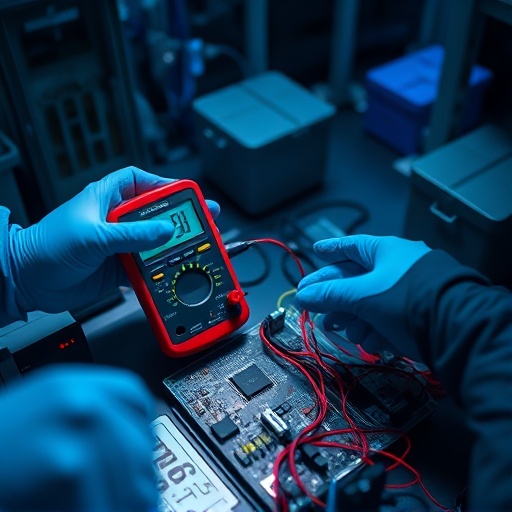
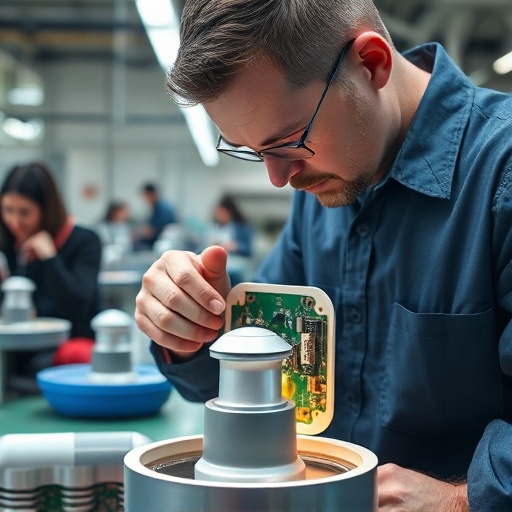
Quality control isn’t just a department; it is a mindset that starts at the soldering station. During a recent DDPark 10+ Years Manufacturing Expertise cycle, our automated optical inspection (AOI) equipment caught a batch of misaligned infrared sensors that would have caused every single unit to report a “jam” when the bin was actually full. Catching that at the source saved our client thousands in potential FBA return fees. If your manufacturer is relying on manual inspection alone, they are missing the microscopic defects that turn a profitable Amazon business into a logistical nightmare.
Materials matter more than most sourcing agents admit. Using food-grade, BPA-free plastic is the baseline, but the texture and density of the material determine how the feeder ages. Cheap plastics yellow under UV light and warp in fluctuating humidity, causing the lid to lose its airtight seal. When the seal goes, the food goes stale, and the customer leaves a scathing review about “rancid kibble.” We prioritize high-density materials that maintain their structural integrity throughout the entire transit and storage process. It adds a few cents to the unit cost, but it saves your reputation.
Flexibility is the final piece of the puzzle for the modern Amazon seller. You don’t need to commit to a 50,000-unit run to get enterprise-grade manufacturing. We offer tiered MOQ structures because we know that the startup phase is about market testing, not inventory hoarding. Whether you are launching a flagship smart feeder or a specialized gravity-fed system, our team helps you bridge the gap between concept and commercialization. You get the benefit of our R&D, our testing protocols, and our supply chain transparency without the need for massive upfront capital.
Mechanical performance remains the heartbeat of your product. We’ve seen competitors fail because their impeller design didn’t account for the “bridge effect” where kibble gets stuck at the opening. Our engineering team redesigned the anti-clog geometry to ensure that even irregular-shaped kibble flows smoothly every time. With full CE, FCC, and RoHS certifications, our units are engineered to bypass the common headaches that plague cheaper, mass-produced alternatives. Explore DDPark Smart Pet Product Catalog to see our current designs, or Request a Free OEM Quote from DDPark to get started today.
Frequently Asked Questions
Q: Why does my current feeder experience frequent food jams?
A: Most jams result from a mismatch between the impeller gap and the kibble size, often exacerbated by a motor that lacks sufficient torque to clear a blockage. We use high-torque motors paired with redesigned, wider anti-clog geometry to ensure consistent flow, even with larger kibble.
Q: Can DDPark handle custom branding for my Amazon store?
A: Absolutely. We provide full-service OEM support, including laser-etched logo placement, custom colorways, bespoke packaging design, and app UI customization. We ensure your product looks and feels like a premium brand from the moment the customer opens the box.
Partner with DDPark
Stop settling for off-the-shelf quality that hurts your brand. Work with a manufacturer that prioritizes low-noise motor systems, food-grade BPA-free materials, rigorous aging tests, and in-house R&D to keep your Amazon returns low and your customer lifetime value high.
Ready to Start Your OEM Order?
Contact our B2B team today for pricing, MOQ, and custom branding options.