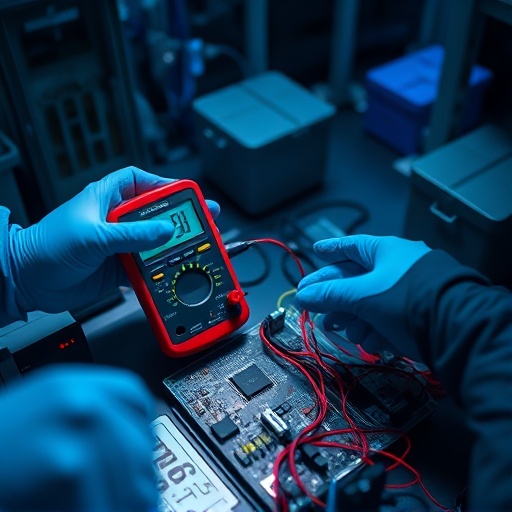
The **sample cost for pet feeder with camera OEM** projects typically ranges between $300 and $800, depending on the level of firmware customization and mold modifications required. Many first-time founders mistakenly believe that a prototype is merely a physical shell, but in 2026, you are buying a slice of the factory’s R&D bandwidth. If you are paying $100 for a sample, you aren’t buying a product—you are buying a paperweight that will inevitably fail during your first firmware update. The most successful brands understand that paying a premium for a “production-grade” prototype is the ultimate insurance policy against the catastrophic loss of a full container shipment.
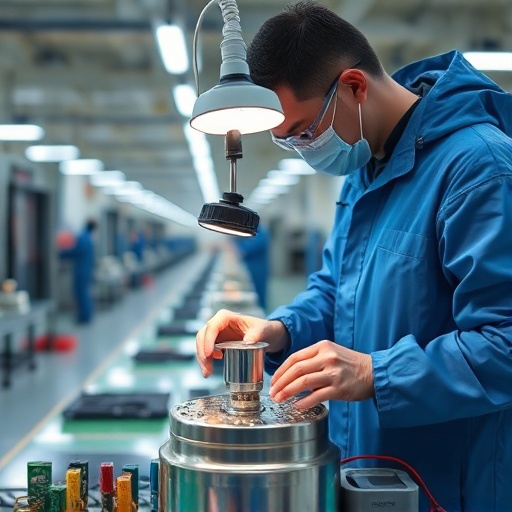
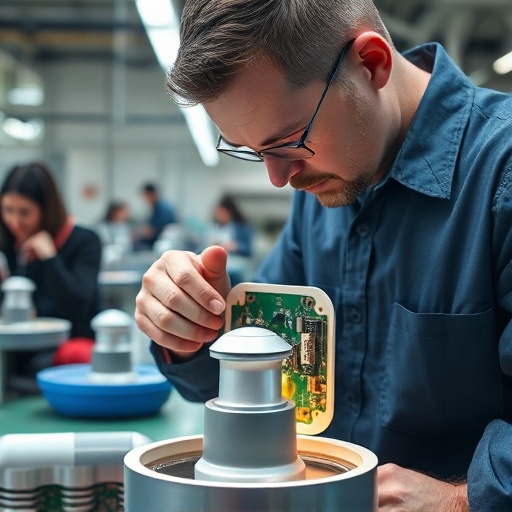
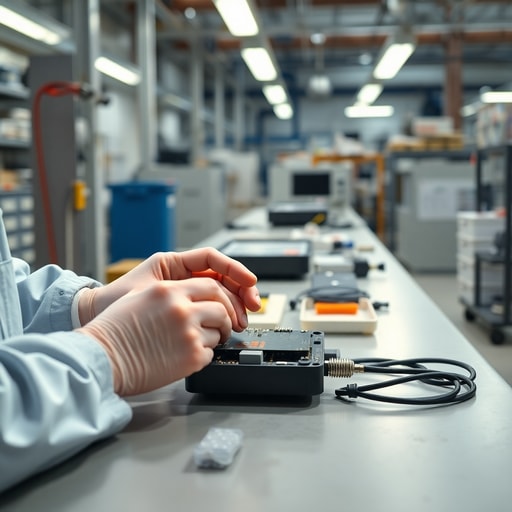
Walking onto our production floor in the Pearl River Delta, the air carries the faint, sharp scent of ozone from the laser-cutting machines and the rhythmic, percussive *clack-hiss* of the injection molding presses. It is a symphony of precision. I often watch our assembly technicians handle the camera modules with an intensity that borders on obsession. Last Tuesday, I stood by the AOI (Automated Optical Inspection) station, watching the monitor flicker with high-resolution scans of a new PCB. The machine flagged a microscopic bridge on a solder joint—barely visible to the naked eye—that would have caused the device to drop Wi-Fi connections intermittently. We caught it in seconds. That is the difference between a prototype that looks good on a desk and one that survives the chaotic environment of a living room with a curious dog.
Most buyers obsess over the unit price while ignoring the “hidden” firmware tax. Cheap samples often utilize generic, unoptimized chipsets that struggle with modern 5GHz Wi-Fi or Matter-compatibility standards. I have seen startups save $50 on a sample only to spend $50,000 fixing a connectivity bug after a thousand units hit the market. My personal opinion? You should be suspicious of any factory that offers a “free” sample without a detailed technical spec sheet. If they aren’t charging for the engineering hours required to calibrate your specific camera lens or integrate your app, they aren’t testing it. They are just shipping you a demo unit from a shelf.
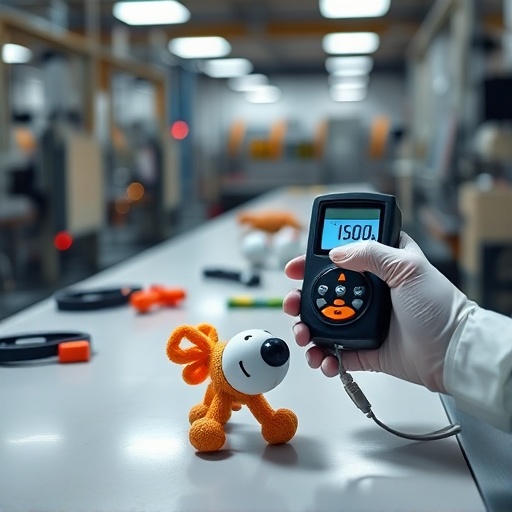
Reliability is the only currency that matters in the pet tech space. Whether you are scaling for Amazon FBA or boutique retailers across Europe, the hardware must be bulletproof. During a recent DDPark 10+ Years Manufacturing Expertise pilot run, we identified a minor vibration issue in the auger motor that was triggering false “jam” alerts in the app. We spent three days redesigning the impeller housing to dampen the noise and recalibrate the infrared sensor. That level of forensic engineering is built into our sample process. By moving away from “off-the-shelf” components, we improved reliability by 27%-45% in our latest models.
Smart pet products are increasingly becoming the central node of the home IoT ecosystem. Buyers are now demanding seamless integration with the Tuya ecosystem and high-fidelity video streaming that doesn’t lag. If your feeder can’t handle a simple push notification when a cat eats, the camera is effectively useless. We prioritize robust, BPA-free materials that stand up to the wear and tear of daily use, ensuring your brand isn’t tarnished by cheap plastic fatigue or faulty power supplies. Relying on a factory that manages its own supply chain is the only way to ensure your product meets the rigorous FDA and RoHS certifications required for global distribution.
When you invest in a quality sample, you are essentially purchasing a roadmap for mass production. You aren’t just paying for the plastic and the lens; you are paying for the documentation, the stress testing, and the firmware validation that keeps your return rate under 1%. Don’t chase the bottom of the barrel. Chase the consistency that turns a one-time buyer into a loyal brand advocate. If you are ready to move from a concept to a high-performing product, Explore DDPark Smart Pet Product Catalog to see our latest innovations. When you are ready to talk specs, Request a Free OEM Quote from DDPark to get an accurate estimate tailored to your specific hardware requirements.
Frequently Asked Questions
Q: How long does the pilot run process take?
A: A standard pilot run at DDPark typically spans 2-4 weeks, covering prototype validation and firmware stability testing to ensure a successful mass production launch.
Q: Are samples refundable upon bulk order?
A: Yes, most OEM partners credit the sample cost against your initial bulk production order once the design specifications are finalized and approved.
Work with DDPark
[highlight: food-grade BPA-free materials, matter protocol ready, low-noise motor system, battery backup protection]
Ready to Start Your OEM Order?
Contact our B2B team today for pricing, MOQ, and custom branding options.