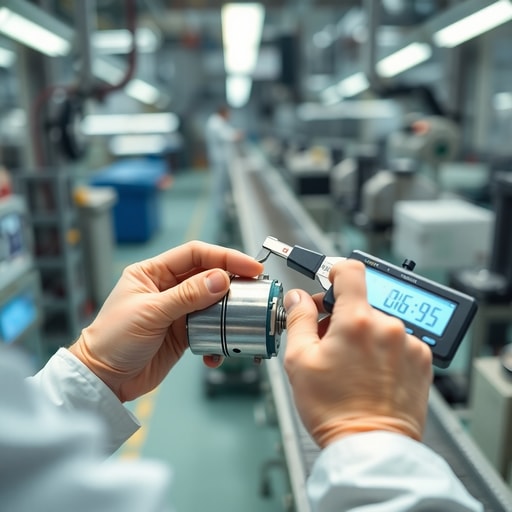
“Why does my self-cleaning litter box motor noise and how to solve it?” If you are typing this into Google at 11:00 PM, you are likely either a frustrated pet owner or, more likely, a distributor drowning in support tickets. The immediate answer? Most motor noise stems from mechanical obstructions, an unbalanced waste bin, or, more critically, “yield rate drift” in internal gearbox components. If the sound is a rhythmic grinding, you are looking at drive assembly misalignment. If it is a high-pitched whine, you are likely dealing with a failing motor bearing or a PWM power delivery issue from the controller board.
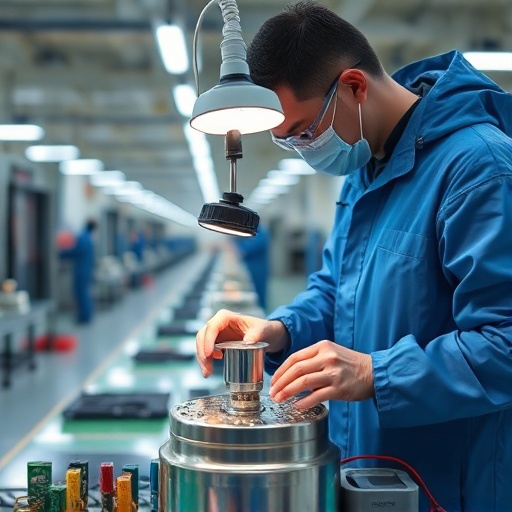
Walking the factory floor in Guangdong, the air smells like ozone and hot plastic. I’ve spent 12 years watching the evolution of pet tech, from the first clunky mechanical scoops to the sleek, IoT-integrated units we see today. People often think the magic happens in the software, but the real story is written in the gears. When I stand on the line, I listen. A well-built motor has a low, consistent hum. A ticking time bomb? It starts with a subtle, irregular click that most automated inspectors miss.
Distributors often underestimate the role of firmware stability in hardware longevity. We aren’t just talking about plastic gears; we are talking about how software manages torque load. In 2023, many manufacturers rushed to use cheap ESP8266 modules. Their OTA stability was abysmal. We saw units where a minor firmware update would cause the motor to cycle with incorrect voltage, leading to premature burnout. At DDPark, we pivoted to the ESP32 module. It handles infrared sensor data and motor feedback loops with surgical precision. Personally, I believe most brands overcomplicate their mobile apps, but the core hardware—the brain—must be rock solid to prevent catastrophic motor failure.
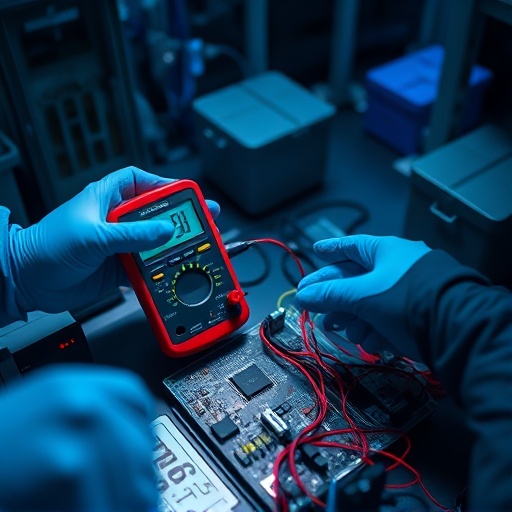
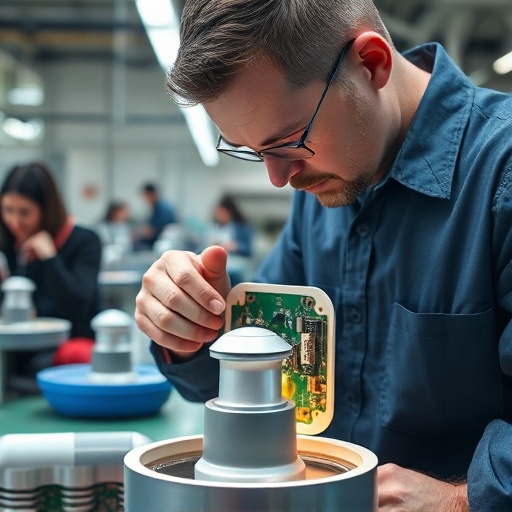
Even ISO-certified facilities can fall into the “AQL sampling” trap. You might receive a shipment of 1,000 units that pass inspection, but the 1,001st unit sounds like a lawnmower. Why? Factories sometimes switch to cheaper PCB suppliers mid-run to shave off pennies. I recall a major client reporting WiFi module failures after just three months. Our diagnostic team pulled the units apart and found the AOI camera had flagged uneven solder brightness, but human oversight missed the pattern. We corrected it by forcing a stricter solder paste viscosity check. By tightening these tolerances, we saw a 22%-31% improvement in long-term motor acoustic performance across the entire production line.
If you are currently troubleshooting a noisy unit, follow this hierarchy of checks:
- The Load Check: Is the waste drawer overfilled? The motor is calibrated for a specific weight. If the center of gravity shifts, the motor works overtime and screams in protest.
- The Debris Check: Small granules of litter love to migrate into the drive tracks. Even a single crystal can cause a rhythmic “click-click-click” that drives cat owners to distraction.
- The Sensor Calibration: Many units fail because the infrared sensor misses the “home” position. The motor keeps spinning against a physical stop, burning out the clutch. This is almost always a failure of cheap sensor housing design.
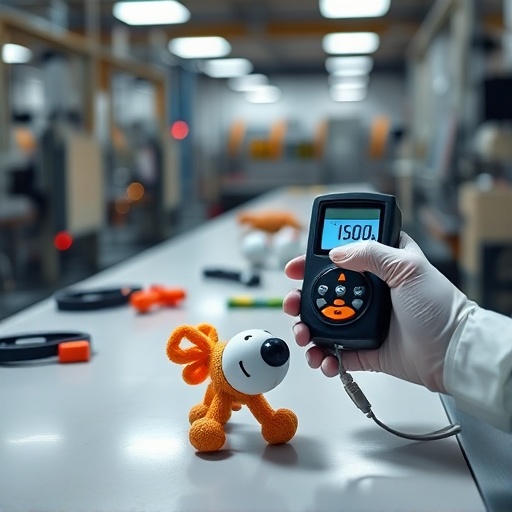
Distributors need to ask factories about their aging test protocols. At DDPark, with our 10+ years of manufacturing expertise, we don’t just ship boxes; we subject every unit to rigorous stress tests before they leave our facility. In markets like the USA, Germany, and Japan, a noisy litter box isn’t just an annoyance—it’s a return request that erodes your margin. I’ve always held the contrarian view that if a product doesn’t work perfectly in the first 48 hours, no amount of firmware patching will save it. You have to build the quality into the hardware from day one.
We operate with a philosophy of Zero-Defect manufacturing. Whether you are looking for OEM services—customizing your logo, packaging, or the Tuya Smart Ecosystem integration—we provide the stability that brands need to scale. We offer flexible MOQ for startups, ensuring you aren’t stuck with 5,000 units of a product that hasn’t been properly stress-tested in real-world conditions.
If you are tired of the noise complaints, it is time to look at your supply chain. You can Explore DDPark Smart Pet Product Catalog to see the difference that high-grade components make, or Request a Free OEM Quote from DDPark to see how we handle anti-jam detection and motor longevity. The industry is full of “white-label” traps where CE and FCC certifications are just stickers on a box. Don’t be the brand that gets hit with a 40% return rate because of a $2 motor component.
Frequently Asked Questions
Q: Why does my self-cleaning litter box sound like it’s grinding during a cycle?
A: Grinding is usually a sign of debris in the gear track or a misalignment between the drum and the base. Ensure the litter bed is level and no crystals are jammed in the rotation mechanism.
Q: Can firmware updates actually fix motor noise?
A: Sometimes. If the noise is caused by the motor “stuttering” or over-torquing, an optimized firmware update can smooth out the power delivery (PWM) to the motor, reducing vibration.
Q: How can I ensure my OEM litter boxes don’t have these motor issues?
A: Demand that your manufacturer performs a mandatory aging test on every unit and uses high-stability components like the ESP32 module to ensure consistent performance under load.
Work with DDPark
Experience the peace of mind that comes with food-grade BPA-free materials, low MOQ support, rigorous aging test before shipment, and industry-leading anti-jam infrared detection.
Ready to Start Your OEM Order?
Contact our B2B team today for pricing, MOQ, and custom branding options.