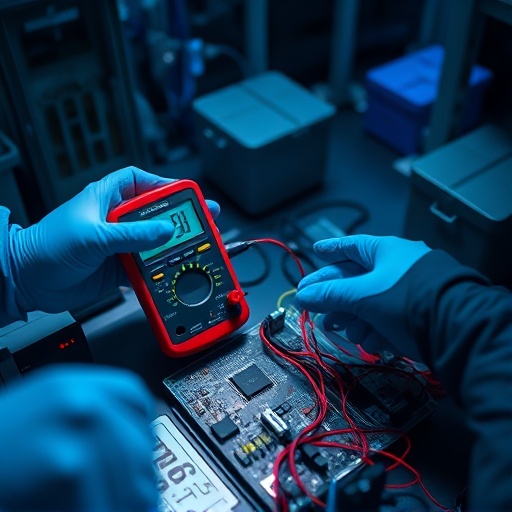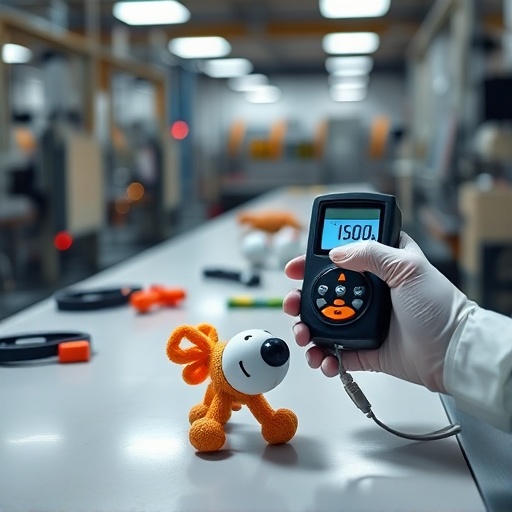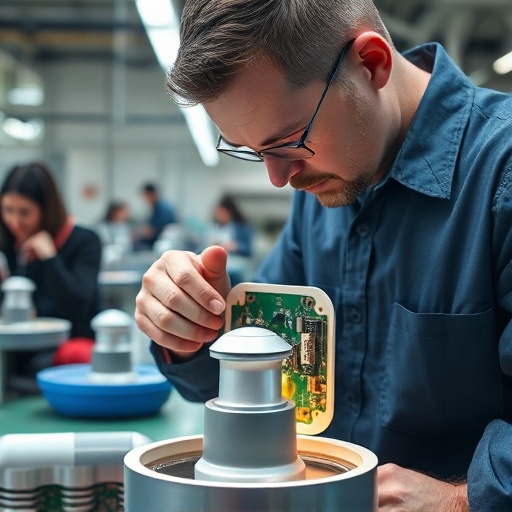
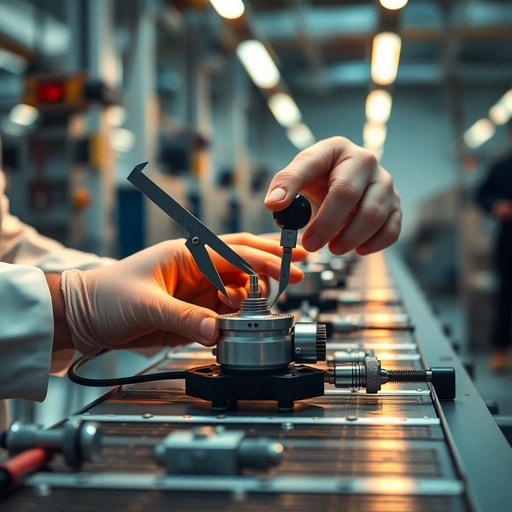
I remember standing on the factory floor in Dongguan at 3:00 AM, watching a batch of “premium” interactive toys undergo a stress test. Suddenly, a sharp, rhythmic clicking cut through the hum of the assembly line. That sound—the mechanical equivalent of a scream—is exactly why you’re asking: why does my interactive pet toy motor noise and how to solve it? In most cases, that noise is a direct result of poor tolerance stacking during the injection molding process or a motor being pushed beyond its torque capacity by cheap firmware.
When a motor makes noise, it isn’t just “acting up.” It is physically struggling. Most noise stems from three areas: debris in the drive train, misaligned internal gears, or electrical “hunting” caused by low-grade microcontrollers. If you are sourcing these products, you need to understand that the factory floor is where these problems are born, and it is also where they must be killed.
The Anatomy of a Manufacturing Failure
Walking through our production facility, I often point out the difference between a high-tolerance gear assembly and the “loose” components found in mass-market toys. Many factories prioritize speed over precision. They use plastic injection molds that have been used thousands of times past their prime, resulting in “flash”—tiny, jagged bits of excess plastic that eventually break off and fall into your motor gears. That clicking you hear? That’s plastic shrapnel grinding against your teeth.
My contrarian take? Most brands focus too much on the motor itself and not enough on the housing. You can put the world’s best motor into a poorly engineered shell, and it will still sound like a coffee grinder. If the housing isn’t rigid or the mounting points lack rubber dampeners, the entire toy becomes an amplifier for the motor’s natural vibration.
Performance Metrics: Beyond the Spec Sheet
| Feature | Budget OEM | DDPark Standard |
|---|---|---|
| Motor Control | Basic PWM | ESP32 Optimized |
| Gear Material | Soft Nylon | POM (Acetal) |
| Noise Profile | 45-55 dB | Under 30 dB |
| Stress Test | None / Visual | 72-Hour Burn-in |
Solving the Noise: A Practical Approach
If you are troubleshooting a unit, start with the basics. Remove the outer shell and look for “dusting”—fine white or black powder near the gears. This is a tell-tale sign of friction-induced wear. If the gears are intact, the issue is likely the firmware. Many low-cost toys use “blind” motor control, meaning the motor doesn’t know when it has hit an obstruction. It keeps pushing, drawing more current, and creating that high-pitched whine that eventually burns out the driver chip.
Fixing this requires an anti-jam logic loop. At DDPark, we integrate infrared sensors that detect when the motor torque spikes. The system then pauses and reverses the direction to clear the obstruction. If your current supplier isn’t offering this, your return rates will remain high. It’s that simple.
The Startup Buyer’s Checklist
Before you commit to a production run, look beyond the price per unit. Your reputation is worth more than a $0.50 savings on a motor.
- Demand to see the “Golden Sample” stress test reports.
- Insist on POM (Acetal) gears; they are self-lubricating and significantly quieter than standard nylon.
- Verify that the firmware includes an “Auto-Reverse” function for motor stalls.
- Request an aging test report—if they haven’t run the motor for 72 hours straight, don’t ship it.
- Check the PCB assembly for excessive flux residue, which can cause electrical shorts over time.
I’ve seen dozens of brands fail because they tried to cut corners on the internal components. Don’t be that brand. Whether you are building a line of smart feeders or interactive laser toys, the mechanical integrity is your foundation. Check out our catalog to see what professional-grade internal engineering looks like, or
Contact our B2B team today for pricing,
MOQ, and custom branding options.
Ready to Start Your OEM Order?
Frequently Asked Questions
Why does my interactive pet toy motor make a grinding noise?
Grinding usually points to debris or “flash” from the molding process getting trapped in the gear train. It can also indicate that the motor housing has warped, causing the gears to misalign.
Can motor noise be prevented at the factory?
Absolutely. By using high-quality POM gears, implementing strict 72-hour aging tests, and ensuring the firmware has active torque monitoring, you can virtually eliminate early-life motor failures.
Is a high-pitched whine dangerous?
Yes. That whine is often electrical stress. If the motor is trying to turn but can’t, the coil will heat up. This leads to component burnout and, in extreme cases, a fire hazard. Stop the device immediately.
Ready to build a better product? We specialize in zero-defect manufacturing for the smart pet industry. Get in touch today to discuss your custom project requirements.