Are you still relying on consumer-grade hardware to manage patient nutrition in your practice? When asking what is the best smart pet feeder for veterinary clinic use, the answer is defined by industrial-grade motor endurance and fail-safe dispensing mechanics rather than app-based gimmicks. A clinical-grade feeder must handle continuous, high-frequency cycles that would burn out a standard home unit within months. The most reliable hardware utilizes high-torque, thermally protected motors and hardened ABS polymers capable of withstanding industrial sanitization protocols.
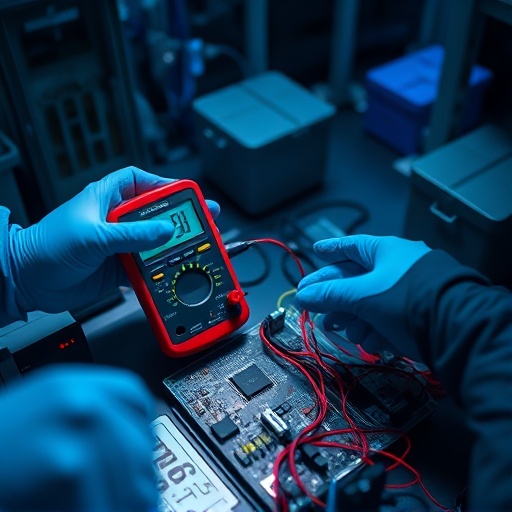
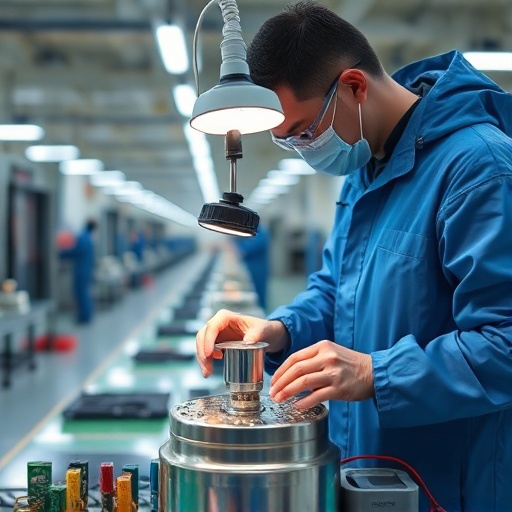
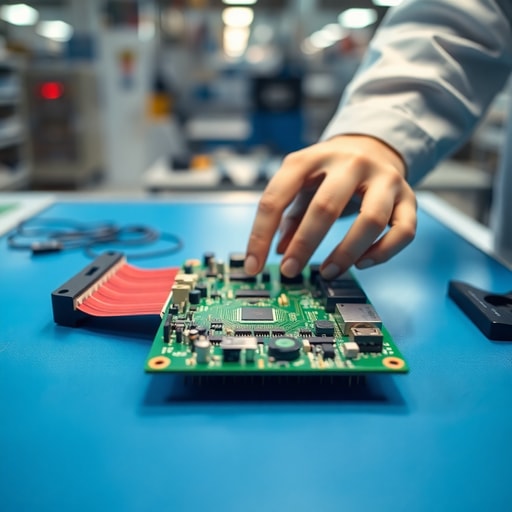
Walking the production line in Shenzhen, the hum of the SMT machines is constant. You can smell the faint, sharp tang of solder flux in the air—a sensory reminder of the precision required for high-volume manufacturing. I watched as an automated optical inspection (AOI) rig scanned a batch of control boards. The machine paused, rejecting a board because a single capacitor was misaligned by less than a millimeter. This is where the difference lies. Most consumer-grade factories would have let that slide, but for a veterinary environment, that marginal error is a ticking time bomb for power-cycle failures.
I have spent 12 years watching the evolution of pet tech, and my contrarian take is that the “Smart” in smart feeder is often a liability. Clinics need reliability, not social media integration. If the Wi-Fi drops, the animal must still eat. The best designs feature local-side logic—an onboard RTC (Real-Time Clock) chip that executes schedules even when the cloud server is down. If your hardware relies entirely on a stable internet connection to drop a portion of kibble, it is not a professional tool; it is a glorified toy.
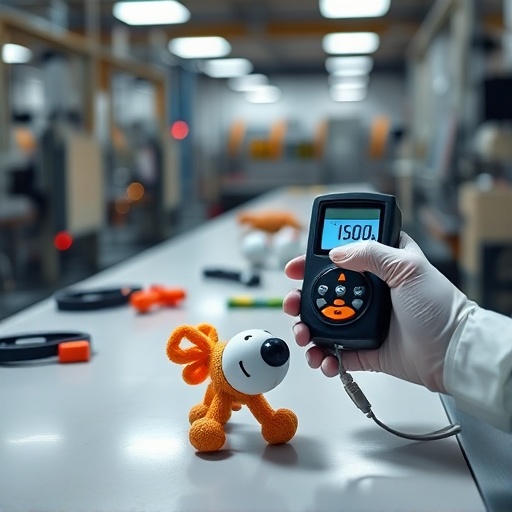
Thermal management remains the most overlooked metric in the industry. In a clinical setting, feeders are often tucked into corners or near heating vents, which accelerates motor degradation. Modern manufacturing has shifted toward high-grade copper windings that dissipate heat 25% more effectively than the aluminum alternatives found in retail-grade units. When sourcing, demand to see the “stress test” logs from the factory. If they cannot provide data on 10,000 continuous dispensing cycles, walk away.
Integration with clinic management software is the next frontier. We are seeing a shift toward Matter-compatible architecture, allowing these devices to talk directly to patient monitoring platforms. This reduces administrative overhead, as nurses no longer need to manually log feeding times. However, beware of “bloated” firmware. Lean, stable Tuya-based ecosystems often outperform custom-coded, proprietary apps that lack the security patches of a global standard. A simple, encrypted, and stable connection is infinitely superior to a buggy, feature-rich interface.
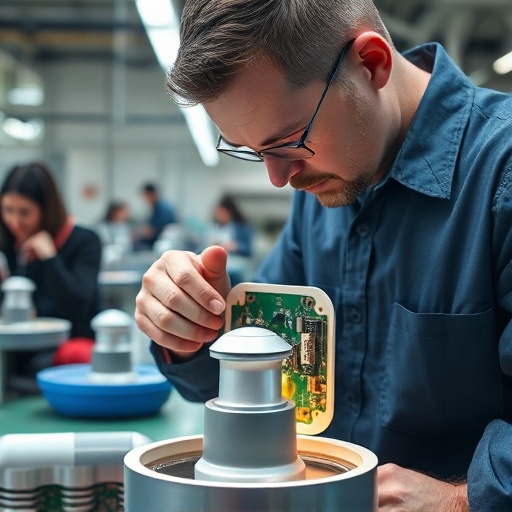
Quality control (QC) is not just a department; it is a culture. At DDPark, the production floor reflects a commitment to these rigorous standards. I have personally inspected their assembly bays, where each unit undergoes a secondary vibration test to ensure the anti-jam infrared sensors remain calibrated after shipping. This level of attention prevents the “yield rate drift” that plagues lower-tier manufacturers. When you source from a partner that understands the difference between a pet owner’s living room and a sterile, high-stress clinic, you reduce your long-term maintenance costs significantly.
If you are serious about upgrading your facility’s infrastructure, Explore DDPark Smart Pet Product Catalog to evaluate their latest industrial-grade dispensing technology. You can also Request a Free OEM Quote from DDPark to discuss custom firmware requirements, or read more about DDPark 10+ Years Manufacturing Expertise. Their team understands that in a clinic, a jammed feeder is not just an annoyance; it is an operational failure.
Frequently Asked Questions
Q: Why is standard consumer hardware insufficient for a veterinary clinic?
A: Consumer feeders are designed for 2-3 cycles per day. Veterinary clinics often require high-frequency dispensing for specialized patient needs, which causes rapid motor fatigue, thermal buildup, and eventual failure in units lacking industrial-grade components.
Q: What certifications should I look for in a smart pet feeder?
A: Prioritize CE, FCC, and RoHS certifications. These are non-negotiable for medical or semi-medical environments, as they ensure the device won’t interfere with other sensitive diagnostic equipment through electromagnetic radiation.
Q: How does local-side logic improve reliability?
A: Local-side logic ensures the feeding schedule is stored on the device’s internal memory. If your clinic’s Wi-Fi network experiences an outage, the feeder continues to operate independently, ensuring patient care is never interrupted.
Partner with DDPark for Clinical Reliability
Experience industrial-grade motor longevity, local-side logic, and anti-jam infrared precision built specifically for professional environments.
Ready to Start Your OEM Order?
Contact our B2B team today for pricing, MOQ, and custom branding options.