
MOQ Negotiation: A Practical Handbook for Pet Tech Importers
Most pet tech importers are being played. If you think the “Minimum Order Quantity” listed on a supplier’s website is a fixed law of physics, you are already losing money. I have spent twelve years walking the floors of factories in the Pearl River Delta, and I can tell you that the best deals aren’t found in a catalog—they are forged in the tension between your growth strategy and the factory’s production capacity.
If you are a startup founder or an Amazon brand owner, 2,000 units is not just a number; it is a potential cash flow graveyard. This guide is for the importer who wants to move beyond the superficial “price-per-unit” conversation and build a supply chain that won’t collapse under the weight of a single bad production run.
### The Reality of the Production Floor
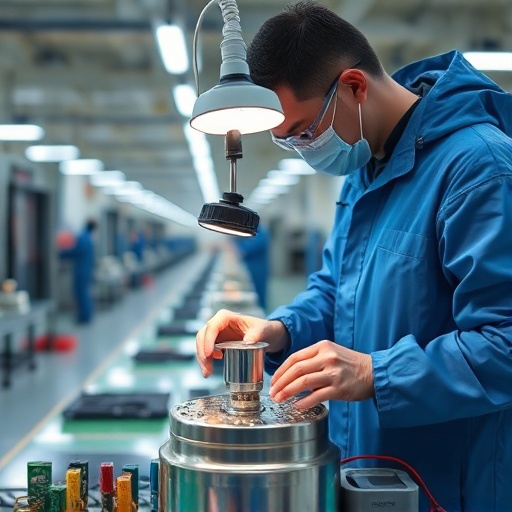
Step onto a factory floor with me. The air smells like hot solder and industrial-grade plastic resin. You hear the rhythmic *clack-clack-clack* of an injection molding machine punching out smart-feeder shells. It looks orderly, but the chaos is in the details. If you don’t see an AOI (Automated Optical Inspection) machine checking those circuit boards, you are gambling. I once watched a factory manager try to hide a batch of faulty sensors by manually “re-soldering” them with a handheld iron. That is exactly how you end up with a 15% return rate on Amazon.
Negotiation starts with understanding the factory’s pain points, not just your own. Factories hate small orders because they disrupt the flow of high-volume lines. To win, you must prove you are a partner, not a headache.
Table of Contents
Strategies for Flexible MOQs
Stop asking for a lower MOQ. Instead, start asking for a “staged ramp-up.” When you approach a manufacturer, present a 12-month forecast. Tell them, “I need 500 units for a pilot launch, but here is my marketing plan to hit 5,000 units by Q4.” This changes the dynamic from a one-off transaction to a long-term capital investment for them.
Most suppliers will compromise on initial quantities if you agree to pay a slight premium for the first batch or commit to using their existing housing molds. Customization is expensive; standardization is cheap. If you can use their existing Smart Pet Product Catalog designs, you can often slash your MOQ by 50% overnight.
Skepticism is your best tool here. If a factory agrees to a tiny MOQ without asking a single question about your distribution channel or quality standards, run. They likely don’t have an R&D team and are simply flipping units from a third-party warehouse.
The Hidden Costs of “Cheap”
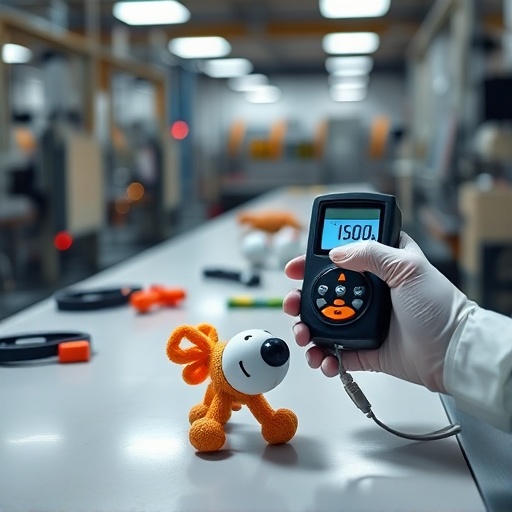
I have a contrarian take on sourcing: the cheapest unit price is the most expensive thing you can buy. Saving $0.40 on a motor gear or an infrared sensor is a recipe for a catastrophic product recall. I once tracked a batch of smart litter boxes that kept triggering “false-positives.” The engineers had used a low-grade sensor that couldn’t differentiate between a cat and a stray shadow.
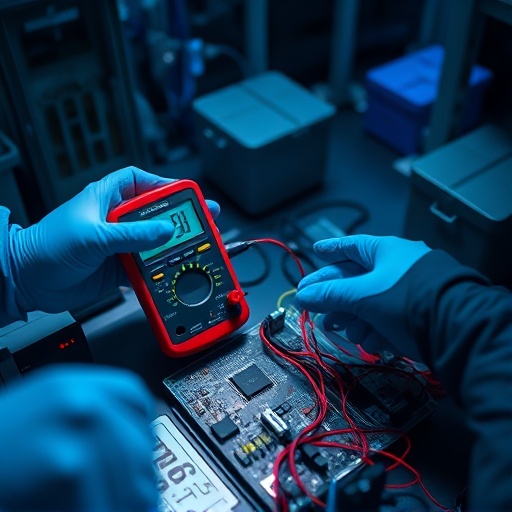
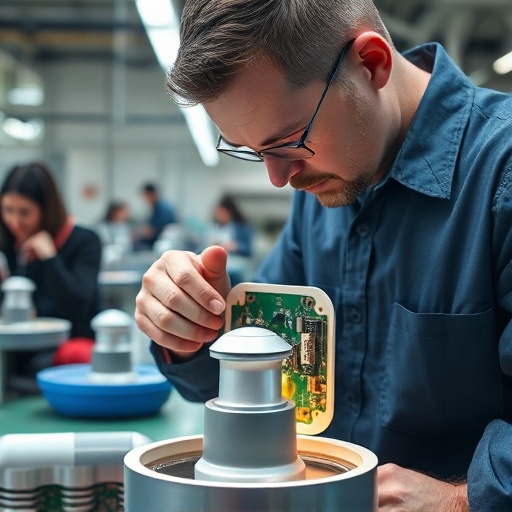
When you negotiate, demand to see the testing protocols. Ask them specifically about their “Stress Testing” for electronic components. A factory that takes pride in its work will show you the testing rigs where they cycle motors under load for 48 hours straight. If they can’t show you that, they aren’t testing—they are just hoping for the best.
My personal opinion? Never skip the third-party inspection, even if the factory provides their own “QC report.” I have seen too many reports that were photoshopped to look clean. A professional importer treats the factory’s documentation as a baseline, never as the truth.
ESG and Sustainability Requirements
The market is shifting. Retailers in the EU and North America are starting to demand transparency regarding the materials inside your smart feeders and water fountains. You need to ensure your factory is using food-grade, BPA-free plastics that are actually certified.
It is easy for a factory to claim their plastic is “safe,” but do they have the documentation to back it up? If you are building a brand, you cannot afford to have a product fail a chemical safety test in a major retail market. Future-proof your business by partnering with facilities that prioritize compliance. It is cheaper to pay for a certified factory now than to pay for a product recall later.
The DDPark Advantage
At DDPark, we have spent over a decade refining the balance between high-tech innovation and manufacturing reliability. We aren’t just an OEM shop; we are the engineering partner that helps you scale your brand from a garage project to a global player.
We understand that you need agility. Our 10+ Years Manufacturing Expertise means we know exactly where the bottlenecks occur in smart-pet production. Whether it is integrating the Tuya ecosystem or custom-tuning an app to match your brand, we provide the technical heavy lifting so you can focus on marketing and sales.
Ready to stop guessing and start building? Request a Free OEM Quote from DDPark and let’s discuss how we can make your next production run your most successful one.
Frequently Asked Questions
Q: How can startups negotiate lower MOQs for smart pet tech?
A: Present a verified growth roadmap. When we see a clear 6-to-12-month scale-up plan, we are much more willing to lower initial entry barriers because we see a long-term partner in the making.
Q: Why do some factories refuse to lower their MOQ?
A: Often, it is about the setup costs. In pet tech, plastic injection molds and PCB assembly setups carry high fixed costs that cannot be amortized over a small batch. We solve this by leveraging shared infrastructure.
Q: Are ISO-certified factories immune to quality issues?
A: Absolutely not. An ISO certificate is a management system, not a guarantee of product quality. You must still enforce strict, component-level inspection protocols on every single batch.
Q: What should I look for in a pet tech manufacturer’s testing process?
A: Look for AOI machines and real-world stress testing. A serious factory will demonstrate how they test for component fatigue, sensor accuracy, and firmware stability under high-traffic conditions.
Q: How does Matter compatibility change pet tech manufacturing?
A: Matter is the new gold standard for interoperability. It forces manufacturers to move away from proprietary, walled-garden ecosystems, requiring more sophisticated, universal hardware architectures.
Ready to Scale Your Brand?
Stop settling for subpar manufacturing. DDPark offers robust, CE/FCC/RoHS-certified pet tech solutions with in-house R&D and strict quality gatekeeping. Let’s build your vision.
Ready to Start Your OEM Order?
Contact our B2B team today for pricing, MOQ, and custom branding options.