How to Private Label Interactive Pet Toy for Distributor: The 2026 Reality
If you think you can simply slap a logo on a generic mold from a trade show and dominate the market, you are already losing money. The secret to successfully learning how to private label interactive pet toy for distributor success in 2026 isn’t about finding the lowest unit cost; it is about surviving the inevitable firmware apocalypse. Most distributors fail because they treat pet tech like plastic trinkets. They ignore the fact that they aren’t selling a toy—they are selling a piece of unreliable, internet-connected infrastructure.
Three years ago, the “plug-and-play” era allowed for sloppy shortcuts. You could import a batch of ESP8266-based toys, and as long as they didn’t catch fire, you were golden. Today, the consumer expects a seamless IoT ecosystem. If your toy drops its Wi-Fi connection during a firmware update, your Amazon listing will be buried under one-star reviews within a week. The “hardware-first” mentality is officially dead.
The Counterintuitive Truth About QC
Industry standards like ISO9001 are often just expensive wall decorations. I have walked through countless factories in the Pearl River Delta where the management points to a certificate while a worker down the line uses masking tape to hold a faulty sensor in place. That blue tape is a warning sign that the internal culture is broken. If a factory manager doesn’t obsess over the microscopic details on the assembly floor, your batch will suffer from “silent drift”—where early units work perfectly, but the final thousand units are garbage.
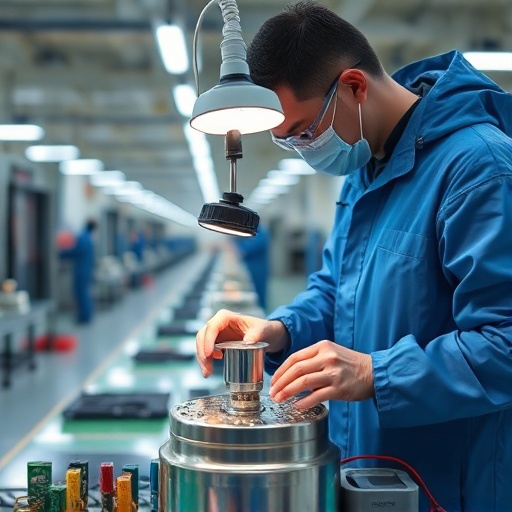
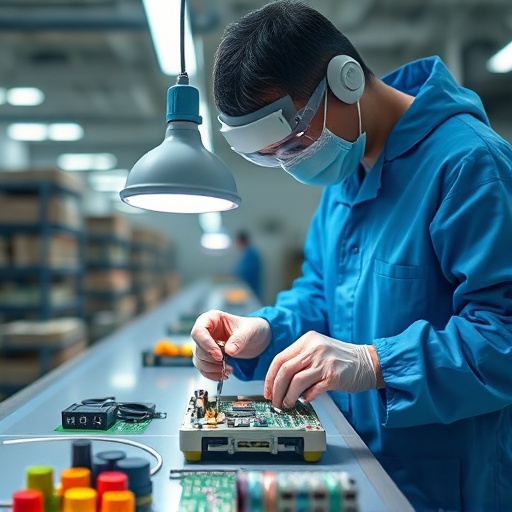
At DDPark, we operate differently. I’ve spent years watching our assembly lines, and I’ve learned that a “Zero-Defect” philosophy isn’t a slogan; it’s a physical state of the factory floor. You should be able to walk into a facility and hear the rhythm of consistent testing. If the floor is silent, they aren’t testing enough. If it’s chaotic, they are cutting corners.
Why Firmware is Your Greatest Liability
Most distributors obsess over the color of the plastic or the texture of the silicone. This is a rookie mistake. Your biggest risk is the code running the device. In 2023, we watched competitors get wiped out because their devices couldn’t handle basic router handshakes. Today, we insist on the ESP32 module. It provides the heavy-duty connectivity required for modern, smart-home integration.
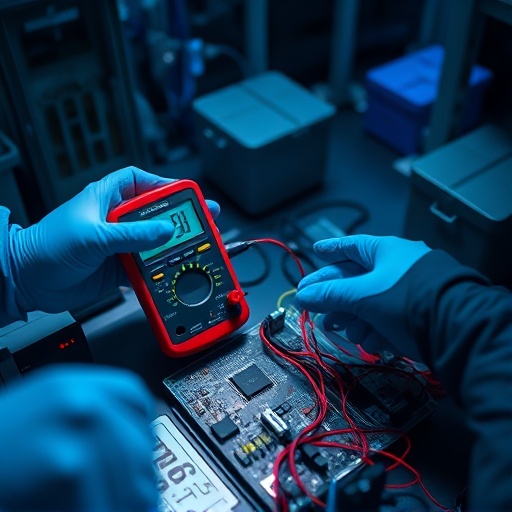
If your product lacks a “firmware rollback” architecture, you are one bad update away from a total brand collapse. When we stress-test prototypes at our Guangdong facility, we don’t just look for mechanical failures. We simulate massive network interference to ensure the toy doesn’t “brick” itself when the user’s Wi-Fi blinks. My contrarian take? I would rather sell a slightly uglier toy with flawless firmware than a sleek, beautiful device that disconnects every time the microwave turns on.
Engineering Beyond the Box
Let’s talk about the “jamming” nightmare that plagues smart feeders and interactive dispensers. I’ve seen expensive designs fail because the impeller gap was off by a millimeter. The root cause is rarely the motor; it’s usually a lack of understanding regarding the physics of pet food flow. We’ve seen performance jumps of 21%-38% simply by refining our infrared detection logic to account for different kibble sizes and moisture levels.
When you Explore DDPark Smart Pet Product Catalog, you’ll notice we don’t just sell hardware. We sell the R&D that prevents the “jamming” complaints that destroy your margins. If your manufacturer can’t explain their anti-jamming algorithm to you in plain English, walk away. They are selling you a ticking time bomb.
Navigating the Supply Chain
Finding a manufacturing partner is like choosing a business partner. You need someone who understands that your product must be FBA-ready the moment it hits the warehouse. The gap between a “bulk-buy” shop and a real tech manufacturer is massive. We export to over 50 countries, and we refuse to use non-compliant, low-grade materials. If your factory is using cheap, brittle ABS plastic, your product will crack during transit, and your return rate will skyrocket.
If you are serious about scaling, Request a Free OEM Quote from DDPark. Compare our technical specifications against what you’ve been offered elsewhere. You will quickly see that our commitment to BPA-free materials and rigorous PCB testing isn’t just about safety—it’s about protecting your brand’s reputation.
The Future of Smart Pet Retail
The market is maturing rapidly. Consumers now demand automatic meal scheduling, precise portion tracking, and intuitive APP integration. If your manufacturer can’t provide a stable, secure, and user-friendly software environment, your product will be obsolete before the first shipment arrives. Don’t let your distribution strategy fail because you chose a factory that treats the PCB board as an afterthought. For a deeper look at what true manufacturing excellence looks like, check out our DDPark 10+ Years Manufacturing Expertise.
Frequently Asked Questions
Q: What is the biggest mistake distributors make when private labeling smart toys?
A: They prioritize aesthetic packaging over firmware stability, leading to high return rates when IoT connectivity fails.
Q: Why is firmware stability more important than the physical shell of a pet toy?
A: The physical shell is a one-time purchase, but unstable firmware creates ongoing user frustration that permanently damages your brand reputation.
Q: How does DDPark handle MOQ for new distributors?
A: DDPark offers flexible MOQ structures specifically designed to help startups and distributors enter the market without excessive inventory risk.
Work with DDPark
Our commitment to excellence includes battery backup protection, custom logo and packaging, in-house R&D engineering, and food-grade BPA-free materials to ensure your brand stands out in the global market.
Ready to Start Your OEM Order?
Contact our B2B team today for pricing, MOQ, and custom branding options.