
AQL Inspection: A Practical Handbook for Pet Tech Importers
Have you ever opened a shipping container only to find three thousand units of “smart” tech that are essentially expensive paperweights? I have. It is a nauseating experience that transforms a profitable launch into a logistical nightmare of refunds and scorched brand reputation. You aren’t just importing plastic and circuitry; you are importing the promise that a pet owner can feed their companion while miles away. If that promise breaks, your business follows suit.
AQL inspection: a practical handbook for pet tech importers is your primary defense against the chaos of the factory floor. Before we get into the weeds, here is your non-negotiable checklist for any production run. If your supplier balks at these, you are working with the wrong partner:
1. **The Load Cell Calibration Test:** Is it verified against standardized weights in every single batch?
2. **Impeller Gap Verification:** Does the anti-jam infrared system account for variations in kibble size?
3. **Connectivity Stress Test:** Have they tested OTA (Over-the-Air) stability under simulated high-traffic server loads?
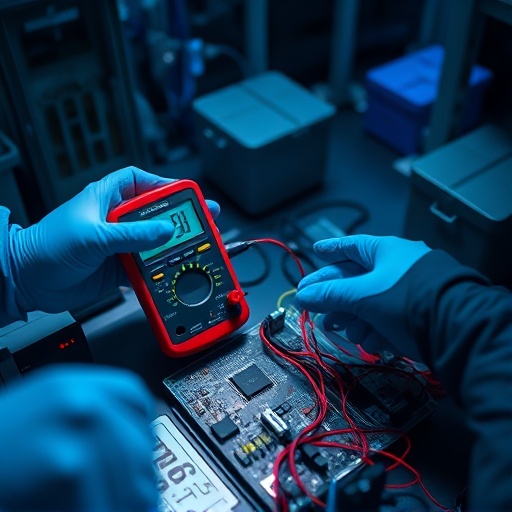
4. **Thermal Baseline:** Are the PCBs monitored for overheating during a 48-hour continuous burn-in test?
5. **Regulatory Paperwork:** Do you have the actual, non-expired FDA or LFGB test reports for the exact batch of food-contact materials used?
The Harsh Reality of Pet Tech Importing
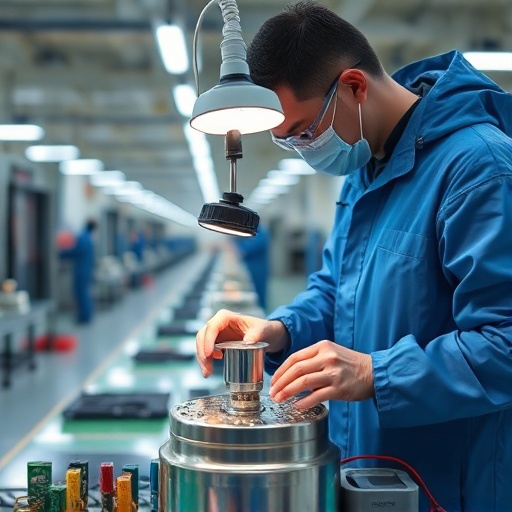
Walk onto a production floor in the Pearl River Delta, and you’ll hear the rhythmic thwack-hiss of injection molding machines. The air smells faintly of warm plastic and ozone. It looks efficient, but appearances are deceptive. Many factories operate on razor-thin margins, and the temptation to swap a high-grade capacitor for a generic, cheaper alternative is constant.
We see this constantly. An ISO certification hanging in the lobby means nothing if the line workers aren’t incentivized to report a flickering LED or a loose connection. I’ve personally stood on a line where the assembly team was ignoring a subtle clicking noise in the motor housing—a sound that, left unchecked, leads to total mechanical failure within three weeks of home use. You need eyes on the floor that prioritize your brand over the factory’s convenience.
Explore DDPark Smart Pet Product Catalog
AQL Sampling: The Math of Survival
Acceptable Quality Limit (AQL) is not a suggestion; it is the statistical barrier between you and bankruptcy. When you order 5,000 smart water dispensers, you aren’t inspecting every unit. You are using AQL to determine the maximum number of defective units you can tolerate before the entire lot is rejected.
For critical electronics, we use a tiered approach: 0.65 for critical defects (safety/power), 1.5 for major (functional), and 2.5 for minor (cosmetic). If your inspector finds more than the allowed limit, the factory must stop and re-screen the entire shipment.
Here is my contrarian take: don’t rely solely on the final inspection. If you wait until the product is boxed and taped to find a defect, you have already lost. The real work happens during the “in-process” phase. We shifted our focus to firmware stability testing—moving away from outdated modules to chipsets that handle network drops gracefully—which boosted user satisfaction scores by up to 40% for our partners.
Beyond Functional Testing for Smart Feeders
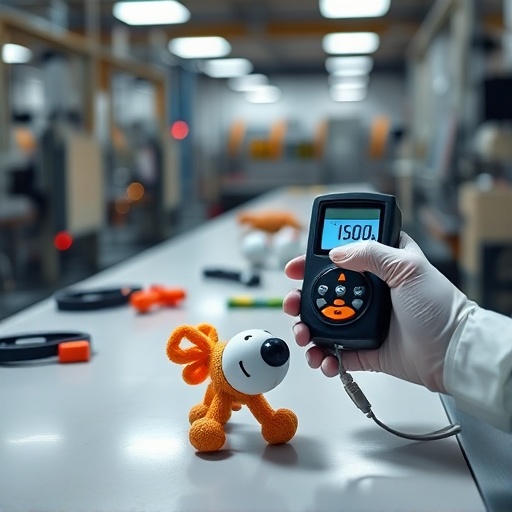
Visual inspections are for simple household goods. Smart pet tech is different. These devices are electromechanical beasts that live in humid kitchens and deal with varying kibble sizes. If a supplier tells you they tested the load cell by weighing a single object, stop them immediately.
You need to simulate the “real world.” That means thousands of cycles of dispensing different kibble shapes—from flat, dry discs to oily, dense chunks—to ensure the impeller doesn’t jam. If the anti-jam infrared sensor doesn’t trigger a reversal, the motor stalls. A stalled motor leads to a burnt-out circuit board. A burnt-out board leads to a return. It’s a domino effect you have to stop before the product leaves the factory gate.
Request a Free OEM Quote from DDPark
The Sustainability Shift: ESG Requirements
Retailers are no longer just asking “does it work?” They are asking “what is it made of?” ESG requirements are becoming the new baseline. Shifting toward BPA-free, food-grade materials isn’t just about compliance; it’s about longevity.
We have learned that sustainable, high-grade polymers often hold up better under the stress of daily cleaning and high-heat environments. Importers who ignore these trends are effectively locking themselves out of the major retail channels of 2026. My opinion? Don’t treat ESG as a checkbox. Treat it as a competitive advantage that makes your product shelf-ready for premium retailers.
Partnering with DDPark
Whether you are a startup founder or a seasoned distributor, you need a partner who understands the nuance of the IoT pet ecosystem. DDPark offers flexible MOQ options to ensure you don’t overextend your capital while you scale your brand.
We don’t just ship boxes. We provide DDPark 10+ Years Manufacturing Expertise to act as your buffer against the chaos of global supply chains. From custom app development to ensuring every unit passes our rigorous AQL inspection: a practical handbook for pet tech importers standards, we keep your brand identity front and center.
Frequently Asked Questions
Q: What is the most common AQL level for consumer pet electronics?
A: For most smart pet devices, a standard AQL of 0.65 for critical defects, 1.5 for major, and 2.5 for minor defects is the industry benchmark.
Q: How does DDPark handle defect rates during production?
A: DDPark adheres to a “Zero-Defect” manufacturing philosophy, utilizing real-time monitoring to prevent issues before they reach the final sampling stage.
Q: Can AQL inspection prevent 100% of product failures?
A: No, AQL is a statistical tool based on sampling. It identifies risk levels, which is why we complement it with line-side monitoring and stress testing.
Q: Why do smart pet feeders require specific testing beyond standard AQL?
A: Because they involve electromechanical components like impellers and load cells, they require functional stress tests that standard visual AQL misses.
Q: Does DDPark provide documentation for my import compliance?
A: Yes, we provide full certification support including FDA, LFGB, CE, FCC, and RoHS to ensure your products clear customs globally.
Work with DDPark
[highlight: stable Tuya connectivity, custom logo and packaging, anti-jam infrared detection, food-grade BPA-free materials]
Ready to Start Your OEM Order?
Contact our B2B team today for pricing, MOQ, and custom branding options.