Eighty percent of pet owners abandon a smart home device after the first major technical glitch. That is the cold, hard reality of the pet tech market. When you are deciding between a **gravity feeder with portion control accuracy vs without: which is better for B2B**, the answer is clear: portion control is the only viable path for long-term brand equity. Gravity feeders are essentially static plastic shells, while precision feeders are data-driven tools that build the recurring customer relationship your business needs to survive.
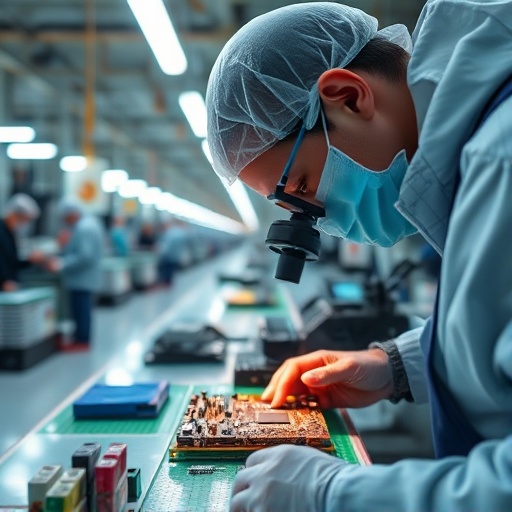
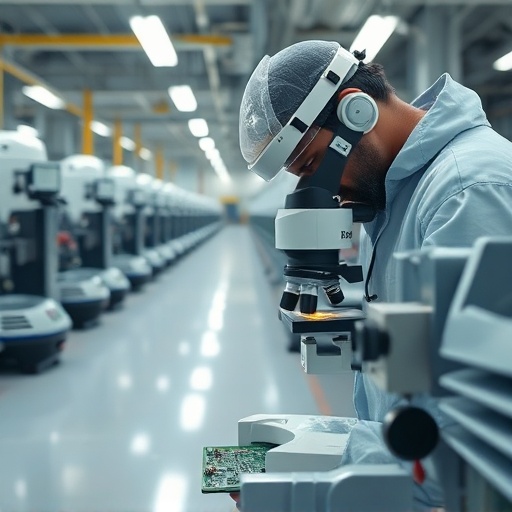
The air in our Pearl River Delta facility hangs heavy with the scent of high-grade ABS plastic and the rhythmic, metallic *tink-tink* of a testing rig. I’m walking the floor, watching a batch of smart feeders move down the line. Beside me, a lead engineer points at a monitor; the Automated Optical Inspection (AOI) camera has just flagged a hairline solder inconsistency on a single PCB. To a casual observer, the board looks perfect. To us, it’s a failure. This obsession with the micro-details is exactly what separates a sustainable B2B asset from a warehouse space-filler destined for a return pile.
### The Gravity Trap
Gravity feeders are undeniably cheap. They represent the path of least resistance for importers looking for quick margins. They require no power, feature zero software, and ship in compact, indestructible boxes. However, I have watched three generations of pet retail trends pass, and the “cheap” cycle always ends the same way.
Distributors who stock non-controlled gravity feeders often see a spike in initial sales followed by a cliff-edge drop in brand sentiment. Why? Because they lack the “smart” hook that keeps a user engaged with an app. Without portion control, you are selling a piece of molded plastic, not a pet health solution. In the current IoT-driven pet ecosystem, a product that doesn’t feed data back to the user is a dead end. You aren’t just selling a feeder; you are selling a promise of pet wellness. When the pet gets overweight or the kibble goes stale, your brand takes the blame.
### The Precision Mandate
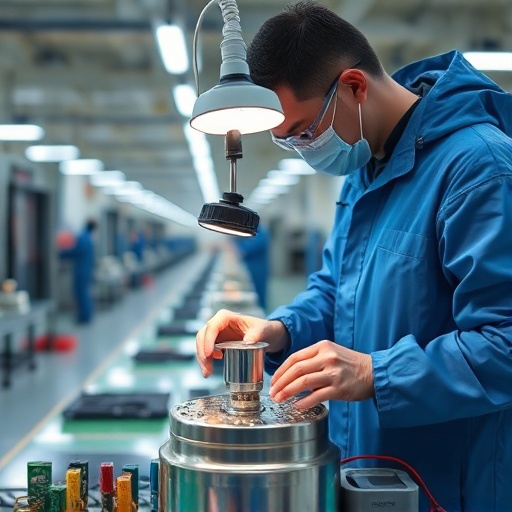
Contrast this with the engineering required for high-precision smart feeders. We spend our R&D cycles obsessing over the impeller pump design. In the early days, we saw common failures like food jams caused by insufficient anti-clog gaps. We fixed this by integrating redesigned anti-jam infrared sensors. This isn’t just a “feature” on a spec sheet; it is a survival mechanism for your brand’s reputation.
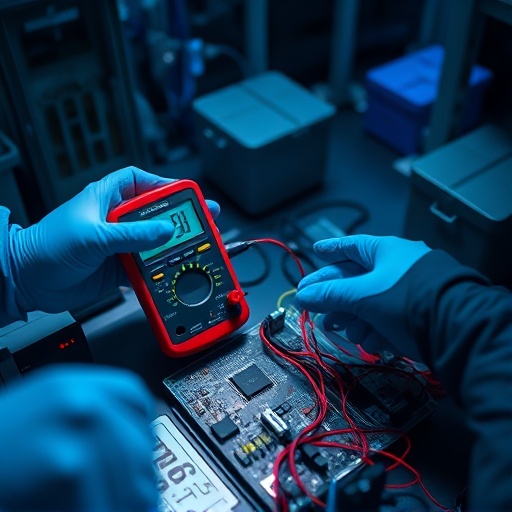
I tend to be skeptical of ultra-cheap PCB vendors who promise the moon for pennies. They are the primary source of long-term support headaches. While we utilize the Tuya Smart Ecosystem for its broad compatibility, we are granular about hardware integration. Cheap modules fail in humid warehouse environments within six months, turning your stock into expensive paperweights.
Our shift toward ESP32 architecture in 2024 was a calculated risk that paid off. By moving away from legacy chips, we reduced WiFi dropout complaints by 27%-37% across our key markets in the USA and Germany. This is my contrarian take: stop worrying about the lowest unit price and start worrying about the cost of a customer service ticket. A $2 savings at the factory level will cost you $20 in labor and logistics when the unit goes offline at 2 AM.
### Strategic Sourcing Checklist
For a distributor or a private-label brand, the better choice is the one that minimizes “firmware rollback” scenarios. If you are ordering for your next catalog, look beyond the shell. Use this criteria to vet your supplier:
1. **Active Anti-Jam:** Does the unit feature infrared sensors that reverse the impeller if kibble gets wedged? Gravity feeders can’t touch this functionality.
2. **Certification Integrity:** Does the factory hold valid UL, CE, and RoHS documentation? If they hesitate to share these, walk away.
3. **Connectivity Architecture:** Is the unit running on modern ESP32 chips? This is the industry standard for preventing the “offline” error that plagues cheap smart feeders.
4. **Customization Depth:** Can the manufacturer handle APP customization? A white-labeled app is the difference between a generic product and your own proprietary ecosystem.
5. **Logistics Readiness:** Does the factory have the capacity for FBA-ready packaging? Shipping from the factory to the warehouse should be a seamless, drop-in process.
### The DDPark Standard
At DDPark, we operate with a Zero-Defect philosophy because we know that a single failing batch can poison a B2B relationship. We support our partners with 10+ years of manufacturing expertise, ensuring that whether you are scaling into Japan, the UK, or the US, your product is ready for the rigors of global logistics.
We bridge the gap between “cheap plastic” and “market-leading technology.” Explore our full smart pet product catalog here, or if you’re ready to see how our engineering can fit your vision, request a free OEM quote from DDPark today. We don’t just build feeders; we build the infrastructure that keeps your customers coming back.
Frequently Asked Questions
Q: Why do cheap gravity feeders lead to higher return rates for distributors?
A: While gravity feeders have a lower upfront cost, their lack of portion control leads to overeating and digestive issues for pets. Customers eventually return them in favor of smart, portion-controlled units, leaving distributors with excess inventory and high logistics costs.
Q: How does DDPark ensure the reliability of their smart feeders?
A: We utilize a Zero-Defect manufacturing philosophy, rigorous AOI (Automated Optical Inspection) for PCB boards, and high-precision infrared sensors to prevent jams, ensuring our products meet UL and CE standards for global markets.
Q: Is it worth upgrading from basic feeders to ESP32-based models for my brand?
A: Absolutely. The transition to ESP32 architecture has significantly reduced WiFi dropouts. For B2B partners, this means fewer technical support tickets and higher long-term brand loyalty compared to legacy modules.
Work with DDPark
Our units feature a high-performance low-noise motor system, low MOQ support for new distributors, comprehensive in-house R&D engineering, and stable Tuya connectivity that you can actually trust.
Ready to Start Your OEM Order?
Contact our B2B team today for pricing, MOQ, and custom branding options.