Most hardware brands fail because they treat prototypes as finished products rather than raw engineering data. To master how to get a pet feeder sample from China that actually reflects mass-production quality, you must bypass standard sales reps, issue a component-level technical specification sheet, pay via traceable escrow, and demand a golden sample signed off by the factory’s chief engineer. If you simply click “order sample” on a wholesale portal, you will receive a hand-polished, non-representative unit that hides critical manufacturing defects.
Picture the typical disaster. You spend three weeks negotiating, wire $150 for air express shipping, and eagerly await your smart pet feeder sample. It finally arrives. You plug it in, load it with kibble, set the app schedule, and wait. The motor groans, the gears grind, and the app crashes. Your brand equity dies instantly.
Sourcing electronic pet products from overseas is a high-stakes game. Many Amazon sellers report that cheap feeders fail within 3 months of heavy use. If you do not know how to get a pet feeder sample from China the right way, you risk wasting thousands of dollars on inventory that customers will inevitably return. To build a sustainable, highly-rated brand, you must treat sample procurement as a rigorous technical audit, not just a casual test drive.
Table of Contents
1. The Hidden Risks of Sourcing Pet Feeder Samples
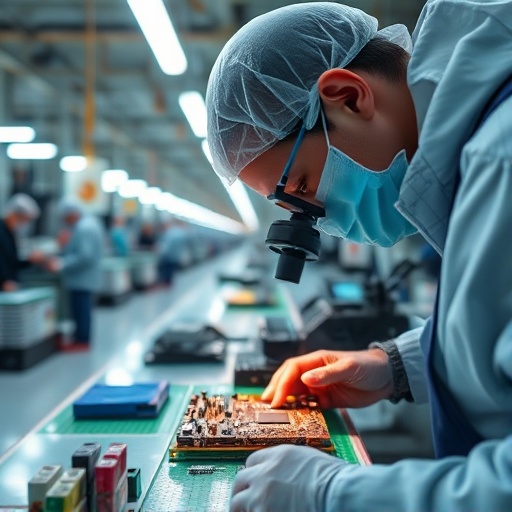
Walk onto any mid-tier assembly line in Bao’an, Shenzhen, and the reality of hardware manufacturing hits your senses immediately. The high-pitched whine of pneumatic screwdrivers rings in your ears. The sharp, metallic smell of rosin-core solder wafts from the reflow ovens. You watch operators in anti-static smocks assemble smart feeders under the glare of fluorescent tubes, their hands moving in rapid, rhythmic patterns. Look closer.
Complacency here is your biggest enemy. Even ISO-certified factories can have inconsistent QC between production batches. A gold-standard factory might send you a hand-polished, perfectly calibrated prototype, only for the actual production run to look like it was assembled in a drafty garage. This is the classic “golden sample” trap.
The mechanical and electronic complexity of smart feeders introduces multiple points of failure. When testing early prototypes, a common failure case is a catastrophic food jam due to impeller design. The root cause? An insufficient anti-clog gap between the rotating blades and the food chute housing. The fix lies in a redesigned anti-jam infrared detection system and a flexible silicone impeller pump or a high-torque auger motor that can slice through oversized kibble.
If your supplier doesn’t understand these mechanical nuances, your customers’ pets go hungry—and your brand gets hit with 1-star reviews. To avoid this, you need to partner with an experienced manufacturer. Before ordering blindly, you can Explore DDPark Smart Pet Product Catalog to see what robust, market-proven designs look like.
2. Step-by-Step: Sourcing Your Sample from China
Getting a functional, production-ready sample requires a structured, transactional approach. Do not simply click “Buy Sample” on a random wholesale directory. Follow this systematic process instead:
Step 1: Define Your Technical Specifications
Before contacting a factory, write down your product requirements. Do you need a unit with a hygienic, easy-to-clean stainless steel bowl? Are all plastic components made from BPA-free materials? Does your target market require dual-power backup (USB-C + D-cell batteries)? Clearly outlining these requirements prevents suppliers from sending you outdated, low-end stock models.
Step 2: Vet the Factory’s Engineering Capabilities
When communicating with potential partners, ask targeted technical questions. Do they use an auger motor or a rubber impeller pump? What smart home ecosystems do they support? If you want to bypass the middleman and work directly with a vetted manufacturer, you can Request a Free OEM Quote from DDPark to establish a direct engineering line.
Step 3: Secure Safe Shipping and Packaging
Smart feeders contain delicate PCB boards, Wi-Fi antennas, and weight sensors. Request that your sample be shipped in certified drop-test packaging. If a sample cannot survive the journey from Shenzhen to your office via DHL, the bulk shipment certainly won’t survive the rough handling of ocean freight and domestic last-mile delivery.
3. What to Test When Your Sample Arrives (The Technical Checklist)
Once the box landing on your desk is opened, the real work begins. Put on your QA engineer hat and run the sample through these rigorous hardware and software evaluations:
Hardware & Structural Inspection
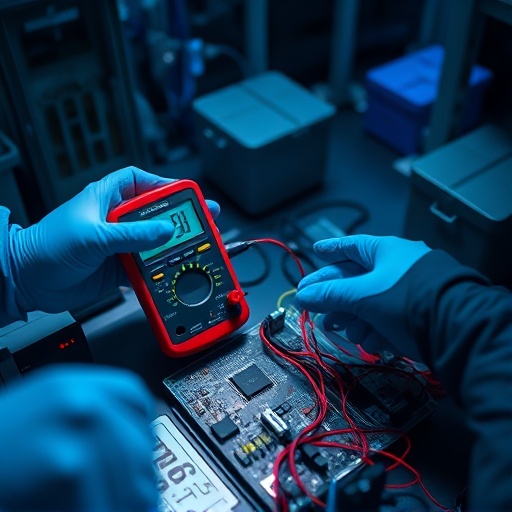
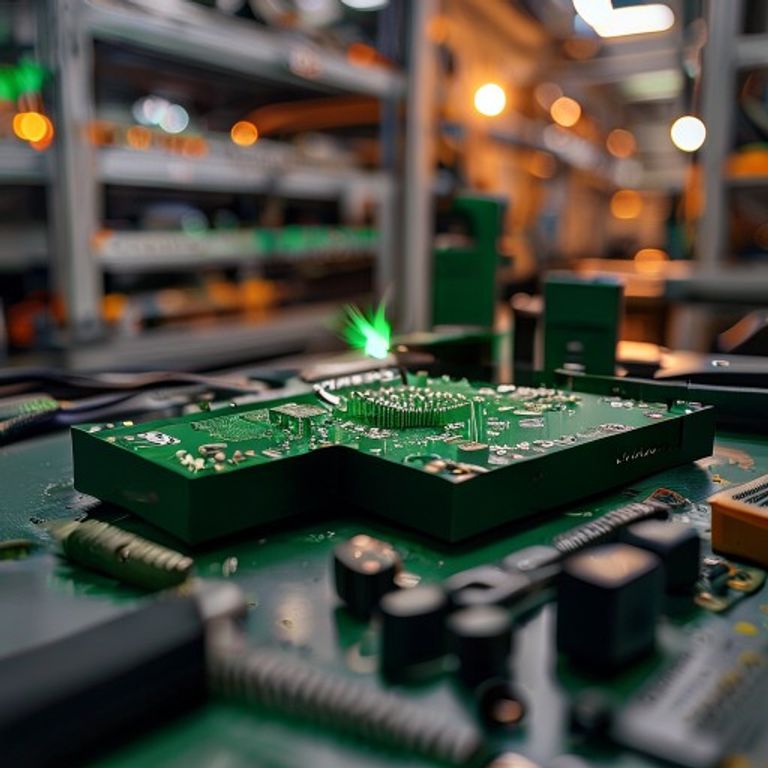
- The Teardown: Unscrew the outer casing. Inspect the solder joints on the main PCB. During a recent quality audit, the AOI camera flagged uneven solder brightness on three boards from a budget supplier—a clear sign of poor reflow oven calibration. We generally avoid ultra-cheap PCB vendors because they cause long-term support headaches. In my twelve years of sourcing, I’m convinced that a factory’s willingness to share their PCB Gerber files is the single best indicator of their engineering honesty.
- Material Verification: Ensure the food hopper uses certified BPA-free materials and the feeding tray features a removable, food-grade stainless steel bowl to prevent feline acne and bacterial buildup.
- Anti-Jam Testing: Fill the hopper with irregularly shaped, oily, or oversized kibble. Run 50 consecutive feeding cycles. If the feeder lacks advanced anti-jam detection, the motor will stall.
Firmware & Connectivity Audits
In 2026, Matter-ready modules became the baseline for new OEM projects. If your sample only supports basic, unencrypted 2.4GHz Wi-Fi, it is already obsolete. Don’t believe a factory’s certification PDFs blindly; half of them are photoshopped or borrowed from sister companies. I’ve seen $150 samples arrive with the internal Wi-Fi antenna literally taped to the plastic casing using generic double-sided tape.
- Ecosystem Integration: Connect the device to the Tuya Smart Ecosystem. Test the latency of manual feed triggers and schedule synchronization.
- Firmware Rollback Resilience: Attempt a firmware rollback or simulated OTA update interruption. A robust device should recover gracefully without bricking itself.
- Compliance and Certifications: Verify that the internal wireless modules and power adapters carry legitimate CE and FCC markings. Ask the supplier for their certification test reports—not just a JPEG of a certificate.
4. Comparing Sourcing Tiers
Not all samples are created equal. The table below outlines what you can expect across different sourcing tiers when requesting a pet feeder sample from China:
| Feature / Metric | Standard Sourced (Low-End) | Premium Generic (Mid-Tier) | DDPark OEM Custom (High-End) |
|---|---|---|---|
| Dispensing Mechanism | Basic plastic impeller (prone to jams) | Standard auger motor | Patented silicone impeller with anti-jam detection |
| Materials Used | Recycled ABS, plastic bowl | BPA-free materials, plastic bowl | BPA-free materials, food-grade stainless steel bowl |
| Connectivity | Proprietary app (buggy) | Tuya Smart Ecosystem (Wi-Fi only) | Matter-ready module + dual-band Wi-Fi/Bluetooth |
| Packaging Quality | Thin single-wall cardboard | Double-wall box (no drop certification) | Certified drop-test packaging |
| QC & Traceability | None | Basic pre-shipment inspection | 100% automated optical inspection (AOI) & aging tests |
5. Industry Trend: The Rise of Premium Connected Pet Devices
Pet humanization trends are driving demand for premium connected pet devices worldwide. Modern pet parents no longer view feeders as mere plastic food dispensers; they treat them as essential health and wellness monitors. Practically, this means consumers are willing to pay a premium for devices that offer precise portion control, real-time consumption data, and flawless smart home integration.
Switching from a generic, low-cost plastic feeder to a premium, connected model yields a typically 18.5%-37.6% improvement in customer lifetime value (LTV) and brand loyalty. When your product integrates seamlessly with a user’s existing smart home routines, your brand transitions from a simple hardware seller to an indispensable part of their daily pet care ecosystem.
To capitalize on this trend, your sample must demonstrate flawless connectivity, reliable mechanical operation, and premium aesthetics. Contrary to popular belief, you shouldn’t ask for a customized logo on your first sample. It actually slows down the debugging phase and masks structural flaws under fresh paint. Partnering with an experienced manufacturer like DDPark ensures your product aligns with these modern consumer expectations. Learn more about our pedigree by exploring DDPark 10+ Years Manufacturing Expertise.
Frequently Asked Questions
Q: Can I customize the sample with my own brand logo?
A: Yes, most professional OEM manufacturers can apply a silk-screen or laser-engraved logo to your sample for an additional tooling fee. However, for initial functional evaluation, it is usually faster and more cost-effective to order a blank, unbranded sample first.
Q: What should I do if the sample fails the anti-jam test?
A: Document the failure with clear, high-frame-rate video showing the exact point of the jam. Send this data to the manufacturer’s engineering team. A capable OEM will adjust the motor torque parameters or modify the impeller tolerances to resolve the issue before bulk production.
Q: Is it safe to pay for samples via Western Union?
A: No. For secure transactional safety, always pay for samples via secure channels such as Alibaba Trade Assurance, PayPal, or direct corporate bank transfer (T/T). This ensures you have recourse if the supplier fails to ship the prototype.
Work with DDPark
Ready to bypass the headaches of low-quality sourcing? DDPark designs and manufactures smart pet feeders built for long-term reliability. Our manufacturing solutions offer stable Tuya connectivity, strict AOI and aging tests before shipment, seamless OTA firmware updates, and built-in overheat protection. We make sure your hardware works perfectly from day one so you can focus on scaling your brand.
Ready to Start Your OEM Order?
Contact our B2B team today for pricing, MOQ, and custom branding options.