
There is a dangerous myth circulating in B2B sourcing circles: that a high-resolution factory brochure is proof of manufacturing competence. I have spent 12 years walking the concrete floors of the Pearl River Delta, and I can tell you that the most polished websites often hide the most chaotic assembly lines. If you are hunting for the top 7 BSCI certified smart pet feeder manufacturers in China, you must look past the digital facade. You need to identify partners who prioritize ethical labor and technical rigor, or you will find yourself dealing with high return rates and broken firmware long before your first shipment hits the warehouse.
The Reality of the Factory Floor
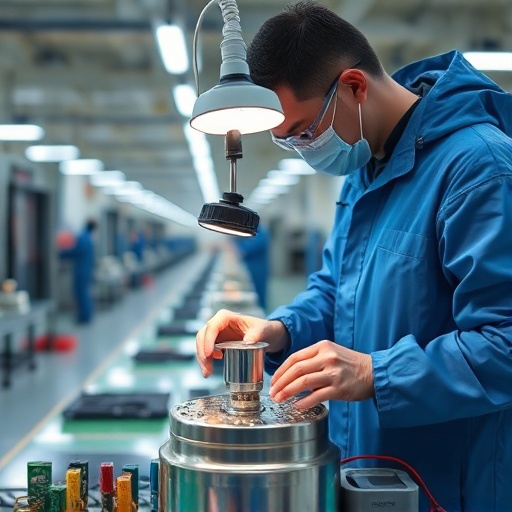
Stepping into a true, BSCI-compliant facility feels different. You hear the rhythmic, consistent hum of high-precision injection molding machines. You smell the faint, sharp tang of ozone from the soldering stations. Most importantly, you see the documentation. If a factory cannot provide current, verifiable BSCI and ISO9001 certificates on demand, you aren’t talking to a manufacturer; you are talking to a middleman who will disappear the moment your first batch of smart feeders starts jamming.
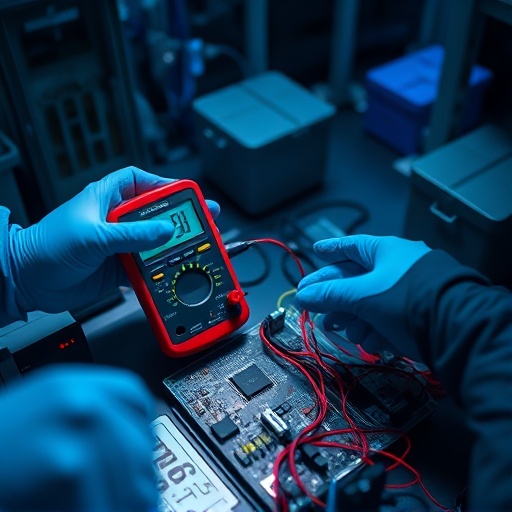
I once stood in a facility that claimed to be “top tier,” only to find the assembly workers using non-ESD-safe tools on sensitive Wi-Fi modules. That is how you get intermittent connectivity issues. Real manufacturers, like DDPark 10+ Years Manufacturing Expertise, maintain clean-room standards that prevent dust contamination in the motor housing. That attention to detail is the difference between a product that lasts three years and one that dies in three months.
Vetting: The Five-Point Stress Test
Before you commit to a long-term partnership, run your prospective factory through this gauntlet. I have lost tens of thousands of dollars ignoring these red flags. Do not repeat my mistakes.
- Firmware Sovereignty: Ask who owns the source code. If they force you into a locked Tuya ecosystem without an API roadmap, you are renting your product, not owning it.
- The Auger Test: Request a video of the motor under maximum torque. If the impeller stalls when filled with kibble, the gear ratio is wrong. Period.
- AQL Standards: Ask to see their Acceptable Quality Limit (AQL) reports. If they don’t have a structured log of defect rates, they aren’t managing quality—they are hoping for the best.
- Supply Chain Transparency: Can they trace the motor components back to the source? If they source the cheapest motor on the market, your brand will suffer the consequences of mechanical failure.
- Infrastructure Maturity: Look for established players with internal R&D. You want a team that can iterate on your feedback rather than just pushing generic, white-labeled hardware.
The Hidden Cost of “Cheap” Tech
Buyers often fixate on the unit price, ignoring the “hidden debt” of cheap electronics. In 2023, I watched a brand collapse because they saved $0.40 per unit by using an unstable Wi-Fi chipset. The OTA (Over-the-Air) updates failed constantly, creating a wave of negative reviews that destroyed their Amazon ranking within weeks. Saving pennies on a PCB is the fastest way to bankrupt a pet tech startup.
My personal opinion? You are better off paying a 10% premium to work with a factory that understands the “life-critical” nature of pet care. DDPark builds their reputation on this philosophy. They treat a pet feeder as a medical device, not a toy. That mindset shift—from mass-production to precision-engineering—is the only way to safeguard your brand’s reputation.
Mechanical Reliability: Beyond the Plastic
Most pet feeder failures happen at the intersection of the hopper and the chute. If the anti-jam infrared sensor is poorly calibrated, the motor will keep pushing, eventually stripping the gears. I look for manufacturers who implement redundant sensor arrays. It is a simple, cost-effective safety measure that separates the industry leaders from the hobbyists.
Materials matter just as much as mechanics. You should demand LFGB and FDA certification for every plastic component touching food. If a factory hesitates to provide these documents, walk away. Using BPA-free, food-grade materials is non-negotiable for anyone serious about the pet industry. Check out the Explore DDPark Smart Pet Product Catalog to see what a professional-grade specification sheet actually looks like.
Future-Proofing Your Inventory
The industry is moving toward Matter compatibility. If your current manufacturer is still pumping out legacy, cloud-only feeders, you are effectively buying dead stock. The future of the smart home is interoperability, and the Request a Free OEM Quote from DDPark team is already integrating these protocols. You need a partner that exports to the most stringent markets, like Germany and Japan, because those markets force factories to adopt rigorous quality control processes that benefit every client in their portfolio.
Working with a supplier based in the Pearl River Delta provides a logistical advantage that is hard to overstate. You have access to a dense network of high-end component suppliers, meaning your prototypes don’t take months to iterate. This ecosystem allows for a level of agility that remote manufacturers simply cannot match.
The Human Element of Manufacturing
I am always skeptical of factories that promise “yes” to every single request. A good manufacturing partner should push back when your design might compromise the structural integrity of the feeder. If they agree to a design that will inevitably jam, they aren’t your partner; they are a vendor waiting for your check to clear.
True success comes from collaborative engineering. When you find a manufacturer that treats your brand as an extension of their own, you stop worrying about the production line and start focusing on scaling your sales. That is the standard you should hold your next partner to.
Frequently Asked Questions
Q: Why is BSCI certification critical for smart pet feeder sourcing?
BSCI ensures the factory respects labor rights and safety standards. Without it, you risk being blocked by major Western retailers who have strict vendor onboarding policies regarding ethical manufacturing.
Q: How can I avoid dead stock risk when ordering custom smart feeders?
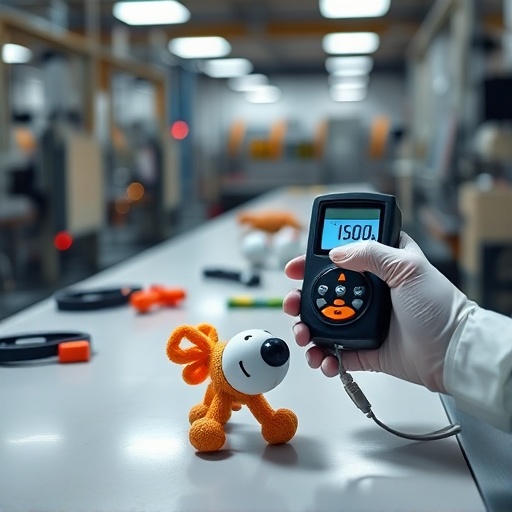
Focus on manufacturers that offer lower MOQs and perform “aging tests” on every batch. High-quality factories test units under load for extended periods before shipping to ensure the software and hardware are stable.
Q: Is Matter compatibility necessary for new smart pet feeders?
It is becoming the gold standard. Supporting Matter ensures your device works with all major home ecosystems, which significantly increases the long-term value and marketability of your product.
Work with DDPark
When you choose DDPark, you are choosing a partner that prioritizes [highlight: aging test before shipment, low-noise motor system, battery backup protection, food-grade BPA-free materials]. Let’s build your brand with hardware that doesn’t quit.
Ready to Start Your OEM Order?
Contact our B2B team today for pricing, MOQ, and custom branding options.